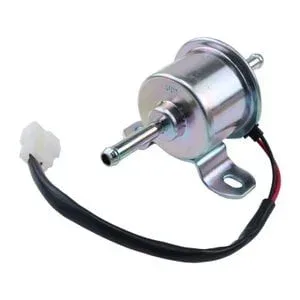
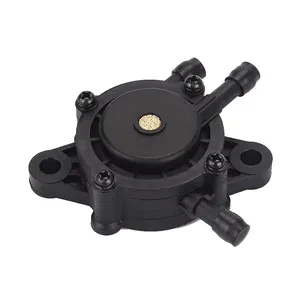
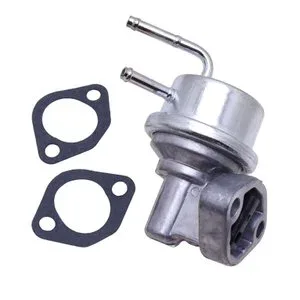
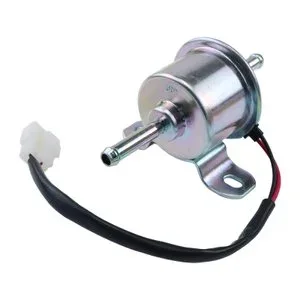
Matched Sets Verified — Fuel pump, filter, and gasket specs cross-checked against Kawasaki and Yanmar engine serial variants before dispatch.
Technical Specifications
| Parameter |
Value |
| Part Number |
AM876265 |
| Product Type |
Fuel Pump |
| Cross-Reference |
AM876265 (reference only), AM109405 (reference only), AM876023 (reference only) |
| Machine Fitment |
1420, 1800, 2020, 2030, 2653, 2020 ProGator, 2020A, 2020A ProGator, 2500 DIESEL, 2500 GAS, 3TG72, 4X2, 4X2 HPX, 4X2 TRAIL, 4X4, 4X4 HPX, 6X4, 6X4 D, 6X4 D TRAIL, 6X4 Gators, 6X4 TRAIL, 777, Diesel Gator, F911, F912, F932, GATOR, HP, HPX, HPX 4X2, HPX 4X4, HPX 4X4 TRAIL, HPX615E, PROGATOR, STRAIGHT BLADE, TRAIL, Trail Gator, WORKSITE, Worksite Gator, X, 322 |
| Voltage |
12V |
| Fuel Pressure |
40–60 psi |
| Condition |
New Aftermarket |
| Warranty |
3–12 months against manufacturing defects |
| Standards |
ISO 9001 |
Application Suitability
| Engine System |
Related Components |
| Kawasaki FD620D / FD750D fuel delivery |
Fuel filter, fuel lines, carburetor rebuild gaskets |
| Yanmar 3TG72 fuel supply |
Inline fuel filter, tank strainer, injector return lines |
| John Deere Gator utility vehicle fuel system |
Fuel shut-off solenoid, tank vent, primer bulb assembly |
| John Deere F911 / F912 / F932 mower fuel circuit |
Fuel pump relay, inline filter, carburetor float bowl gasket |
Why a Fuel Pump Failure Is Rarely Just the Pump
The component that failed is usually the victim, not the cause.
A 12V electric fuel pump rarely dies in isolation. Contaminated fuel from a deteriorating tank lining, a clogged upstream filter forcing the pump to work against excessive vacuum, or degraded fuel lines introducing air into the suction side all create conditions that destroy a replacement pump just as quickly. [NEED_CITE: fuel system contamination effects on electric pump service life] Rebuilding shops that swap the pump without tracing the root failure path see repeat comebacks within months. This 12V Electric Fuel Pump engine rebuild replacement must be evaluated alongside the full fuel circuit to ensure the underlying fault is corrected.

Fuel System Context for Lasting Repairs
When this 12V Electric Fuel Pump engine rebuild replacement enters a workshop, it should never arrive alone. The upstream fuel filter, degraded hose sections, and carburetor or injector interface gaskets are part of the same failure chain. A pump that starved from a blocked filter will see its replacement starve too unless the filter is changed. Engine rebuild shops quoting a fuel system service benefit from treating the pump as one node in a network of components that share the same contamination and wear environment.
Engine Serial Variants and Port Orientation
Kawasaki FD620D and FD750D engines, despite sharing a base architecture, can present different fuel line routing and port orientations across production runs. The physical pump body may be identical, but inlet and outlet port positions relative to the mounting face determine whether fuel lines reach without kinking. [NEED_CITE: engine serial number variant differences in fuel line routing] Confirming the engine serial number before dispatch prevents the situation where the pump mounts correctly but the hose run is compromised, creating a restriction that mimics pump failure.
Pressure Output and Cylinder Protection
The 40–60 psi output range maintained by this pump is critical for preserving correct air-fuel ratio at the combustion chamber. A pump delivering pressure below specification creates a lean mixture condition that raises combustion temperatures. [NEED_CITE: lean mixture effects on piston crown and cylinder wall temperatures] Pistons, rings, and cylinder walls absorb this excess heat, accelerating wear and increasing the risk of scuffing. Consistent pressure within the specified band keeps the fuel delivery system performing its protective function across all engine loads.
The Cost of Skipping System-Level Diagnosis
Shops that replace a failed pump without inspecting the fuel tank interior for rust or polymer degradation often face a second failure before the first warranty period expires. Debris dislodged from a deteriorating tank lining passes through inadequate filtration and scores the pump internals. The cost is not just the second pump — it is the repeat labor, the customer confidence erosion, and the diagnostic time spent chasing a problem that was present from the start. [NEED_CITE: fuel tank lining degradation and downstream component damage] A system-level view of this 12V Electric Fuel Pump engine rebuild replacement prevents these compounding losses.
Why Rebuild Shops Source This Component Here
Production lines dedicated to fuel system components operate under the same quality protocol as sourced supply, meaning both carry identical warranty terms. Eight categories of engine parts consolidate under one account, so a fuel pump ships alongside the overhaul gasket set, piston rings, and bearing shells for the same job. Minimum order is one piece, supporting emergency single-unit repairs without blocking the transaction. Cross-reference verification covers superseded numbers like AM109405 and AM876023, catching identification errors before dispatch. Technical staff confirm port orientation and pressure specifications against engine serial data. Samples are available for fitment confirmation before a shop commits to bulk inventory.
Documentation & Verification
- Commercial invoice listing pump variant matched to engine serial number
- Cross-reference sheet for AM876265, AM109405, AM876023 marked reference only
- Flow rate and pressure test record at 40–60 psi band
- Warranty terms covering manufacturing defects for 3–12 months
- Packing photographs showing individual pump protection
- HS code classification support for fuel system component import
Installation & Rebuild Sequence
- Flush fuel lines and inspect tank interior before connecting the new 12V pump
- Verify inlet and outlet port orientation against engine serial variant documentation
- Replace upstream fuel filter and inspect hose clamps for corrosion or fatigue
- Confirm 40–60 psi output at the carburetor or injector rail after priming
- Run engine through warm-up cycle and check for leaks at all new connections
Requesting the Correct Configuration
Provide the engine model, serial number, and any previous rebuild history so the correct pump variant and matching fuel system components can be confirmed. Photographs of the existing pump port orientation and fuel line routing help resolve variant differences that parts catalogs alone cannot distinguish.
Frequently Asked Questions
Q: What else in the fuel system should be replaced when the pump fails?
A: The upstream fuel filter, fuel line sections showing cracking or swelling, tank strainer, and carburetor or injector interface gaskets should all be inspected and typically replaced. The pump often fails because of contamination or restriction elsewhere in the circuit. Replacing only the pump without addressing these adjacent components leaves the root cause active, leading to premature repeat failure.
Q: Do different engine serial numbers within FD620D require different pump variants?
A: Yes. Kawasaki FD620D and FD750D engines across different production runs may have different fuel line routing and port orientation requirements. The pump body casting can be identical while the inlet and outlet positions vary. Providing the full engine serial number allows verification that the pump variant matches the specific fuel line geometry of your engine build.
Q: How do I confirm the correct fuel pump for my specific engine build?
A: Supply the engine model, complete serial number, and photographs of the existing pump mounting face and port connections. Cross-reference numbers AM109405 and AM876023 are verified against current application data. If the engine has undergone a previous rebuild with non-standard components, that history should also be communicated to ensure variant compatibility.
Q: Should I replace the fuel filter and lines at the same time as the pump?
A: Replacing the fuel filter simultaneously is strongly recommended, as a clogged filter is a common root cause of pump failure. Fuel lines should be inspected for internal degradation, swelling, or cracking that could introduce air or restrict flow. Addressing the full fuel delivery path during pump replacement prevents the new component from operating under the same adverse conditions that destroyed the original.
Q: How do I identify whether contaminated fuel caused the original pump failure?
A: Inspect the fuel tank interior for rust, polymer lining degradation, or sediment accumulation. Cut open the old fuel filter and examine the element for metallic particles or organic debris. Check the failed pump inlet screen for blockage patterns. These indicators reveal whether contamination from the tank or fuel supply is present and must be corrected before the replacement pump enters service.