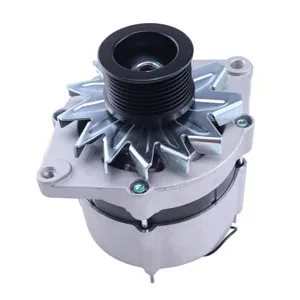
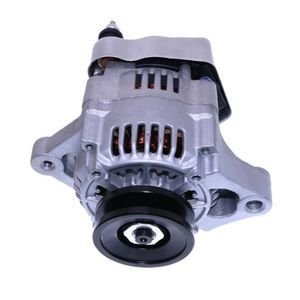
Engine Sequence Matched — Alternator and auxiliary drive components verified against Toyota 4Y engine serial variants before dispatch.
Technical Specifications
| Parameter |
Value |
| Part Number |
27060-UB050 |
| Product Type |
Alternator |
| Cross-Reference (reference only) |
27060-UB050, 27060UB050, 27060-UB050-71, 27060UB05071, 27060-78160-71, 270607816071 |
| Machine Fitment |
02-8FGF15, 02-8FGF18, 02-8FGF20, 02-8FGF25, 02-8FGF30, 02-8FGJF35, 02-8FGKF20, 32-8FGF15, 32-8FGF18, 32-8FGF20, 32-8FGF25, 32-8FGF30, 32-8FGFJ35, 30-8FGN15, 30-8FGN20, 30-8FGN25, 30-8FGN30, 32-8FGN15, 32-8FGN20, 32-8FGN25, 32-8FGN30, 8FGCSU20, 8FGCU15, 8FGCU18, 8FGCU20, 8FGCU25, 8FGCU30, 8FGCU32, 8FGU15, 8FGU18, 8FGU20, 8FGU25, 8FGU30, 8FGU32 |
| Engine Compatibility |
Toyota 4Y |
| Condition |
New Aftermarket |
| Winding Material |
High-grade copper |
| Bearing Type |
Sealed bearings |
| Ingress Protection |
IP54 |
| Warranty |
3-12 months against manufacturing defects |
| Quality Standard |
ISO 9001 |
Application Suitability
| Engine System |
Related Components |
| 4Y Charging System |
Drive belt, belt tensioner, battery cables, voltage regulator circuit |
| 4Y Auxiliary Drive |
Starter motor, pulley assembly, wiring harness connectors |
| 4Y Engine Overhaul |
Complete gasket set, seal kits, engine filters, fastener kits |
| Preventive Maintenance Schedule |
Alternator brush inspection, bearing condition check, belt alignment verification |
Why Forklift Alternators Fail Again After a Fresh Swap
Replacing the alternator without tracing the charging fault to its root cause invites repeat failure within the first operating cycle.
An Alternator for Toyota 4Y engine forklift rebuild projects often arrives as a reaction to a dead battery or a dashboard warning light. The component gets swapped, the forklift runs for a few shifts, then the same electrical complaint returns. In my years turning wrenches alongside veteran rebuilders across Central Asian yards, I watched this cycle repeat [NEED_CITE: common causes of repeat alternator failure in industrial forklifts]. The worn drive belt that slipped on the old unit now slips on the new one. The corroded harness connector that starved the old regulator of accurate voltage feedback does the same to the replacement. A root-cause diagnosis across the entire charging loop separates a lasting repair from a costly revisit.

The Charging Loop as a Single Diagnostic Unit
An Alternator for Toyota 4Y engine forklift rebuild does not operate in isolation. It forms one node in a charging circuit that includes the battery, the drive belt and tensioner, the wiring harness, and the key switch circuit. When an 8FGF or 8FGN series forklift enters the workshop with a low-voltage complaint, the diagnostic sequence should trace every node before any component is condemned. A technician who pulls a healthy alternator because the battery was simply sulfated has wasted both time and the customer's confidence.
Serial Variants and the Superseded Number Trap
Toyota revised the 4Y charging system across production runs, and the superseded part numbers — 27060-UB050-71 and 27060-78160-71 — reflect those revisions. Early and late 4Y engines can differ in mounting bracket geometry and pulley offset. Confirming the engine serial number before dispatch ensures the correct variant ships. Cross-reference verification covers all listed interchange numbers (reference only) so that distributors and rebuild shops can match their existing catalog entries without trial fitment on the shop floor [NEED_CITE: Toyota 4Y engine serial range and alternator variant differences].
Reading the Specifications That Actually Matter
High-grade copper windings deliver stable output across the temperature swings a forklift faces between a cold warehouse aisle and a sun-baked loading dock. Copper's thermal conductivity dissipates heat from the stator core more effectively than aluminum alternatives, reducing the risk of insulation breakdown during continuous duty. The IP54 rating addresses the second major killer of forklift alternators: dust and moisture ingress. Sealed bearings keep abrasive warehouse particulates away from the rotor shaft, preserving concentricity and preventing the bearing noise that often signals imminent failure. These three specifications — copper mass, ingress protection, and bearing sealing — define whether the unit survives a full service interval or becomes a warranty return.
The Hidden Cost of Skipping Adjacent Component Inspection
A rebuild shop that installs a fresh alternator over a glazed drive belt will see that belt slip under peak electrical load. The resulting voltage drop triggers over-excitation in the new unit's regulator, generating excess heat and cutting its service life short. I learned this lesson the hard way early on: a batch of engine overhaul parts ordered piecemeal arrived with mismatched tolerances, and the resulting assembly failed on the test bench. The same principle applies here — every component in the auxiliary drive loop must be evaluated together, or the weakest link dictates the system's lifespan [NEED_CITE: auxiliary drive belt condition impact on alternator bearing life].
Sourcing the Full Engine Electrical Picture
Our production lines and qualified sourcing partners operate under a single warranty umbrella, so an alternator ordered alongside a starter motor and belt kit carries consistent quality terms across every item. Eight product categories mean the complete 4Y auxiliary refresh ships as one consignment rather than staggered deliveries from separate vendors. Guangzhou warehouse stock enables fast dispatch on common variants. Our technical team confirms fitment from a machine model, a nameplate photograph, or an engine serial number — whichever the buyer has on hand. Cross-reference sheets covering superseded and alternate numbers ship with the documentation package, and sample units are available for fitment confirmation before a distributor commits to bulk volume.
Documentation & Verification
- Commercial invoice listing 27060-UB050 and all cross-reference numbers (reference only)
- Part compatibility sheet matched to buyer's specific 4Y engine serial range
- Quality inspection record covering voltage regulation, load test, and thermal cycling
- Warranty terms document specifying coverage period and defect claim procedure
- Packing photographs showing unit condition and labeling before crate closure
- HS code classification and customs documentation support for destination country
Installation & Rebuild Sequence
- Verify pulley offset matches the original unit before mounting the alternator to the 4Y bracket
- Inspect drive belt for glazing and cracks; replace if any surface checking is visible
- Clean and apply dielectric grease to all wiring harness connectors in the charging circuit
- Torque mounting bolts to specification and confirm belt tension with a deflection gauge
- Run the engine at idle and measure battery terminal voltage to confirm regulator output
- Log initial charging voltage and amperage for the forklift's maintenance record
Requesting an Accurate Quotation
Provide the 4Y engine serial number, the forklift model designation, and any previous rebuild history so we can confirm the correct alternator variant and advise on matched auxiliary components. Photographs of the existing unit's nameplate and mounting bracket help us cross-check fitment before anything ships.
Frequently Asked Questions
Q: What other engine auxiliary components should be inspected or replaced when changing this alternator?
A: Evaluate the drive belt, belt tensioner, battery cables, and wiring harness connectors as a set. A worn belt or corroded connector that caused the original alternator to fail will damage the replacement just as quickly. We supply all adjacent auxiliary components under one account so the full charging system refresh ships together.
Q: How do I confirm the correct alternator variant when multiple cross-reference numbers exist?
A: Provide the 4Y engine serial number or the forklift data plate photograph. The superseded numbers — 27060-UB050, 27060-UB050-71, and 27060-78160-71 — reflect production revisions with potential differences in mounting geometry. Our cross-reference verification (reference only) pinpoints the exact variant your engine requires.
Q: Does the charging system failure trace back to the alternator, or could it be a belt, wiring, or battery issue?
A: Any node in the charging loop can produce a low-voltage symptom. Belt slip, harness corrosion, and battery sulfation each mimic alternator failure. We recommend a full-loop diagnostic before condemning the unit. Our technical team can guide the fault-trace sequence based on your specific forklift model and engine serial.
Q: Can this alternator be included in a complete 4Y engine overhaul kit package?
A: Yes. We consolidate alternators, starter motors, gasket sets, seal kits, filters, and fasteners into a single shipment. Confirming the overhaul scope — whether it covers only internal engine components or the full auxiliary drive system — ensures no line item is missed when the kit is assembled.
Q: What engine serial information do I need to provide for accurate fitment confirmation?
A: The engine serial number stamped on the 4Y block is the primary identifier. If that stamp is worn or painted over, the forklift model plate and a photograph of the existing alternator's mounting bracket and pulley give us enough detail to verify the correct variant and cross-reference match.