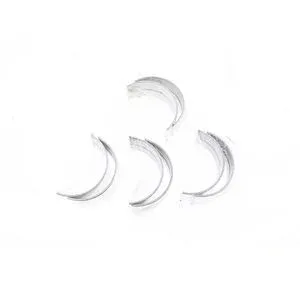
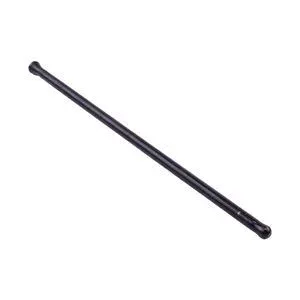
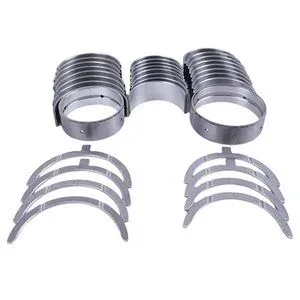
Matched Oversize Grades — Bearing shells and rod bore verified against crankshaft journal condition before dispatch, ensuring correct fitment for Kubota D1301/D1402 rebuilds.
Technical Specifications
| Parameter |
Value |
| Part Number |
15471-22012 15471-22013 |
| Product Type |
Connecting Rod |
| Cross-Reference |
15471-22010, 15471-22012, 15471-22013, 15741-22012, 15201-22010 (reference only) |
| Machine Fitment |
Kubota Tractor L1500, L2550, L2350DT, L2350F, L175, L245-IIDT, L245-IIF, L295DT, L295F, L405, L405DT, M4950, M4950DT, M4950DT-S, M4950-S; Kubota Excavator KH-101, KH-151, KH-191, KH-28, KH-60, KH-66, KH-70(H), KH-90, KH-91/H, KX101, KX151; Kubota Generator GV1120-B-50-AUS, GV1160-B-50-AUS, GV3100-B-50-AUS, GV3150-B-50-AUS, GV3200-B-50-AUS, GV3120-60-B, GV-3170(SW), GV-3190Q-60, GV-3240, GV-3240SW; Kubota Loader R400(B), R410, R410B, RW25, RW30; Bobcat 225, 643 |
| Compatible Engine Models |
Kubota D1301, D1302 DI, D1402, D1402-BBS |
| Material |
High-strength alloy steel |
| Assembly State |
Individual connecting rod (verify rod bolt and bearing shell requirements separately) |
| Condition |
New Aftermarket |
| Warranty |
3-12 months against manufacturing defects |
| MOQ |
1 piece |
| Manufacturing Standard |
ISO 9001 certified facility |
Application Suitability
| Engine System |
Related Components |
| Crankshaft-Piston Assembly |
Matched piston and ring sets, piston pin bushings |
| Lower End Rebuild |
Main bearings, thrust washers, crankshaft seal kit |
| Lubrication Circuit |
Oil pump, oil filter, gallery plugs |
| Cylinder Block Interface |
Head gasket, block deck surface, cylinder liner (if applicable) |
Why the Wrong Grade Turns a Rebuild Into a Repeat Teardown
Ordering a connecting rod without first measuring the crankshaft journal or checking previous oversize history guarantees a clearance mismatch.
I have seen engine rebuilds in the Pearl River Delta workshops stall for days because the crankshaft was ground to an oversize, but the supplier shipped standard-grade bearing shells with the new rods. The engine turns over on the bench, seizes within the first hour of operation, and the block sits open while everyone waits on the correct grade [NEED_CITE: crankshaft journal oversize grading standards for small diesel engines]. The failed Kubota Connecting Rod engine rebuild parts often trace back to this single oversight: the journal was already cut during a prior service, and nobody checked.
Systemic Position Within the D1301 and D1402 Bottom End
This connecting rod operates within the crankshaft-piston assembly of Kubota D1301 and D1402 engines, where the big-end bore must align precisely with the crankpin journal, and the small-end bushing must match the piston pin diameter. A Kubota Connecting Rod engine rebuild parts order is incomplete without specifying the bearing shell grade and confirming the piston-to-rod clearance.
Bore Diameter, Weight Balance, and the Rebuild History That Changes Everything
The big-end bore on this alloy steel rod must sit within a tight tolerance band so the selected bearing shell produces the correct oil film thickness on the crankpin. If the crankshaft has been ground to a 0.25 or 0.50 oversize during a previous rebuild, the matching oversize shells are mandatory — standard shells will leave excessive clearance, causing knock and eventual shell spin [NEED_CITE: connecting rod bearing clearance specifications for industrial diesel engines]. Weight balance across all rods in a multi-cylinder assembly prevents harmonic vibration at operating RPM; replacing a single rod after an isolated failure requires weighing it against the remaining set.

Dimensional Misalignment and the Failures It Causes
Shipping a standard-bore rod into an engine with a previously ground crankshaft forces the builder to either source correct oversize shells under time pressure or run the engine with wrong clearances. Both paths end the same way: bearing shell collapse, rod knock, and a scored crankpin that now demands another machining pass. The root cause of the original rod failure — whether oil starvation from a clogged gallery, over-rev from governor malfunction, or bearing fatigue — must be diagnosed before the replacement goes in, otherwise the new Kubota Connecting Rod engine rebuild parts will fail from the same systemic fault [NEED_CITE: root cause analysis for connecting rod bearing failures in compact diesel engines].
What We Verify Before This Rod Leaves Guangzhou
Our facility produces selected part lines directly and sources the remainder from ISO-certified partners, with both streams carrying identical QC and warranty terms. Each connecting rod undergoes bore diameter measurement, weight check, and surface finish inspection before packing. Cross-reference verification covers superseded numbers such as 15471-22010 and 15741-22012 (for identification purposes), so the correct variant ships even when the old nameplate is illegible. We supply from one piece for emergency single-rod replacement up to matched sets for full overhauls. Our technical team confirms engine serial variants and bearing grade requirements against your crankshaft measurement before dispatch. Sample units are available for fitment confirmation prior to bulk commitment.
Documentation & Verification
- Commercial invoice listing part number 15471-22012 / 15471-22013 with HS code for customs clearance
- Cross-reference sheet mapping 15471-22010 and 15741-22012 variants (reference only) to your engine serial
- Dimensional inspection record covering big-end bore, small-end bushing diameter, and rod weight
- Warranty terms covering manufacturing defects for 3-12 months from delivery
- Packing photographs showing rod protection and crate condition before dispatch
Installation & Rebuild Sequence
- Measure crankshaft crankpin journal with micrometer before selecting standard or oversize bearing shells for this rod
- Verify piston pin bore diameter and install new bushing if wear exceeds service limit
- Torque rod cap bolts to Kubota D1301/D1402 specification in the correct two-step sequence; replace bolts if stretch is evident
- Check rod side clearance with feeler gauge after assembly to confirm no binding against adjacent rods or crankshaft web
- Prime lubrication system and verify oil pressure at idle before applying load during initial break-in run
Rebuild Quotation Support
Send your engine model, serial number, and any crankshaft machining history so we can confirm the correct connecting rod variant, matching bearing shell grade, and associated overhaul kit components in a single quotation.
Frequently Asked Questions
Q: What oversize grade do I need after crankshaft grinding?
A: The grade depends on how much material was removed during machining. Measure the crankpin journal with a micrometer and compare against the Kubota D1301/D1402 service manual table. Common oversizes are 0.25 mm and 0.50 mm. We supply bearing shells in matching grades once you provide the measurement, so the connecting rod bore and shell thickness align correctly.
Q: Should I replace all rods or only the failed one?
A: For a single-rod failure with no crankshaft damage, replacing the affected rod is acceptable provided the new rod is weight-matched to the remaining set. If the crankshaft shows scoring or the failure caused debris contamination, a full matched set is recommended. We supply individual rods and complete sets with weight balance records for either scenario.
Q: Does the rebuild kit include rod bolts and bearing shells?
A: Standard overhaul kits vary by supplier. Our connecting rod ships as an individual component; rod bolts and bearing shells are specified separately based on your crankshaft journal condition and engine serial variant. We consolidate all items into one shipment when you provide the machining measurements, avoiding the common situation where the block sits open waiting on missing items.
Q: How do I identify my Kubota engine serial variant?
A: The engine serial number is stamped on the block, typically near the injection pump mounting face. Internal components — including connecting rod small-end bushing diameter and piston pin size — can differ between production runs of the same model designation. Provide the full serial number so we cross-reference the correct variant before shipping.
Q: What caused the original connecting rod to fail?
A: Common root causes include oil starvation from a blocked gallery or failed pump, bearing shell fatigue from extended service intervals, over-rev events from governor malfunction, or incorrect clearance from a prior rebuild. Identifying the cause prevents repeat failure after replacement. We recommend inspecting the oil pump, gallery passages, and crankshaft condition before installing the new rod.