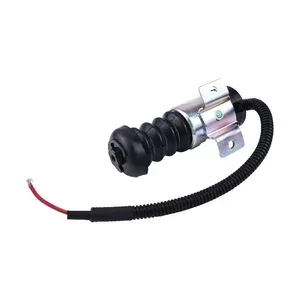
Engine Serial Variants Confirmed — every P610-B1V12 solenoid ships only after cross-checking the target engine build sheet against coil voltage and rack travel requirements.
Technical Specifications
| Parameter |
Value |
| Part Number |
P610-B1V12 |
| Product Type |
Stop Solenoid |
| Cross-Reference |
P610-B1V12 (reference only), P610B1V12 (reference only) |
| Machine Fitment |
Excavators, Loaders, Bulldozers, Tractors, Harvesters |
| Voltage |
12V |
| Solenoid Type |
Pull Solenoid with Springs |
| Condition |
New Aftermarket |
| Warranty |
3-12 months against manufacturing defects |
| Quality Standard |
ISO 9001 |
Application Suitability
| Engine System |
Related Components |
| Fuel Delivery Control |
Fuel filters, primer pumps, injection lines |
| Electrical Shutdown Circuit |
Relays, wiring harness connectors, ignition switches |
| Engine Overhaul Auxiliary |
Gasket sets, seal kits, overhaul hardware |
| Preventive Maintenance Program |
Wear-prone electrical components, scheduled replacement items |
Why Replacing the Solenoid Alone Rarely Fixes the Root Fault
A fuel shut off solenoid engine rebuild must address the upstream electrical and fuel control circuit, not just the failed component.
When a machine will not shut down cleanly or refuses to start, the immediate instinct is to swap the solenoid. I have seen rebuild shops replace this part multiple times within a single season because the wiring short or relay fault that killed the first unit was never diagnosed. The pull-type solenoid with integrated return springs depends on consistent voltage delivery and a clean signal path. Tracing the full circuit before fitting a new unit prevents the same failure from repeating. [NEED_CITE: electrical diagnostic procedures for heavy equipment fuel shutdown circuits]

The Fuel Shut Off Solenoid Engine Rebuild Within the Auxiliary System
This stop solenoid sits at the intersection of the engine fuel control system and the electrical shutdown circuit. During an engine rebuild, the auxiliary fuel shutoff components are often overlooked while attention focuses on internal hard parts. A fuel shut off solenoid engine rebuild that includes verifying spring force, plunger travel, and connector integrity alongside the main overhaul reduces the chance of post-rebuild startup issues. The solenoid must engage and release the fuel rack reliably across the full temperature range the engine will encounter in service.
Matching Voltage and Spring Force to Engine Variants
The 12V coil specification must match the machine electrical system precisely. Some engine variants within the same model family use a 24V system with a relay step-down, and fitting a 12V solenoid into a 24V circuit will destroy the coil within hours. The pull-type design with integrated return springs must also match the fuel rack mechanism force requirements. An engine that has been rebuilt previously may have altered rack tension, meaning the spring force that worked on the original build may no longer provide positive shutoff. [NEED_CITE: engine electrical system voltage variants across heavy equipment model generations]
Pull Solenoid Engineering for Fuel Cutoff Reliability
The 12V pull solenoid configuration generates the electromagnetic force needed to retract the plunger against spring pressure, opening or closing the fuel passage depending on the engine design. The integrated return springs ensure the plunger returns to its default position when power is removed, which is the fail-safe condition for most diesel fuel systems. Plunger and housing precision directly affect how consistently the solenoid achieves full engagement. Partial engagement causes rough shutdowns or incomplete fuel cutoff, which manifests as engine run-on or hesitation during startup. Weather-sealed connections prevent moisture ingress that leads to connector corrosion and intermittent solenoid failure in high-humidity operating environments.
The Hidden Cost of Skipping Circuit Diagnostics
Fitting a new stop solenoid without verifying the wiring harness, relay, and controller means any upstream fault will destroy the replacement unit on the same timeline as the original failure. Rebuild shops that treat the solenoid as a standalone replacement rather than a system component end up absorbing repeat warranty claims. The cost is not just the second solenoid but the labor to pull it out again, the machine downtime that extends further, and the erosion of customer confidence. Checking relay contacts, measuring voltage drop across the circuit, and confirming controller signal logic before installation separates a permanent repair from a temporary one. [NEED_CITE: repeat failure patterns in heavy equipment electrical fuel control systems]
Sourcing Engine Auxiliary Components With Verified Compatibility
XUNPO produces selected part lines in its own facility and sources the remainder from qualified ISO 9001-certified manufacturing partners, so both self-produced and sourced supply carry identical QC and warranty terms. Eight core categories mean a fuel shut off solenoid engine rebuild order can include gasket sets, seal kits, fuel filters, and electrical connectors under one account and one warranty. Minimum order from one piece allows single-unit emergency replacements without forced overstocking. Part identification works from a part number, machine model, photograph, or nameplate image, which matters when the original solenoid label is burned or painted over. Cross-reference verification covers superseded and alternate numbers to catch parts that appear compatible but differ in mounting or voltage. A technical team confirms compatibility and grade before shipment, reducing the fitment guesswork.
Documentation & Verification
- Commercial invoice and packing list referencing P610-B1V12 and engine compatibility
- Part compatibility and cross-reference sheet marked reference only for OEM numbers
- Quality inspection record covering coil resistance and plunger travel measurement
- Warranty terms specifying coverage period for manufacturing defects
- Packing photographs documenting solenoid condition and connector sealing before dispatch
- HS code and customs documentation support for international engine parts shipments
Installation & Rebuild Sequence
- Confirm engine serial number and electrical system voltage before fitting the 12V pull solenoid
- Clean the solenoid mounting surface and fuel rack interface to prevent debris ingress
- Verify return spring engagement with the fuel rack mechanism before final tightening
- Test the full shutdown and startup cycle at idle before applying load to confirm positive fuel cutoff
- Inspect wiring harness connector pins for corrosion and secure weather-seal seating
Requesting a Fitment-Confirmed Quote
Provide the engine model, serial number, and any previous rebuild history so the correct voltage and spring variant can be confirmed. If the nameplate is unreadable, a photograph of the old solenoid and its connector allows cross-reference verification. Engine rebuild shops can submit the full auxiliary component list alongside the overhaul kit for consolidated compatibility checking.
Frequently Asked Questions
Q: How do I confirm my engine needs a 12V versus 24V solenoid?
A: Check the engine electrical system specification, not just the machine model. Some variants within the same model family use different voltage configurations. The engine serial number and build sheet confirm the correct coil voltage. If the original solenoid is still readable, its voltage marking provides a direct reference, but always verify against the engine documentation.
Q: The solenoid failed again — what else in the fuel system should I check?
A: Trace the full electrical circuit including the relay, wiring harness, and controller signal output. Measure voltage at the solenoid connector under load to identify voltage drop caused by corroded connections or damaged wiring. A short circuit upstream will destroy replacement solenoids repeatedly until the root cause is corrected.
Q: Does the pull-type design with springs match my engine fuel rack?
A: The pull solenoid with integrated return springs must match the fuel rack travel and force requirements of your specific engine variant. Engines that have undergone previous rebuilds may have altered rack tension. Confirm spring force compatibility using the engine build sheet or by consulting technical support with your engine serial number.
Q: Can I order this alongside overhaul gaskets and fuel filters in one shipment?
A: Yes. Engine auxiliary components including stop solenoids, gasket sets, seal kits, and fuel filters can be consolidated into a single consignment under one account and one warranty. This avoids split shipments and mismatched lead times that delay the rebuild completion.
Q: How do I verify the engine serial number when the nameplate is unreadable?
A: A photograph of the existing solenoid, its mounting configuration, and connector type allows cross-reference verification even without a readable nameplate. The machine model and approximate production year narrow the engine variant range. Technical support can confirm the correct part based on these visual identifiers.