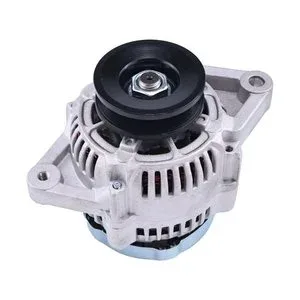
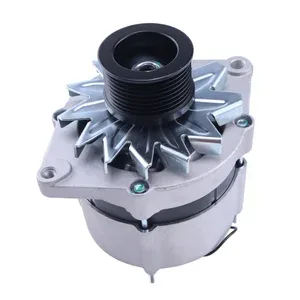
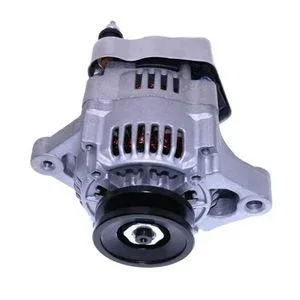
Engine Sequence Variants Confirmed — Alternator output, mounting flange, and connector type are verified against your Kubota D722 or V2203 engine serial before dispatch.
Technical Specifications
| Parameter |
Value |
| Part Number |
3A611-74013 |
| Product Type |
Alternator |
| Cross-Reference (reference only) |
1G728-64013, TA043-74012, 3606220M91, 101211-2200, 146-06127, 90-29-5459 |
| Machine Fitment |
L3240HSTC, L3430DT/GST/HST(C), L3540HSTC, L3710DT-HST-C, L3940HSTC, L4240HSTC, L4310DT-GST-C/HST-C, L4330DT/GST/HST(C), L4610DT-HST-C, L4630DT/GST(C)/HST, L4740HSTC, L5030GST/HST(C), L5240HSTC, L5740HSTC, M4900-CAB, M5700-CAB, M5700HDC, R420S, R430, R520S, MF-1547, MF 1533, MF 1529, MF 1532H, MF 1540, TG5390, HUV 4421 DXL, MT265, MT285 Hydro, ST34A, ST35, ST40, ST35-4, ST40-4 |
| Electrical Rating |
12V, 55A |
| Condition |
New aftermarket |
| Warranty |
3–12 months against manufacturing defects |
| Quality Standard |
ISO 9001 |
Application Suitability
| Engine System |
Related Components |
| Charging circuit |
Voltage regulator, battery cables, main relay |
| Belt drive system |
Drive belt, tensioner pulley, crankshaft pulley |
| Starting system |
Starter motor, ignition switch, wiring harness |
| Engine overhaul |
Gasket set, bearing shells, piston rings, seal kit |
Why Charging System Failures Keep Coming Back After Alternator Replacement
The root cause often lives in the wiring harness or voltage regulator, not the alternator itself.
In my time handling parts dispatch from the Southeast Asia desk, I have processed multiple warranty returns on Kubota D722 and V2203 charging systems where the replacement unit failed within weeks. Tear-down inspection consistently revealed that the original failure was caused by a shorted voltage regulator circuit, a stuck main relay feeding reverse current, or a corroded ground strap creating voltage imbalance. The new alternator was simply absorbing the fault the old one could not survive. Addressing the failed component without diagnosing the circuit condition means the next Kubota Alternator engine rebuild parts order is already on the calendar [NEED_CITE: electrical system diagnostic sequence for diesel charging circuits].
The Charging Circuit as a System, Not a Single Part
This 12V 55A alternator sits at the center of an interconnected electrical network on Kubota D722 and V2203 engines. The drive belt transfers mechanical energy from the crankshaft pulley; the voltage regulator controls field current to maintain stable output; battery cables and ground straps complete the circuit. When any of these adjacent components degrade, the alternator compensates until it reaches its thermal or electrical limit. Sourcing this Kubota Alternator engine rebuild parts unit as part of a matched electrical system check prevents the recurring failure pattern that single-component replacement creates.
Engine Serial Variants and What They Change
Kubota L-series tractors spanning L3240 through L5740 share similar engine architecture, but the alternator mounting flange, connector pin configuration, and pulley offset can differ across production runs. A unit that bolts onto an early-production V2203 may have a different harness plug than one built for a later V2203 variant used in an L4330HSTC. Before confirming your Kubota Alternator engine rebuild parts order, provide the engine serial plate details so we cross-check the flange pattern, connector type, and pulley alignment against the specific build configuration [NEED_CITE: Kubota engine serial variant identification for electrical components].
Output Rating and Electrical Load Matching
The 55A output at 12V is sized to handle the combined electrical load of standard tractor systems: lighting circuits, instrumentation, hydraulic solenoid valves, and electronic monitoring modules. Running extended PTO operations with additional work lights or GPS-guided steering systems pushes the alternator closer to its continuous rating. Understanding the total parasitic draw on your machine helps determine whether the standard 55A unit is adequate or whether the charging circuit wiring needs attention to prevent voltage drop under sustained load. The 12V system architecture also means that cable gauge and terminal condition directly affect the voltage reaching the battery.

The Cost of Skipping the Root-Cause Diagnosis
When a workshop replaces the alternator without testing the voltage regulator, relay circuit, and ground connections, the underlying fault continues to stress the new component. The result is a second failure within a short operating window, a second machine downtime event, and a second parts order. In fleet operations across multiple machines, this pattern compounds into significant unplanned downtime that a systematic diagnostic approach would have prevented. The replacement part is rarely the most expensive element of the repair cycle [NEED_CITE: recurring electrical failure patterns in mobile diesel equipment].
Why Source This Alternator Through Our System-Level Approach
Our own production lines and qualified sourced supply operate under a single warranty account, so whether this alternator comes from our facility or a certified partner, the QC terms are identical. Eight product categories under one account means the drive belt, tensioner, battery cables, and gasket set ship in the same consignment as the alternator. Orders start from one piece, so a single emergency replacement does not require padding a minimum quantity. Our Guangzhou warehouse stocks common electrical components for rapid dispatch. Part identification works from the OEM reference number, the machine model, or a photograph of the nameplate, and our cross-reference verification covers superseded and alternate numbers to catch variant mismatches before shipment.
Documentation & Verification
- Commercial invoice listing each alternator by engine serial match
- Cross-reference sheet mapping 3A611-74013 to alternate references (reference only)
- Electrical bench test record showing voltage and amperage output at rated RPM
- Warranty terms document specifying coverage period and conditions
- Packing photographs showing protective foam insert and connector caps
- HS code and customs paperwork for destination-country clearance
Installation & Rebuild Sequence
- Inspect mounting bracket threads and flange surface before fitting the alternator
- Route belt with correct tension per engine manual specifications
- Verify connector pin alignment and harness condition before plugging in
- Torque mounting bolts to specification to prevent misalignment under vibration
- Confirm charging voltage at battery terminals during initial run-in
- Check belt tracking and tension again after the first operating cycle
Request a Fitment-Verified Quote
Send the engine model, serial number from the nameplate, and any previous rebuild history so we can confirm the correct mounting flange, connector type, and output specification for your machine. If you are planning a full engine overhaul, include the list of adjacent electrical components you intend to replace so we match the complete system.
Frequently Asked Questions
Q: Does a standard engine overhaul kit include the alternator?
A: Most overhaul kits cover internal engine components such as pistons, rings, bearings, and gaskets. The alternator belongs to the auxiliary electrical system and is typically ordered separately. When planning a rebuild, confirm whether the charging system needs attention based on operating hours and previous fault history.
Q: Can different engine serials of the same Kubota model use different alternators?
A: Yes. Production changes across Kubota D722 and V2203 engine runs can alter the mounting flange pattern, harness connector type, or pulley offset. Provide your engine serial number so we verify the exact variant before dispatch rather than relying on the tractor model alone.
Q: What other components should I check when replacing this alternator?
A: Test the voltage regulator circuit, inspect battery cable terminals and ground straps for corrosion, and verify the drive belt condition and tensioner function. A fault in any of these adjacent components may have caused the original alternator failure and will damage the replacement if left uncorrected.
Q: How do I confirm the engine model and serial number?
A: The engine serial plate is typically located on the valve cover or block side. If the plate is worn or painted over, a clear photograph of any remaining markings plus the tractor model and year allows our team to cross-reference the correct engine build configuration.
Q: Why does the charging system keep failing after alternator replacement?
A: Recurring failures usually indicate an unresolved circuit issue such as a shorted regulator, a stuck relay feeding reverse current, or a high-resistance ground connection. Systematic testing of the full charging circuit before and after installation addresses the root cause rather than treating only the symptom.