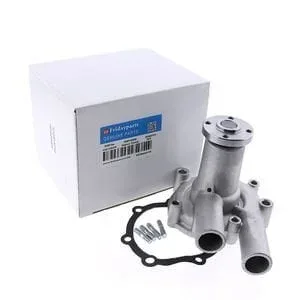
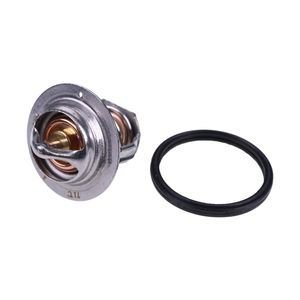
Complete Cooling-Loop Kits Dispatched Together — Every gasket, seal, and thermostat matching the 4024 or 5030 rebuild ships in the same consignment as your Water Pump RE507604.
Technical Specifications
| Parameter |
Value |
| Part Number |
RE507604 |
| Product Type |
Water Pump |
| Cross-Reference |
RE507604, RE545572, RE545573, SE502114, SE502115, RE18520 (reference only) |
| Machine Fitment |
315, 317, 318D, 319D, 320D, 323D, CT322, 325, 326D, 328, 328D, 329D, 332, 332D, 333D, CT332, 5065M, 5075M, 5085M, 5095M, 5015M, 5225, 5325, 5325N, 304J, 324J, 244J |
| Engine Compatibility |
John Deere 4024, 5030 |
| Housing Material |
Cast iron |
| Impeller Type |
Precision-machined |
| Seal Material |
High-temperature resistant |
| Condition |
New Aftermarket |
| Warranty |
3-12 months |
| Quality Standard |
ISO 9001 |
Application Suitability
| Engine System |
Related Components |
| Coolant Circulation Loop |
Thermostat, bypass hoses, mounting gaskets, coolant temperature sensor |
| Cylinder Head Cooling |
Head gasket, injector sleeve seals, coolant passage O-rings |
| Block-to-Radiator Flow |
Radiator cap, expansion tank hose, heater core bypass valve |
| Overhaul Kit Integration |
Complete upper and lower gasket sets, front cover seal, oil cooler gasket |
Why a New Pump Fails Before the Break-In Period Ends
The water pump is rarely the root cause of cooling failure on a recently rebuilt 4024 or 5030.
When an engine comes back from overhaul and the new water pump leaks or cavitates within weeks, the fault usually sits elsewhere in the system. Coolant contamination left from a previous failure blocks radiator tubes, a seized thermostat creates localized hot spots that warp the new pump housing, or a mismatched seal grade degrades under the higher operating temperatures of a fresh rebuild [NEED_CITE: engine cooling system root-cause analysis for diesel rebuilds]. I have seen entire skid-steer fleets cycle through multiple pump replacements because the rebuild shop never flushed the radiator or replaced the thermostat housing gasket. The Water Pump RE507604 engine cooling system component performs correctly only when adjacent wear items are addressed as a matched set during the same teardown.

How the Water Pump Sits Inside the 4024/5030 Cooling Architecture
The pump draws coolant from the lower radiator hose and pushes it through the block and cylinder head passages before the fluid returns through the thermostat housing. On both the 4024 and 5030 engines, this flow path shares junctions with the oil cooler, the heater core bypass, and the coolant temperature sensor port. Replacing only the Water Pump RE507604 without inspecting these adjacent connections leaves aged seals and corroded fittings in place, creating leak paths that show up under load.
What Engine Serial Variants Mean for Your Order
John Deere produced multiple internal configurations across the 4024 and 5030 engine families, and the casting port orientation, impeller diameter, and mounting bolt pattern shift between serial ranges. An RE507604 reference number may cover several physical variants. Sending the engine serial number and noting any previous rebuild history allows confirmation of the correct casting and seal grade before the part leaves the warehouse [NEED_CITE: John Deere engine serial variant identification procedures]. This step prevents the situation where a pump bolts on but the impeller shroud contacts the block, or the inlet port sits at the wrong angle for the lower hose routing.
Reading the Specs That Actually Matter on a Cooling Rebuild
The cast iron housing provides the dimensional stability needed to maintain gasket sealing pressure across repeated heat cycles, resisting the warping that occurs with thinner alloy alternatives under sustained high-load operation. The precision-machined impeller must deliver flow volume matched to the specific engine variant; an undersized impeller allows coolant temperature to climb at rated RPM, while an oversized one causes cavitation at idle. High-temperature resistant seal material is specified because modern extended-life coolants operate at higher equilibrium temperatures than legacy formulations, and standard nitrile seals harden and crack under these conditions. The ISO 9001 manufacturing standard covers dimensional inspection of the mounting face flatness and bearing bore concentricity, both of which directly affect long-term seal life.
The Hidden Cost of Treating the Pump as a Standalone Purchase
Ordering the pump alone and discovering mid-rebuild that the thermostat housing gasket is back-ordered means the engine sits on the stand with the bay blocked, labor hours accumulate without progress, and the machine remains non-productive [NEED_CITE: equipment downtime cost modeling for single-component procurement]. Worse, installing a new pump against an old thermostat that later seizes forces a second teardown, doubling the labor cost and exposing the new pump bearing to contamination from the initial flush debris. These cascading failures trace back to treating one component as an isolated purchase rather than sourcing the entire cooling loop as a system.
Why Rebuild Shops Source the Full Cooling Kit Here
Own production on selected pump lines combined with qualified sourced supply for gaskets, thermostats, and hoses means every cooling-loop item carries the same warranty terms under one account. The eight-category inventory allows a complete 4024 or 5030 overhaul list to ship as one consignment rather than arriving in staggered partial deliveries. Part identification works from the engine serial number, a photograph of the old pump nameplate, or a machine model alone. Cross-reference verification covers superseded numbers like RE545572 and RE545573, catching catalog errors that carry forward between sellers. Sample supply is available for fitment confirmation before a fleet operator commits to bulk quantities, and the technical team confirms seal grade and impeller variant against the specific engine build.
Documentation & Verification
- Commercial invoice listing each cooling-loop component with individual HS codes for customs clearance
- Cross-reference sheet mapping RE507604 to alternate numbers (reference only) with confirmed engine serial ranges
- Dimensional inspection record covering mounting face flatness, bearing bore, and port spacing
- Warranty terms document specifying coverage scope for both housing defects and premature seal failure
- Packing photographs showing pump protected against impact and gaskets sealed in moisture-barrier bags
Installation & Rebuild Sequence
- Flush radiator and heater core before pump installation to prevent legacy contamination from scoring the new impeller seal
- Verify thermostat opens at rated temperature before assembly, replacing if stuck or sluggish
- Torque mounting bolts in sequence to specification, checking housing-to-block gap with feeler gauge
- Fill with correct coolant formulation and bleed air from the system before first start
- Run engine to operating temperature and pressure-test all new gasket joints for leaks
- Log installation date and hour meter reading for warranty tracking and future service interval planning
What to Send for an Accurate Quote
Provide the engine serial number and note whether the block has been previously bored or line-bored, as this affects gasket thickness and seal selection. If the machine model plate is legible, include it along with any visible casting numbers on the old pump. For fleet orders, share the engine count and any known serial variants across the fleet so the correct pump casting ships for each unit.
Frequently Asked Questions
Q: What else in the cooling system should I replace when changing the water pump?
A: Replace the thermostat, thermostat housing gasket, bypass hoses, and coolant temperature sensor as a matched set. These components share the same service life expectancy, and leaving aged items in place creates leak paths or flow restrictions that compromise the new pump. A complete cooling-loop kit eliminates the risk of a back-ordered gasket blocking your rebuild completion.
Q: Does the 4024 and 5030 use the same water pump casting or are there internal differences?
A: The external mounting pattern may appear identical, but impeller diameter, port orientation, and internal passage sizing differ between the two engine families. Some serial ranges within each family also carry unique variants. Providing the engine serial number allows confirmation of the exact casting required, preventing fitment issues or flow mismatch at installation.
Q: My engine was rebuilt before — how do I confirm which seal grade to order?
A: Share the rebuild history including any block machining, cylinder sleeve replacement, or head work performed. Previous overheating events or coolant formulation changes affect which seal material grade is appropriate. The technical team cross-references the engine serial number and rebuild notes to specify the correct high-temperature seal variant for your specific build configuration.
Q: Can I get a complete cooling-system kit instead of ordering each part separately?
A: Complete kits covering the pump, thermostat, all gaskets, hoses, and seals are available as a single line item. This approach guarantees component compatibility, consolidates freight into one shipment, and ensures all items arrive together so the engine does not sit partially assembled waiting for a missing O-ring or bypass hose.
Q: How do I confirm my engine serial number matches this pump variant?
A: Locate the serial number stamped on the engine block, typically near the oil filter housing or on the valve cover tag. If the plate is worn or painted over, a photograph of the old pump casting numbers and the machine model plate allows cross-reference verification. The identification team confirms the correct variant before dispatch.