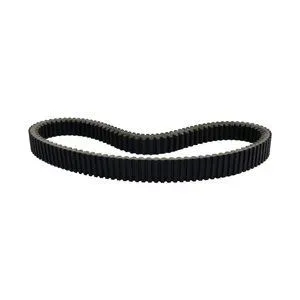
Engine Sequence Variants Confirmed — This belt tensioner 5333477 matches specific Cummins front-end accessory drive configurations, verified against engine serial ranges before dispatch.
Technical Specifications
| Parameter |
Value |
| Part Number |
5333477 |
| Product Type |
Belt Tensioner |
| Cross-Reference |
5333477 (reference only) |
| Machine Fitment |
4BT, NT855, 6CT, 6B, 6BTA, 4BTA, B3.9L, QSB6.7, QSF2.8, 6BT 5.9L |
| Compatible Brand |
CUMMINS |
| Condition |
New Aftermarket |
| Assembly State |
Complete unit with spring mechanism, pivot assembly, and pulley |
| Pulley Material |
Heat-treated cast iron with low-friction bearing |
| Pivot Assembly |
High-strength steel alloy with hardened bushings |
| Surface Treatment |
Corrosion-resistant coating |
| Manufacturing Standard |
ISO-certified |
| Warranty |
3-12 months against manufacturing defects |
Application Suitability
| Engine System |
Related Components |
| Front-end accessory drive |
Alternator pulley, water pump pulley, fan hub assembly |
| Serpentine belt routing |
Drive belt, idler pulleys, crankshaft damper |
| Engine overhaul refresh |
Overhaul gasket set, front crankshaft seal, belt |
| Scheduled maintenance |
Belt inspection, adjacent pulley bearing check |
Why Reused Tensioners Cause Repeat Failures After Cummins Overhauls
The belt tensioner is the only rotating wear component in the front accessory drive that mechanics routinely reuse during engine rebuilds.
When a Cummins 4BT or 6BT 5.9L comes in for overhaul, the piston kits, bearing shells, and gaskets get full replacement treatment. The tensioner gets a quick spin by hand, deemed acceptable, and goes back on the block. Within weeks, the rebuilt engine shows belt slippage, squeal at startup, or premature belt wear [NEED_CITE: front accessory drive belt failure modes in rebuilt diesel engines]. I have pulled tensioners off freshly overhauled B3.9L engines where the internal spring had lost meaningful deflection pressure and the pivot bushing showed visible side play. The bearing inside the pulley felt smooth to the fingers but measured radial clearance well beyond acceptable limits for a high-speed drive application. A belt tensioner engine rebuild replacement should be planned into every in-frame or out-of-frame job, not left as a judgment call at the bench.

The Accessory Drive System This Tensioner Belongs To
This belt tensioner sits at a critical node in the Cummins front-end accessory drive system, where the serpentine or V-belt transmits crankshaft torque to the alternator, water pump, and fan simultaneously. When one pulley in this chain develops radial play or the tensioner spring weakens, the entire belt path loses calibrated pressure. That means the water pump can run slightly below designed speed under load, pushing coolant temperature higher than the gauge indicates, while the alternator output drops at idle. Replacing the belt tensioner engine rebuild replacement as part of a matched front-end set ensures the new belt tracks correctly and every driven accessory receives proper rotational force.
Engine Serial Variants and Why the Same Number Ships Differently
Cummins used the same base block architecture across the 4BT, 6B, 6BTA, and 6BT 5.9L families, but the front-end accessory layout changed between industrial, marine, and generator-set applications. A QSB6.7 in a wheel loader may have a different bracket mounting pattern than the same displacement block in a marine genset, even when the belt tensioner part number crosses to the same reference. Confirming the engine serial number and application code is necessary before fitting, because the pivot arm length and pulley offset can vary between variants [NEED_CITE: Cummins engine family variant identification for front accessory drive components]. Sending a photograph of the old tensioner on the bracket, along with the dataplate image, lets the technical team confirm the correct variant ships.
What the Specification Sheet Actually Means for Belt Life
The heat-treated cast iron pulley with a low-friction bearing is specified because this component rotates at multiples of crankshaft speed continuously. Cast iron provides the mass and thermal stability to dissipate friction heat from the belt contact surface, while heat treatment prevents the groove profile from wearing smooth under sustained belt pressure. The high-strength steel alloy pivot assembly with hardened bushings controls the arc of movement so the spring force translates directly into belt pressure rather than being absorbed by pivot slop. The corrosion-resistant coating matters particularly on marine vessel installations and construction equipment operating in coastal or high-humidity environments, where an unprotected steel pivot will develop surface corrosion that increases stiction and causes uneven tension delivery across the service interval.
The Hidden Cost of Skipping the Tensioner During Overhaul
When a reused tensioner fails within months of an overhaul, the machine comes back down and the customer questions the entire rebuild quality. The belt may have already glazed or cracked from running under incorrect tension, requiring a second belt replacement. In worst cases, a tensioner pulley bearing that seizes at speed can throw the belt off entirely, shutting down the water pump and causing an overheat event on an engine that just received new liners, pistons, and rings [NEED_CITE: secondary damage from accessory drive belt loss in heavy-duty diesel engines]. That single skipped component can undermine confidence in a repair that otherwise used correct bearing grades, proper ring end gaps, and torqued fasteners throughout.
Why Procurement From Here Reduces Overhaul Risk
Own production on selected lines plus qualified sourced supply under one account means the belt tensioner ships with the same warranty terms whether it is factory-floor output or partner-sourced. Eight product categories under one account let you add the front crankshaft seal, overhaul gasket set, and replacement belt to the same consignment, avoiding split freight on a single job. Part identification from engine serial number, dataplate photograph, or even a worn component image means fitment gets confirmed before the order ships. Cross-reference verification covers superseded numbers across Cummins engine generations, so a tensioner that replaced an earlier number in a 6BTA production run still gets matched correctly. Sample supply before bulk commitment lets rebuild shops verify fitment on one engine before ordering stock for the full fleet.
Documentation & Verification
- Commercial invoice lists tensioner part number with engine serial cross-reference
- Compatibility sheet confirms variant match for specific Cummins engine family
- Dimensional inspection of pulley offset and pivot bore before dispatch
- Warranty terms document covering manufacturing defect period
- Packing photographs showing corrosion-resistant coating condition at shipment
- HS code and customs documentation for international overhaul parts shipments
Installation & Rebuild Sequence
- Verify pivot bore diameter and spring anchor point match the removed unit before fitting
- Clean the bracket mounting surface of old gasket material and corrosion deposits
- Torque the pivot bolt to the specified value for the Cummins engine family in service
- Route the new belt following the correct diagram for the specific accessory configuration
- Check pulley spin and arm movement through full travel arc before first engine start
- Run the engine and observe belt tracking on the tensioner pulley for the first minutes
Requesting a Fitment-Confirmed Quote
Provide the engine model designation, serial number from the dataplate, and any previous overhaul history so the correct tensioner variant gets identified. If the dataplate is unreadable, a photograph of the old tensioner still mounted on the bracket and the front accessory layout will allow identification. Mention whether the tensioner is needed as a single replacement or as part of a complete front-end drive refresh during overhaul.
Frequently Asked Questions
Q: Should I replace the tensioner during every Cummins engine overhaul?
A: Yes. The internal spring and pivot bushings experience cumulative wear that is not visible during a hand-spin check. Including a new belt tensioner in every in-frame or out-of-frame overhaul eliminates the most common cause of early belt slippage complaints after a rebuild and protects the investment in new internal components.
Q: What other front-end drive components should I replace together with the tensioner?
A: Replace the drive belt at minimum. Check all idler pulleys for bearing play and replace any with detectable radial movement. Inspect the crankshaft damper and alternator pulley for groove wear. Ordering these as a matched front-end set ensures consistent belt tracking and avoids a second downtime event within months.
Q: How do I confirm this tensioner fits my specific Cummins engine variant?
A: Provide the engine serial number and application code from the dataplate. If unavailable, send photographs of the old tensioner on the bracket and the full front accessory layout. Cummins engine families share base numbers across variants with differences in pivot arm length or pulley offset that must be verified before fitting.
Q: What causes premature tensioner failure beyond normal bearing wear?
A: Misaligned adjacent pulleys place side load on the tensioner bearing, accelerating wear. Belt contamination from oil leaks onto the drive surface increases friction and heat at the pulley contact area. A seized or dragging driven accessory such as a water pump with bearing failure transfers abnormal load to the tensioner spring mechanism.