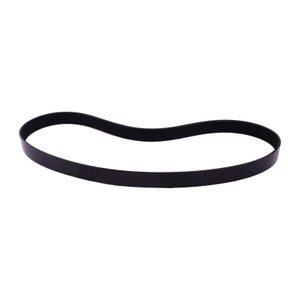
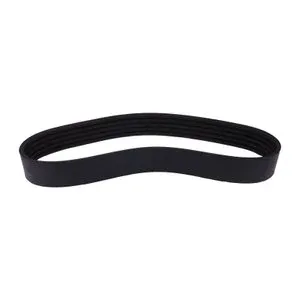
Matched Overhaul Kits — Every R123307 belt ships with confirmed tensioner and pulley compatibility for your specific John Deere engine build variant.
Technical Specifications
| Parameter |
Value |
| Part Number |
R123307 |
| Product Type |
Belt |
| Cross-Reference |
R123307 (reference only) |
| Machine Fitment |
John Deere 3029, 4039, 4045, 6068 (2.9L, 3.9L, 4.5L, 6.8L) |
| Condition |
New Aftermarket |
| Warranty |
3-12 months against manufacturing defects |
| Standards |
ISO-certified manufacturing |
Application Suitability
| Engine System |
Related Components |
| Front Accessory Drive |
Tensioner assembly, idler pulleys, crankshaft pulley, water pump pulley, alternator |
| Cooling System Integration |
Fan hub bearing, coolant hose routing adjacent to belt path |
| Charging and Electrical |
Alternator mounting bracket, pulley alignment shims |
| Overhaul Refresh |
Complete seal kit for front cover, tensioner spring, pulley bearings |
Why the Same Belt Number Fits Four Different Engine Displacements
Correct belt specification depends on the engine serial number, not just the base model designation.
I have seen rebuild shops order belts for a 4045 engine only to find the routing path differs between early and late production blocks, meaning the belt length is wrong for the tensioner travel range. The 3029, 4039, 4045, and 6068 family shares architecture but varies in accessory placement, pulley diameters, and tensioner geometry across serial ranges. A belt engine rebuild replacement that fits one variant may be several millimeters too long or short on another, causing either premature slip or excessive bearing load on the water pump and alternator [NEED_CITE: John Deere PowerTech engine serial break points for belt drive configuration]. This is not a tolerance stacking issue — it is a fundamental variant mismatch that reveals itself only after the engine is partially assembled.
Belt Drive System Architecture Across the Engine Family
The R123307 belt sits within a front-end accessory drive system that typically routes around the crankshaft pulley, water pump, alternator, and idler arrangement. On the 4.5L and 6.8L variants, the belt path is longer and the tensioner arm travel is calibrated differently compared to the smaller displacement blocks. Understanding where this belt engine rebuild replacement sits in the overall system helps you see why replacing it in isolation — without checking tensioner condition, pulley runout, and bearing play — invites a second failure within the first hundred hours of operation.
Serial Variants and Matched Replacement Sequencing
Different production runs within the same engine model introduced changes to pulley groove profile, tensioner pivot geometry, and front cover casting. These changes mean the same base engine number can require different belt specifications depending on the serial number range. During a full overhaul, the belt should be replaced alongside the tensioner assembly, idler pulley bearings, and front cover seals as a matched set. Skipping the tensioner while installing a fresh belt is a common root cause of premature belt failure — the worn tensioner cannot maintain consistent load, and the new belt begins to slip and degrade within weeks [NEED_CITE: belt drive system failure root cause analysis in diesel engines].

How Material and Profile Specification Affect Service Life
The belt cross-section profile, cord material, and rubber compound determine how it handles the heat load at the front of a diesel engine operating under continuous load. The correct profile must seat fully in the pulley grooves without bottoming out or riding high — both conditions accelerate wear and generate excess heat. For construction and agricultural applications where ambient dust and temperature cycles are severe, the compound must resist cracking and glazing. A belt engine rebuild replacement that matches the original profile specification ensures proper contact with every pulley in the drive path, distributing load evenly and preventing the localized stress that causes cord separation.
The Hidden Cost of Ignoring the Root Cause
A belt that fails early almost never failed because of the belt itself. Misaligned pulleys, a worn tensioner pivot, a seized idler bearing, or a water pump with excessive shaft play all transfer abnormal load into the belt. Replacing only the belt without investigating these adjacent components means the new belt will fail in the same way and on the same timeline as the last one. The cost is not just the belt — it is the second teardown, the second set of gaskets and seals, and the second period of machine downtime [NEED_CITE: diagnostic checklist for recurrent belt drive failures in off-highway diesel engines]. This pattern repeats on job sites and in rebuild shops more often than most maintenance logs capture.
Why Rebuild Shops and Fleet Operators Source Here
Our production lines and qualified sourcing partners operate under the same quality control framework, so whether this belt comes from our facility or a partner plant, the inspection standard and warranty terms are identical. We cover engine parts, hydraulic components, electrical items, undercarriage, cabin parts, seal kits, and tools across a single account — so a complete overhaul parts list ships as one consignment. Orders start from one piece, which matters when you need a single belt for an emergency rebuild before committing to bulk stock. Our technical team verifies compatibility against your engine serial number before dispatch, and cross-reference checks cover superseded and alternate numbers to catch variant mismatches early. Sample supply is available for fitment confirmation before you place a fleet-level order.
Documentation & Verification
- Commercial invoice listing R123307 belt with engine model and serial confirmation
- Cross-reference sheet showing alternate numbers marked reference only
- Dimensional inspection record covering belt length and profile tolerance
- Warranty terms covering manufacturing defects for 3-12 months
- Packing photographs showing belt condition before crate closure
- HS code and customs documentation for international shipment
Installation & Rebuild Sequence
- Inspect all pulleys for runout and groove wear before fitting the new belt
- Replace tensioner assembly and idler bearings as a matched set with the belt
- Verify front cover seal surface condition while the drive system is exposed
- Confirm belt routing against the engine-specific diagram, not generic reference
- Set tensioner to specification and rotate crankshaft two full turns to seat belt
- Run engine to operating temperature and recheck tension after initial heat cycle
Provide Your Engine Details for Confirmed Fitment
Send the engine model, serial number, and any previous rebuild documentation so we can verify which belt specification matches your exact build variant. If you are ordering as part of a full overhaul kit, include the complete engine build sheet so we can confirm matched component sizing. Photographs of the existing belt drive layout and nameplate help us cross-check the configuration before anything ships.
Frequently Asked Questions
Q: What other belt drive components should be replaced at the same time?
A: During an overhaul, the tensioner assembly, idler pulley bearings, and front cover seals should all be replaced alongside the belt. A worn tensioner cannot maintain proper load on a new belt, leading to premature slip and failure. Replacing the complete drive set eliminates the most common root causes of early belt degradation.
Q: Do different engine serial numbers within the same model require different belts?
A: Yes. Production changes across serial ranges altered pulley sizes, tensioner geometry, and front cover castings within the same base engine model. A belt that fits an early 4045 may not fit a later build. Always confirm by engine serial number, not just the model designation.
Q: How do I confirm the correct belt for my specific engine build?
A: Provide the engine model, full serial number, and any records from previous rebuilds. Our technical team cross-references these against known configuration break points to verify the correct belt length and profile. Photographs of the existing drive layout also help confirm the routing variant.
Q: Is this belt included in a complete overhaul kit, or ordered separately?
A: It can be ordered as a standalone item or included in a matched overhaul package. When ordering as part of a kit, we verify that all included components match your engine serial variant so nothing arrives incompatible. Specify your build details when requesting the kit contents list.
Q: What causes premature belt failure, and how do I address the root cause?
A: Common causes include pulley misalignment, worn tensioner pivots, seized idler bearings, and water pump shaft play. Each transfers abnormal load into the belt. Address the fault in the adjacent component rather than replacing only the belt, or the new belt will fail on the same timeline.