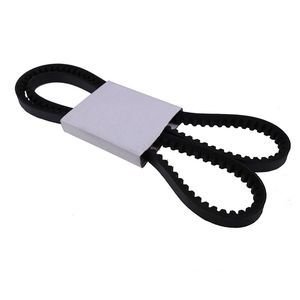
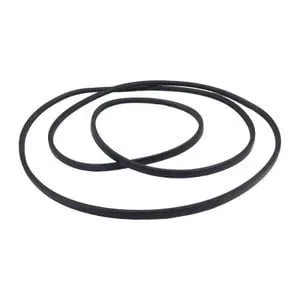
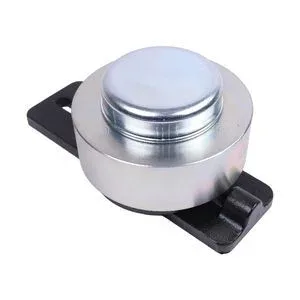
System-Level Match Verified — Every belt shipped is cross-referenced against the specific Carrier unit serial range and compressor drive configuration to prevent compound or profile mismatch.
Technical Specifications
| Parameter |
Value |
| Part Number |
50-00178-19 |
| Product Type |
Belt |
| Cross-Reference (reference only) |
500017819, 50-0017819, CP10615, CP-10615 |
| Machine Fitment |
Ultima XTC, ULTRA XL, ULTRA XTC, ULTRA XT, X2 1800, X2 2100, X2 2100A, X2 2100R, X2 2500A, X2 2500R |
| Material |
EPDM (Ethylene Propylene Diene Monomer) rubber compound |
| Reinforcement |
Aramid-reinforced tensile cords |
| Profile |
Multi-ribbed V-profile |
| Dimensional Tolerance |
±0.3 mm per ISO 4184:2018 |
| Condition |
New Aftermarket |
| Standards |
ISO 9001, ISO 4184:2018 |
| Warranty |
3–12 months against manufacturing defects |
| MOQ |
1 piece |
Application Suitability
| Engine System |
Related Components |
| Compressor Drive (Ultima XTC / ULTRA series) |
Tensioner assembly, idler pulley bearings, compressor clutch |
| Compressor Drive (X2 1800 / 2100 / 2500 series) |
Drive pulley alignment shims, accessory bracket fasteners |
| Accessory Drive (all listed Carrier refrigeration units) |
Vibration damper, belt guard hardware, pulley cleaning tools |
When a New Belt Fails Before the First Service Interval
A belt snapping within weeks of installation usually points to a system fault, not the belt itself.
In Carrier transport refrigeration units, the compressor drive system operates under continuous thermal cycling and high ambient heat inside enclosed compartments. A replacement belt that matches the part number but not the compound specification will slip under load, causing the refrigeration cycle to degrade while the compressor appears functional. The root cause gets misdiagnosed as a compressor fault, leading to unnecessary teardowns [NEED_CITE: transport refrigeration compressor drive failure diagnostic procedures]. Misalignment from a worn idler pulley bearing or a fatigued tensioner spring transfers cyclic shock loads to the new belt's tensile cords, shearing them from the inside out before any visible surface wear appears.

The Compressor Drive as a Closed Thermal System
The belt for Carrier refrigeration unit engine systems sits inside an enclosure where ambient temperature, refrigerant vapor exposure, and ozone concentration remain elevated during every run cycle. EPDM compound resists ozone cracking and retains flexibility across the thermal extremes that transport refrigeration units experience, from port-side container staging to over-the-road transit in high ambient heat.
What the Tensioner and Idler Reveal Before Installation
Before fitting a new belt, the tensioner arm must hold its set position under manual deflection, and the idler pulley must spin without lateral play. A Carrier Ultima XTC unit that went through two replacement belts in one month traced the fault to a seized idler bearing creating enough misalignment to walk the belt off the pulley groove under load [NEED_CITE: multi-ribbed belt tracking failure from pulley misalignment]. Checking these adjacent components takes minutes and prevents the repeat failure that costs a cold-chain operator a full trailer load.
Compound and Profile Selection for Refrigeration Environments
EPDM was selected over neoprene for this application because refrigeration compartments accumulate ozone from electrical components and refrigerant vapor from minor system leaks. The multi-ribbed V-profile matches the OEM pulley geometry across all listed Carrier models, maintaining lateral alignment and distributing load evenly across each rib. Aramid-reinforced tensile cords resist the fatigue that develops from the compressor clutch engaging and disengaging hundreds of times per transit cycle. The surface texture and groove depth are calibrated to maintain grip when condensation forms on pulley faces during rapid temperature pull-down, a condition that causes standard-profile belts to slip and glaze.
The Cost of Treating the Belt as an Isolated Consumable
Replacing only the belt while leaving a worn tensioner in service typically produces a second failure within the first few hundred operating hours. The downtime on a refrigerated trailer carrying perishable cargo compounds quickly, and the repeat repair costs more in labor and spoiled product than a full drive system refresh would have. Shops that replace the belt, inspect the tensioner, and verify pulley alignment in a single service event close the ticket permanently [NEED_CITE: transport refrigeration fleet preventive maintenance belt drive protocols].
Why This Supply Channel Supports System-Level Purchasing
Own production on selected belt lines and qualified sourced supply under one account means the tensioner, idler, and belt arrive together with one warranty and one set of documentation. Guangzhou warehouse stock on fast-moving Carrier refrigeration consumables enables dispatch without multi-week waits. Part identification works from the unit serial plate, a photograph of the old belt, or the machine model alone. The technical team verifies compound grade and profile against the specific Carrier X2 or Ultima variant before release, preventing the compound mismatch that causes early slippage. Sample supply is available for fitment confirmation before a fleet commits to bulk purchasing.
Documentation & Verification
- Commercial invoice listing each belt by Carrier unit model and serial cross-reference
- Cross-reference sheet mapping 50-00178-19 to all verified alternate numbers (reference only)
- Dimensional inspection record confirming rib profile and tolerance per ISO 4184:2018
- Tension retention test result included in quality file
- Warranty terms document with manufacturing defect claim procedure
- Packing photograph showing belt condition and labeling before crate closure
Installation & Rebuild Sequence
- Verify compressor pulley and idler pulley are clean and free of glaze before belt installation
- Route the EPDM belt following the Carrier service manual diagram for the specific X2 or Ultima sub-model
- Confirm tensioner spring holds rated deflection; replace if arm drifts under load
- Run the compressor clutch through three engage-disengage cycles and check belt tracking on each rib
- Re-check tension after the first hour of operation as the aramid cords seat into the pulley grooves
Inquiry Guidance for Drive System Matching
Provide the Carrier unit model designation and serial number, or a photograph of the existing belt and nameplate, so the correct profile and compound can be confirmed against your specific refrigeration unit variant. For fleet-level scheduled maintenance programs, share the unit roster and service interval targets to receive a consolidated drive system supply plan.
Frequently Asked Questions
Q: What other drive system components should be inspected when replacing this belt?
A: The tensioner assembly, idler pulley bearings, and compressor clutch face should all be checked. A worn idler bearing introduces misalignment that destroys a new belt from the inside. The tensioner spring must hold position under deflection. Replacing the belt without verifying these components is the most common cause of premature repeat failure in Carrier refrigeration compressor drives.
Q: How do EPDM and neoprene belts differ in refrigeration unit service environments?
A: EPDM resists ozone and refrigerant vapor exposure far better than neoprene, which tends to crack and harden in enclosed refrigeration compartments where ozone accumulates from electrical components. EPDM also retains flexibility across the wider thermal range that transport units experience, from deep-freeze pull-down to high ambient staging conditions.
Q: Does part number 50-00178-19 apply across all X2 sub-models?
A: The cross-reference covers X2 1800, 2100, 2100A, 2100R, 2500A, and 2500R, but pulley geometry can vary between early and late production runs within the same sub-model. Providing the unit serial number allows verification that the rib count and effective length match your specific build configuration.
Q: What system-level faults cause premature belt failure beyond the belt itself?
A: Seized or worn idler bearings, fatigued tensioner springs, compressor clutch drag, and pulley misalignment from bracket wear all transfer abnormal loads to the belt. In Carrier Ultima XTC units, condensation on pulley faces during rapid temperature pull-down can also accelerate glazing if the belt compound lacks adequate grip calibration.
Q: How do I confirm the correct belt when the unit nameplate is unreadable?
A: Send a photograph of the old belt showing any remaining markings, the rib count, and the pulley arrangement. The technical team can cross-reference the physical profile and dimensions against the Carrier application database to identify the correct variant, even when paint overspray or corrosion has obscured the nameplate.