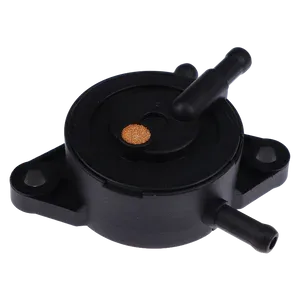
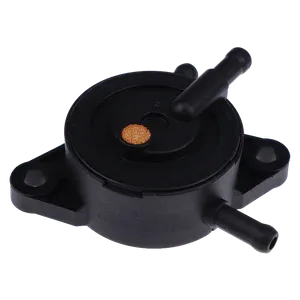
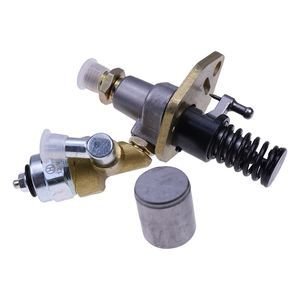
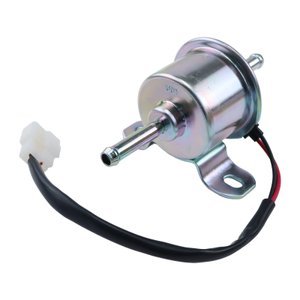
Matched Fuel System Sets — The KM186FGET-12000 injection pump ships with matched injectors and seals, preventing repeat failures from mismatched wear components.
Technical Specifications
| Parameter |
Value |
| Part Number |
KM186FGET-12000 |
| Cross-Reference |
KM186FGET12000 (reference only) |
| Product Type |
Injection Pump |
| Part Name |
Fuel Injector Pump with Valve |
| Condition |
New Aftermarket |
| Warranty |
3-12 Month |
| MOQ |
1 piece |
| Machine Fitment |
L48N, L48V, L60AE, L70AE, L100, KDE6500T, KDE6500T3, KDE6700T, KDE6700TA, KDE6700TA3, KM186, 186F, 186FE, 406CC |
| Brand Compatibility |
Yanmar, Kipor, Kama |
| Quality Standard |
ISO 9001 |
Application Suitability
| Engine System |
Related Components |
| Fuel Delivery (Yanmar L-Series) |
Injector nozzles, fuel lines, return line seals |
| Generator Set Fuel System (Kipor KDE6500T/KDE6700T) |
Fuel filters, pump gaskets, rail pressure valve |
| Agricultural Diesel Fuel Circuit |
Fuel lift pump, contamination filters, tank strainers |
Why Replacing the Pump Alone Causes Repeat Black Smoke
Root-cause faults in adjacent fuel components destroy new pumps within weeks.
I have seen too many KM186FGET-12000 replacements arrive at Brazilian mine sites, get installed, and still produce black smoke or fail prematurely. The pattern repeats: worn injector nozzles drip fuel downstream, clogged filters starve the new pump, or degraded return lines allow air ingress. The pump itself was fine—the system around it was not. Engine rebuild shops that replace only the injection pump without auditing the full fuel circuit face comeback rates that erode customer trust. [NEED_CITE: diesel fuel system contamination and injector wear patterns]

The Fuel Delivery System as a Matched Set
The Fuel Injector Pump KM186FGET-12000 sits at the center of a pressurized metering circuit. Upstream, fuel passes through filters and a lift pump; downstream, high-pressure lines carry metered fuel to injector nozzles. When any of these adjacent components carry wear from the previous service interval, the new pump compensates for faults it was never designed to absorb. Sourcing the pump alongside matched injector nozzles, fuel line seals, and return line components ensures the entire fuel-side rebuild operates within design tolerances from first startup.
Integrated Valve Assembly and Pressure Matching
This pump ships with the valve already assembled, which eliminates a common rebuild error: reusing a fatigued valve on a fresh pump body. The valve controls fuel rail pressure and metering timing. When an old valve seats improperly on a new pump, pressure fluctuates across the RPM range, causing uneven combustion and accelerated nozzle wear. For engines that have undergone previous rebuilds, confirming whether the integrated valve matches the current fuel rail specification is essential before installation. [NEED_CITE: diesel injection pump valve pressure specifications for small-bore engines]
Reading the Specs That Matter for Fuel Metering
The integrated valve assembly defines the pump's pressure curve across the engine's operating range. For Yanmar L48N and L100 variants, internal build differences across serial ranges affect how the pump interfaces with the cam-driven actuation mechanism. The condition designation as new aftermarket means all internal plungers, springs, and delivery valves operate within fresh tolerance bands, unlike reconditioned units where selective component replacement leaves mixed wear states. ISO 9001 production oversight ensures dimensional consistency across batches, which matters when a rebuild shop sources multiple pumps for a fleet overhaul.
What Happens When Upstream Contamination Is Ignored
A replacement Fuel Injector Pump KM186FGET-12000 installed behind a clogged filter or a contaminated fuel tank fails prematurely—not because the pump is defective, but because abrasive particles score the precision-machined plungers and delivery valves. In mining and remote job-site conditions where fuel quality varies, skipping the fuel filter replacement or tank inspection during a pump swap guarantees a comeback. The cost is not just the second pump; it is the second teardown, the second round of downtime, and the eroded confidence from the equipment owner. [NEED_CITE: fuel contamination particle size thresholds for diesel injection systems]
Why Sourcing From a System-Level Supplier Reduces Comebacks
Our production lines and qualified sourcing partners operate under unified QC terms, so whether the pump comes from our own facility or a certified partner, the warranty and inspection standards remain identical. Eight product categories mean a complete fuel system refresh—pump, injectors, gaskets, filters—ships as one consignment under one account. Single-piece MOQ allows a rebuild shop to order one pump for fitment verification before committing to a fleet quantity. Guangzhou warehouse stock on common variants enables fast dispatch when a machine is already down. Cross-reference verification covers superseded numbers, so an older listing that no longer matches current engine builds gets caught before shipment. The technical team confirms pump variant against engine serial number, preventing the L48N versus L100 mismatch that causes installation delays.
Documentation & Verification
- Commercial invoice listing pump variant matched to engine serial number
- Cross-reference sheet (reference only) confirming superseded KM186FGET12000 numbers
- Flow rate and pressure test record from quality inspection before dispatch
- Warranty terms document specifying coverage scope for manufacturing defects
- Packing photographs showing pump orientation and protective packaging
- HS code and customs documentation support for international shipment
Installation & Rebuild Sequence
- Verify engine serial number matches pump variant (L48N, L60AE, L100 have differing internal configurations)
- Flush fuel lines and replace filters before installing the KM186FGET-12000 to prevent contamination ingress
- Confirm integrated valve pressure specification matches engine fuel rail requirements
- Torque mounting flange bolts to manufacturer specification in star pattern sequence
- Prime fuel system and bleed air from return lines before first cranking attempt
- Monitor exhaust color and rail pressure during initial thirty-minute run-in period
Requesting a Fitment-Verified Quote
Provide your engine model, serial number, and any previous rebuild history so we can confirm whether the KM186FGET-12000 variant matches your current fuel system configuration. If the engine has been overhauled before, share what components were replaced and at what oversize, so we can verify the pump sits within the correct pressure and timing envelope. Rebuild shops planning fleet quantities can request a single sample for fitment confirmation before committing to bulk.
Frequently Asked Questions
Q: What other fuel system components should be replaced together with the injection pump?
A: Injector nozzles, fuel line seals, return line components, and fuel filters should be replaced as a matched set. Worn nozzles drip fuel downstream and cause uneven combustion that stresses the new pump. Degraded return line seals allow air ingress, creating pressure fluctuations. Replacing the full fuel circuit ensures the pump operates within design tolerances.
Q: My engine has been rebuilt before—how do I confirm the correct pump variant?
A: Provide the engine serial number and rebuild history, including what was replaced and at what oversize. Yanmar L-series engines have internal build differences across serial ranges that affect pump fitment and timing. We verify the variant against your specific engine build to prevent installation mismatches.
Q: Does this pump come with the valve, or do I reuse my existing one?
A: The KM186FGET-12000 ships with the valve already assembled. Reusing a fatigued valve on a fresh pump body risks pressure mismatch and uneven combustion. Confirm whether the integrated valve matches your engine's fuel rail specification, especially if the engine has undergone previous rebuilds with non-standard components.
Q: What causes an injection pump to fail prematurely, and how do I prevent it?
A: Upstream fuel contamination, clogged filters, and worn injector nozzles are the most common causes. Abrasive particles score precision-machined internal components. Always replace filters and flush fuel lines before installation. Audit the entire fuel circuit for wear rather than replacing only the failed pump.
Q: Can I get a sample to verify fitment before committing to a bulk order?
A: Yes. Single-piece minimum order allows you to receive one pump for fitment verification on your specific engine variant before committing to fleet quantities. This prevents the cost and delay of discovering a variant mismatch after a bulk shipment arrives at your rebuild shop.