Engine sequence variants confirmed — Every compatible model suffix checked against the 161430/161432 engine family before dispatch.
Technical Specifications
| Parameter |
Value |
| Part Number |
808492 808656 491922 692313 691034 |
| Product Type |
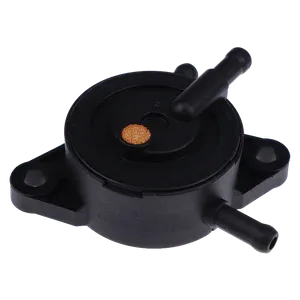
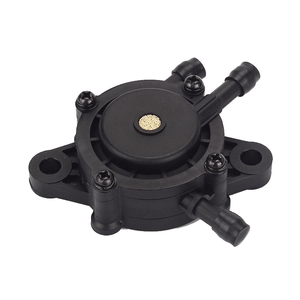
Vacuum Fuel Pump |
| Cross-Reference |
808492, 808656, 491922, 692313, 691034, BS-491922, BS-808656, BS491922, BS808656, BS-597338, BS597338, 597338, LG808656, M138498, M145667, 24 393 04-S, 24 393 16-S, 2439304-S, 2439316-S, 2439304S, 2439316S, 16700-Z0J-003, 16700-ZL8-013, 16700Z0J003, 16700ZL8013, 190 248, 190248 (reference only) |
| Machine Fitment |
161430-0199-01, 161430-0199-02, 161432-0010-01, 161432-0010-02, 161432-0011-01 through -05, 161432-0014-01, 161432-0014-02, 161432-0016-01 through -04, 161432-0020-01, 161432-0020-02, 161432-0021-01, 161432-0021-02, 161432-0023-01, 161432-0023-03, 161432-0023-04, 161432-0024-01, 161432-0024-02, 161432-0026-01, Craftsman 580.327201, White Outdoor ZT-50, ZT-54 |
| Fuel Line Size |
1/4" fuel line |
| Fuel Compatibility |
Not compatible with greater than 10% ethanol fuel |
| Type |
Vacuum type |
| Condition |
New Aftermarket |
| Warranty |
3-12 months against manufacturing defects |
| Quality Standard |
ISO 9001 |
Application Suitability
| Engine System |
Related Components |
| Horizontal engine fuel delivery |
Fuel filter, fuel line hose, carburetor needle and seat, tank vent |
| Briggs & Stratton platform portable generators |
Fuel shutoff valve, in-line strainer, carburetor overhaul kit |
| Commercial zero-turn mower fuel circuit |
Deck-mounted fuel tank, gravity feed line, primer bulb assembly |
| Kohler / John Deere / Honda small engine fuel system |
Matched diaphragm, pulse fitting, crankcase vacuum hose |
When a Fresh Pump Fails Before the Next Service Interval
The fuel system fault that destroyed the last pump will destroy the replacement unless the root cause is addressed first.
A vacuum fuel pump swap that comes back as a warranty claim within weeks almost always traces to something upstream or downstream of the pump itself. Ethanol-damaged fuel lines shed particles that lodge in the diaphragm check valves. A clogged filter the rebuilder left in place starves the new pump and forces it to work harder on every pulse stroke. A worn carburetor needle seat floods the engine, and the operator blames the pump for symptoms it never caused. I have seen rebuilt engines return with fuel delivery complaints where the only truly failed component was a ten-cent fuel filter the shop skipped [NEED_CITE: small engine fuel system diagnostic sequence for recurring delivery faults].

The Fuel System This Pump Lives Inside
This vacuum fuel pump operates in the low-pressure side of a horizontal small engine fuel delivery circuit, drawing fuel from the tank via crankcase vacuum pulses rather than mechanical cam drive. In Briggs & Stratton, Kohler, John Deere, and Honda platforms covered by the cross-reference list, it is the single active component between the tank outlet and the carburetor inlet. Every adjacent part — the fuel line, the in-line filter, the tank vent, the carburetor float bowl — directly affects whether this pump performs as designed or fails prematurely. Rebuild shops quoting a full fuel system refresh rather than a single-component swap see markedly fewer comeback complaints [NEED_CITE: vacuum pulse fuel pump failure root cause analysis in small engines].
Ethanol Limits, Diaphragm Life, and the 1/4" Line Interface
The diaphragm material in this vacuum fuel pump is rated for fuel blends up to 10% ethanol. Above that threshold, the elastomer softens and loses its ability to hold a vacuum seal on the pulse stroke, producing the same lean-starvation symptoms the rebuild was meant to cure. Regions where E15 or higher blends are common require confirmation before this pump is specified. The 1/4" fuel line barb fittings on both inlet and outlet must match the inner diameter of the tractor or generator fuel hose on each side. A mismatched barb size — common when older machines have had lines replaced with metric hose — introduces a vacuum leak that mimics pump failure exactly. Checking line ID before ordering avoids a diagnostic dead end on the bench.
Reading the Specs That Actually Matter at Rebuild Time
The vacuum type designation means this pump relies on alternating positive and negative pressure pulses from the engine crankcase, delivered through a dedicated pulse fitting or hose. If the pulse line is cracked, blocked, or disconnected, the diaphragm never actuates regardless of pump condition. The 1/4" fuel line size is the interface dimension for both ports; the actual internal flow passage is smaller, so forcing a larger hose onto the barb with clamps will not increase delivery volume and risks splitting the hose under vibration. The ethanol compatibility boundary at 10% is a material limit, not a performance recommendation — fuel blends approaching that ceiling will shorten diaphragm service life noticeably compared to ethanol-free operation. The ISO 9001 manufacturing standard governs the production process, ensuring dimensional consistency across the diaphragm chamber, check valve seats, and barb fittings from batch to batch [NEED_CITE: elastomer compatibility standards for fuel system components in small engines].
What Happens When the Wrong Pump Goes on the Engine
Fitting a vacuum fuel pump that crosses to the correct OEM reference number but was produced for a different diaphragm material specification leads to early failure in ethanol-blended fuel environments. The engine runs fine at acceptance testing, then returns weeks later with the same lean stumble the original rebuild was supposed to fix. Shops that skip the fuel line condition check and the filter replacement during a pump swap absorb the cost of a second teardown, a second round of diagnosis, and a customer who questions the shop's competence rather than the fuel quality. Missed root causes compound: a clogged tank vent creates negative pressure that collapses the new diaphragm just as reliably as the old one [NEED_CITE: recurring fuel delivery failure patterns in horizontal small engine rebuilds].
Why Sourcing This Pump Through a System-Aware Supplier Matters
Our technical team confirms the engine serial number against the specific compatible model list before releasing an order, catching suffix variants within the 161432 family that carry different fuel routing. The cross-reference verification covers superseded and alternate numbers across the entire identifier chain, so a worn nameplate showing only 491922 or BS-597338 still resolves to the correct pump. Self-produced and qualified sourced supply carry identical warranty terms under one account, so a complete fuel system refresh — pump, filter, line, carburetor kit — ships consolidated. Sample supply is available for fitment confirmation before a shop commits to bulk stock. The Guangzhou warehouse maintains stock depth on fast-failure fuel system items for rapid dispatch to rebuild shops on tight turnaround schedules.
Documentation & Verification
- Commercial invoice listing each cross-reference number matched to the order
- Part compatibility sheet confirming engine model suffix against fitment list (reference only)
- Dimensional inspection record covering barb diameter and pulse port position
- Warranty terms document specifying coverage period and defect claim procedure
- Packing photographs showing pump condition and labeling before crate closure
- HS code and customs documentation prepared for international fuel system parts shipment
Installation & Rebuild Sequence
- Verify pulse fitting or hose connection to crankcase is clear and undamaged before pump installation
- Flush fuel line from tank to pump inlet to remove debris accumulated upstream of the old unit
- Confirm 1/4" fuel line inner diameter matches barb fittings on both inlet and outlet sides
- Install new in-line fuel filter between pump outlet and carburetor inlet during the same service event
- Prime the system with ethanol-free fuel for initial start and first run-in cycle
- Check for vacuum leaks at every hose connection before closing the engine shroud
Send Your Engine Details for a Matched Fuel System Quote
Provide the engine model number, serial suffix, and any readable OEM reference from the old pump nameplate or engine data tag. If the nameplate is worn or painted over, a clear photograph of the engine model stamping and the existing pump body will let us cross-reference the correct unit. Mention whether the engine has been rebuilt previously and what ethanol blend is typical in your operating region so we can confirm diaphragm material suitability and flag any adjacent fuel system components that should be included in the same order.
Frequently Asked Questions
Q: What else in the fuel system should I replace when swapping this vacuum fuel pump?
A: Replace the in-line fuel filter and inspect the full length of fuel hose for ethanol damage, cracking, or internal delamination. Check the carburetor needle and seat for wear, verify the tank vent is unobstructed, and confirm the pulse hose from the crankcase is intact. Addressing these adjacent items during the same service event prevents the root cause from destroying the new pump within weeks.
Q: My engine model is listed but has a different suffix — does this pump still fit?
A: Suffix variations within the 161430 and 161432 families can indicate different fuel system routing, carburetor orientation, or pulse fitting location. Provide your full engine model and serial number so we can confirm whether your specific variant uses this pump configuration or requires a different cross-reference. We verify against the complete compatible model list before dispatch.
Q: Can I use E15 or higher ethanol blends with this pump?
A: This vacuum fuel pump is rated for fuel blends up to 10% ethanol only. E15 and higher blends degrade the diaphragm material and internal check valve seals, causing lean-running symptoms that mimic mechanical pump failure. If your operating region supplies E15 or higher as standard, discuss alternative fuel system configurations with our technical team before ordering.
Q: How do I confirm the right OEM cross-reference when multiple numbers are listed?
A: The cross-reference chain covers superseded and alternate numbers across Briggs & Stratton, Kohler, John Deere, Honda, and other platforms. Send us any readable number from your old pump or engine tag — even a partial or legacy reference like BS-597338 or LG808656 — and we will trace it through the supersession chain to confirm which identifier in our range matches your engine.
Q: Is this pump compatible with both gravity-fed and tank-mounted configurations?
A: This vacuum type pump is designed for crankcase pulse-actuated fuel delivery, which operates independently of tank position relative to the carburetor. Whether the fuel tank is mounted above or below the engine, the vacuum pulse from the crankcase drives diaphragm actuation. Confirm that your engine has an accessible pulse fitting or pulse hose connection before installation.