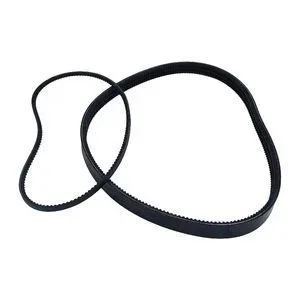
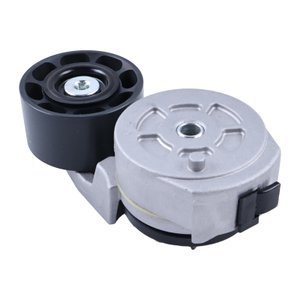
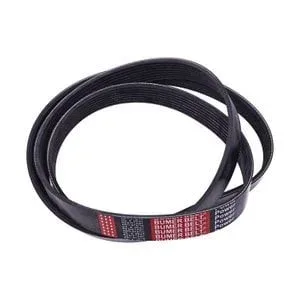
Engine Serial Variants Verified — tensioner configuration confirmed against 6BT, 6CT, and ISBE6.7 production records before dispatch to avoid fitment mismatch.
Technical Specifications
| Parameter |
Value |
| Part Number |
3976834 3957434 |
| Product Type |
Belt Tensioner |
| Cross-Reference |
3976834 (cross-reference only), 3957434 (cross-reference only) |
| Machine Fitment |
6BT5.9, 6BT, 6CT, 6CT8.3, ISBE6.7 |
| Brand Compatibility |
Cummins |
| Condition |
New Aftermarket |
| Warranty |
3–12 months against manufacturing defects |
| MOQ |
1 piece |
| Quality Standard |
ISO 9001 |
| Application Scope |
Construction equipment, mining machinery, logistics and port machinery powered by Cummins 6BT/6CT/ISBE6.7 series engines |
Application Suitability
| Engine System |
Related Components |
| Belt drive – cooling circuit |
Water pump, fan hub, drive belt, pulley alignment brackets |
| Belt drive – charging circuit |
Alternator, mounting bracket, belt routing idler |
| Belt drive – accessory drive |
A/C compressor clutch pulley, power steering pump drive |
| Overhaul refresh |
Full belt set, tensioner assembly, pulley bearings, fastener kit |
Why a Belt Tensioner Failure Is Rarely Just a Belt Tensioner Failure
The failed unit is usually the symptom, not the root cause.
When a belt drive system lets go on a 6CT8.3 or ISBE6.7, the workshop often finds glazed pulleys, fatigued tensioner springs, and misaligned brackets alongside the broken belt. Replacing the belt tensioner alone without inspecting the full circuit means the new component absorbs the same misalignment or overload that killed the last one [NEED_CITE: belt drive system root-cause analysis in heavy-duty diesel engines]. Across dozens of teardowns I have walked through in the Pearl River Delta warehouse district, repeat failures within a few hundred hours almost always trace back to an adjacent component that was not addressed during the first repair.

How the Belt Tensioner Sits Inside the Cummins Belt Drive Circuit
The belt tensioner maintains the correct load across every driven accessory — fan, alternator, water pump — on the 6BT, 6CT, and ISBE6.7 platforms. If tension drifts outside the design window, the belt either slips under load or over-presses the pulley bearings. During a belt drive system overhaul, this component is the single point that governs whether every other new part in the circuit performs to its rated life. Treat it as a system-critical item, not a throwaway consumable.
Matching the Tensioner Variant to Your Engine Serial
Cummins revised the belt drive layout across multiple production runs of the 6BT5.9 and 6CT8.3, and the tensioner configuration changed with them. Pulley diameter, arm length, and spring rate differ between early and late builds even when the base engine family stays the same [NEED_CITE: Cummins 6BT and 6CT belt drive revision history across production serial ranges]. Ordering by engine family alone is not enough — the exact serial number determines which variant of this belt tensioner fits. I always cross-check the build record before releasing stock.
Reading the Specifications That Actually Matter
The spring rate inside the tensioner arm determines how consistently it holds the belt under thermal expansion and load cycling. A weak spring lets the belt chatter at idle; an over-stiff spring accelerates pulley bearing wear. Pulley runout must stay within tight limits — any wobble transfers directly into belt edge wear and noise. The bearing sealed inside the pulley must handle continuous high-speed rotation in an environment of dust, oil mist, and thermal cycling typical of construction and mining sites. These three parameters — spring rate, runout, and bearing endurance — define whether a replacement tensioner survives its first thousand hours.
The Cost of Skipping the System Check
Install a new tensioner on a bracket that is bent two degrees out of plane, and the belt tracks off-center from the first revolution. The new unit fails prematurely, the machine goes back down, and the workshop faces a second teardown that the customer will not happily pay for [NEED_CITE: belt misalignment impact on tensioner and accessory bearing service life]. In the repair bays I have worked with, the comeback jobs almost always involve a component that was reused when it should have been replaced alongside the tensioner.
What Sets This Supply Channel Apart
Selected tensioner lines are produced in our own facility, while the remainder is sourced from ISO-certified manufacturing partners — both carry identical quality control and warranty terms. Eight product categories under one account means the belts, pulleys, gaskets, and fasteners for a complete belt drive overhaul ship in a single consignment. Minimum order is one piece, so an emergency single-unit replacement does not force you into a bulk buy. Cross-reference verification covers superseded and alternate numbers across the 6BT, 6CT, and ISBE6.7 range. Samples are available for fitment confirmation before you commit to a larger order. Our technical team confirms compatibility and variant selection against your engine serial number.
Documentation & Verification
- Commercial invoice and packing list referencing tensioner part numbers and engine model
- Cross-reference sheet mapping 3976834 and 3957434 to applicable Cummins serial ranges (reference only)
- Quality inspection record covering spring tension test and pulley runout measurement
- Warranty terms document specifying coverage period and defect claim procedure
- Packing photographs showing tensioner units secured against transit damage
- HS code and customs classification support for international belt drive component shipments
Installation & Rebuild Sequence
- Clean the mounting bracket surface and verify flatness before installing the new tensioner
- Torque the tensioner mounting bolt to the Cummins-specified value — under-torque causes bracket walk
- Route the belt per the factory diagram and verify the tensioner arm sits within its marked operating window
- Inspect all idler and driven pulleys for bearing play and surface glazing before final belt installation
- Run the engine at idle for a warm-up cycle, then re-check belt tracking and tensioner arm position
Request a Quotation With the Right Data
Send the engine model, serial number, and any previous overhaul records so we can confirm the correct tensioner variant and identify matched belt drive components. If the nameplate is unreadable, a photograph of the existing tensioner and its mounting bracket is usually enough for identification. We will return a compatibility confirmation along with the availability status.
Frequently Asked Questions
Q: What other belt drive components should be replaced together with the tensioner?
A: During any engine overhaul involving the belt drive circuit, we recommend replacing the drive belts, inspecting all idler and driven pulleys for bearing wear, and checking bracket alignment. Reusing a worn pulley alongside a new belt tensioner is a common cause of premature re-failure. A matched set from one supplier ensures compatibility across the full circuit.
Q: How do I confirm which tensioner variant fits my specific Cummins engine serial?
A: Provide the full engine serial number from the nameplate or build record. The 6BT5.9 and 6CT8.3 platforms underwent belt drive revisions across production runs, and the tensioner arm length, pulley diameter, and spring rate may differ. We verify the correct variant against cross-reference data before confirming your order.
Q: Are 3976834 and 3957434 interchangeable on all 6BT and 6CT engines?
A: Not universally. These cross-reference numbers cover specific production ranges and engine configurations within the 6BT, 6CT, and ISBE6.7 families. Some serial ranges require one number while others require the alternate. Always confirm against your engine build record before ordering to avoid fitment issues on the bench.
Q: What system-level faults should I check before installing a new tensioner?
A: Inspect the mounting bracket for bending or fatigue cracks, check all pulley bearings for axial and radial play, and verify that the water pump and alternator shafts rotate freely. A seized or dragging accessory will overload the new tensioner immediately. Addressing root-cause faults prevents the replacement from repeating the same failure cycle.
Q: Can I order a matched belt and tensioner set for a full engine overhaul kit?
A: Yes. We supply matched belt drive components — tensioner, belts, idler pulleys, and fasteners — under one order and one warranty. Consolidating the belt drive refresh into a single consignment eliminates split shipments and ensures all components are compatible with your specific Cummins engine serial range.