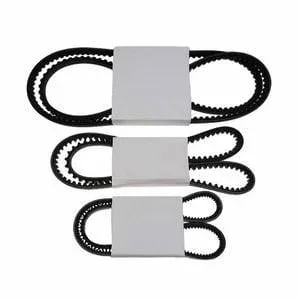
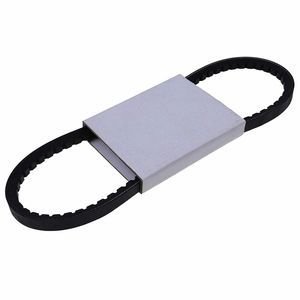
Engine Rebuild Matched Set — Three-belt kit verified against Thermo King SB serial variants to ensure correct routing and tension across the complete drive system.
Technical Specifications
| Parameter |
Value |
| Product Type |
Belt Set |
| Part Number |
78-1341/78-603/78-629 |
| Cross-Reference |
78-1341 (reference only), 78-603 (reference only), 78-629 (reference only) |
| Machine Fitment |
SB 100, SB 110, SB 130, SB 190, SB 200, SB 210, SB 210+, SB 230, SB 230+, SB 300, SB 310, SB 310+, SB 330, SB 400, SB 30 Multi-Temp, SB 30, Spectrum DE |
| Set Content |
1 PC Alternator Belt (78-1341), 1 PC Fan Belt (78-603), 1 PC Engine/Idler Belt (78-629) |
| Material Composition |
EPDM rubber compound with aramid cord reinforcement |
| Operating Temperature |
-20°C to +50°C |
| Alternator Belt Profile |
Cog profile |
| Fan Belt Feature |
Lateral rigidity ribs |
| Engine/Idler Belt Deflection |
6–8 mm at 10 kgf |
| Condition |
New Aftermarket |
| Warranty |
6-month warranty against manufacturing defects |
| Standards |
ISO 9001, SAE J1459, ISO 10816-3 |
Application Suitability
| Engine System |
Related Components |
| Alternator Drive |
Voltage regulator, alternator bearings, wiring harness connections |
| Cooling Fan Drive |
Fan clutch assembly, fan hub bearings, radiator shroud alignment |
| Compressor/Idler Drive |
Tensioner assembly, idler pulley bearings, compressor clutch coil |
| Full Engine Overhaul |
Crankshaft pulley, harmonic balancer, front cover seals |
Why the Entire Belt Drive System Fails Together
Replacing a single broken belt without addressing the remaining drive components is the most common cause of repeat refrigeration unit failure. A matched belt set ensures uniform tension, aging, and material response across all driven accessories.
When one belt in the system fails, the others have already endured the same thermal cycles, ozone exposure, and operational hours. Leaving aged belts in place forces the new component to carry a disproportionate load, accelerating wear on the fresh installation [NEED_CITE: SAE J1459 belt testing standards for transport refrigeration]. In Chilean mining logistics, I have seen operators replace only the snapped belt, only to face another breakdown weeks later when a neighboring belt surrenders under the uneven tension.

System-Level Belt Drive Architecture
The Thermo King SB series engine relies on three distinct belt circuits to power critical refrigeration functions. This Belt Set engine rebuild package addresses the alternator, cooling fan, and engine/idler circuits as an integrated system rather than isolated components.
During a full engine overhaul or compressor rebuild, technicians gain access to the complete belt routing path. This is the logical window to install a fresh matched set, as the labor to reach individual belts later duplicates teardown effort and extends machine downtime unnecessarily.
Matching Belt Specifications to Engine Variants
Different SB production runs introduced variations in pulley diameter, tensioner arm geometry, and accessory mounting positions. The SB 200 through SB 400 range spans multiple engine generations, each with specific belt length and profile requirements.
Confirming the exact serial prefix and controller type (such as DE-equipped SB 400 units) prevents misrouting or incorrect tension application [NEED_CITE: Thermo King service bulletin on SB variant identification]. The cog-profile alternator belt suits high-load 12V/80A charging circuits, while the lateral-rib fan belt resists high-RPM flutter that causes premature edge wear.
Material Behavior Under Thermal Cycling
EPDM compound with aramid reinforcement maintains flexibility and tensile strength across the -20°C to +50°C operating envelope typical of transport refrigeration duty. Standard neoprene formulations harden and crack when exposed to ozone and repeated cold-to-hot transitions.
The 6–8 mm deflection tolerance on the engine/idler belt protects pulley bearings from over-tensioning while maintaining sufficient grip to prevent compressor stall under peak load. Proper deflection also reduces harmonic vibration that accelerates bearing wear in the tensioner and idler assemblies [NEED_CITE: ISO 10816-3 vibration severity standards for rotating machinery].
The Hidden Cost of Partial System Replacement
Installing one new belt alongside two aged companions creates uneven load distribution that shortens the life of all three components. The stiffer new belt pulls harder on shared pulleys, accelerating wear on the tensioner bearing and misaligning adjacent circuits.
Fleet operators running high-cycle start-stop routes experience compounding downtime when partial replacements fail in sequence. Each repeat teardown adds labor cost and delays cargo delivery, eroding the perceived savings of buying individual belts rather than the complete set [NEED_CITE: transport refrigeration fleet maintenance cost analysis].
Why Source This Set Through Our Channel
Our production and sourcing lines operate under unified quality control, meaning both self-manufactured and partner-sourced belts carry identical inspection protocols and warranty terms. This eliminates the scenario where belts from different suppliers age at different rates due to compound variation.
The eight-category product range allows consolidation of belt sets with associated tensioners, pulleys, filters, and seal kits into a single shipment, reducing freight splits and customs clearance complexity. Technical verification from machine model or photograph resolves identification when nameplates are illegible or part numbers have been superseded across production generations.
Sample supply before bulk commitment lets rebuild shops confirm fitment on a single unit before committing to fleet-scale orders, preventing costly misapplication across incompatible variants.
Documentation & Verification
- Commercial invoice listing all three belt part numbers with cross-reference notation
- Compatibility sheet confirming SB model and serial range coverage
- Tensile pull test and dynamic tension cycling records for the batch
- Six-month warranty terms covering manufacturing defects with full replacement
- Packing photographs showing belt condition and labeling before dispatch
- HS code classification support for customs clearance in destination markets
Installation & Rebuild Sequence
- Verify pulley alignment and tensioner arm travel before routing the Belt Set engine overhaul components
- Install the engine/idler belt first, checking 6–8 mm deflection at 10 kgf before proceeding
- Route the fan belt with lateral ribs facing outward, confirming full seating in all grooves
- Seat the cog-profile alternator belt last, ensuring no twist or partial engagement on pulleys
- Run engine at idle for initial tension settling, then recheck deflection after thermal stabilization
Requesting a Fitment-Confirmed Quote
Provide the exact SB model designation, serial number prefix, and controller type to receive a belt set matched to your specific engine variant. Including photographs of the existing belt routing or nameplate accelerates cross-reference verification and eliminates guesswork on superseded part numbers.
Frequently Asked Questions
Q: What components are included in the set, and should all three be replaced simultaneously?
A: The set contains one alternator belt, one fan belt, and one engine/idler belt. Replacing all three together ensures uniform aging, consistent tension distribution, and eliminates the labor duplication of accessing individual belts during later service events.
Q: How do I confirm the correct set for my specific SB unit variant?
A: Provide the full model designation (e.g., SB 310+ or SB 400 DE) along with the serial number prefix. Belt routing and tension specifications vary across production generations, and cross-reference verification confirms compatibility with your exact engine build.
Q: What adjacent components should be inspected during belt system service?
A: Examine the tensioner assembly for arm wear and bearing play, check idler pulley bearings for roughness, and verify alternator and fan hub bearings for axial movement. Worn tensioners cause premature belt failure regardless of belt quality.
Q: Does this set cover units with superseded part numbers from earlier production?
A: The cross-reference numbers cover current and superseded designations. Providing your unit's serial range allows verification that the correct length and profile variant ships, even for older SB models where original numbers have been updated.
Q: What system symptoms indicate belt drive failure rather than accessory failure?
A: Compressor overload trips, alternator voltage drop under load, and fan stall at high RPM often trace to belt slip rather than component malfunction. Checking belt tension and condition before replacing expensive accessories avoids unnecessary parts expenditure.