Engine Sequence Variant Confirmed — Carrier Ultima XTC and X2 belt drive configurations verified against unit serial range before dispatch.
Technical Specifications
| Parameter |
Value |
| Part Number |
50-00178-19 |
| Cross-Reference |
500017819, 50-0017819, CP10615, CP-10615 (reference only) |
| Product Type |
Belt |
| Machine Fitment |
Ultima XTC, ULTRA XL, ULTRA XTC, ULTRA XT, ULTRA, X2 1800, X2 2100, X2 2100A, X2 2100R, X2 2500A, X2 2500R |
| Brand Compatibility |
Carrier (replacement for) |
| Condition |
New Aftermarket |
| Cord Material |
High-tensile polyester cords |
| Compound |
Heat-resistant rubber compounds |
| Quality Standard |
ISO 9001 |
| Warranty |
3-12 months against manufacturing defects |
Application Suitability
| Engine System |
Related Components |
| Compressor drive assembly |
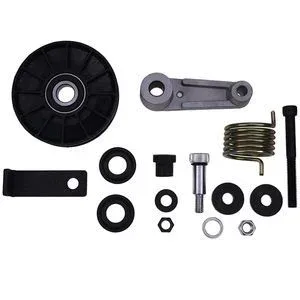
Compressor clutch, pulley bearing, tensioner spring |
| Condenser fan drive |
Fan hub, idler pulley, alignment bracket |
| Auxiliary drive loop |
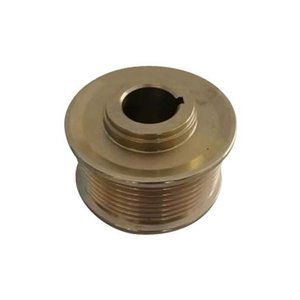
Crankshaft pulley, harmonic balancer, belt guard hardware |
Root Cause Often Outlives the Broken Belt
A snapped belt is the symptom, not the disease — the real failure lives in the pulley bearing or tensioner that was never replaced.
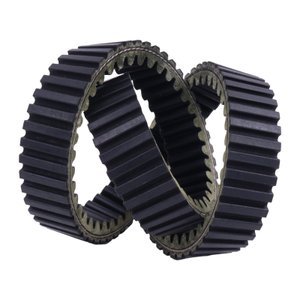
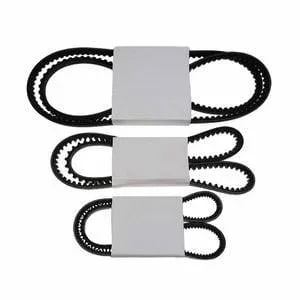
When a Carrier Ultima XTC or X2 transport refrigeration unit loses its belt mid-haul, the knee-jerk repair is to thread on a new Belt 50-00178-19 replacement for Carrier Ultima XTC X2 transport refrigeration engine belt drive system and send the truck back out. The pulley that wobbled enough to shred the previous belt, however, is still spinning on a worn bearing. Within a few service cycles the replacement belt shows identical cracking and edge fraying. Rebuild shops in the Gulf region see this loop repeatedly — a unit returns to the bench three or four times before someone finally pulls the tensioner and measures run-out [NEED_CITE: transport refrigeration belt drive failure root cause analysis]. The cumulative downtime from chasing symptoms instead of causes quietly eclipses the cost of a full belt drive inspection.

Where This Belt Sits Inside the Refrigeration Power Path
The belt transmits crankshaft torque to both the compressor clutch and the condenser fan on Ultima XTC and X2 series units. It is the single mechanical link whose failure stops all cooling. Treating it as an isolated consumable ignores the drive loop it belongs to; the compressor pulley, idler, and tensioner share the same thermal cycling and vibration environment, so their wear state directly governs belt life.
What the Previous Failure Is Trying to Tell You
Edge wear concentrated on one side points to pulley misalignment rather than normal abrasion. Glazing across the belt face signals a tensioner that has lost spring force, letting the belt slip under compressor load. A clean snap through the cord usually means a seized idler bearing generated enough heat to degrade the rubber compound. Reading these patterns before ordering prevents the Belt 50-00178-19 replacement for Carrier Ultima XTC X2 transport refrigeration engine belt drive system from becoming a recurring line item [NEED_CITE: belt wear pattern diagnosis in transport refrigeration service manuals].
Reading the Material Specification Against Operating Reality
The high-tensile polyester cords provide the tensile member that resists stretch under compressor start-up torque, while the heat-resistant rubber compound must endure condenser discharge air that routinely exceeds ambient by a wide margin. If the compound were standard chloroprene, repeated thermal cycling between desert daytime and cold-box return would accelerate surface cracking. The specified compound resists glazing and maintains grip across the pulley groove profile, keeping slip-induced heat from compounding the thermal load the belt already carries.
The Cost of Skipping the Adjacent Component Check
Replacing only the belt while a worn tensioner remains in place guarantees a second failure within a short service window. The truck returns to the workshop, the cold chain cargo is already compromised, and the repair invoice now includes a second labour charge plus cargo loss assessment. Shops that pull the tensioner and idler during every belt swap report meaningfully fewer repeat visits for the same unit serial number [NEED_CITE: fleet maintenance cost impact of incomplete belt drive service].
Why Rebuild Shops Route Belt Drive Orders Here
Self-produced and sourced lines sit under one account and one warranty, so the belt, tensioner, and pulley ship with identical quality terms. Eight product categories allow a complete drive-system overhaul to consolidate into a single consignment rather than fragmenting across three suppliers. One-piece minimum means an emergency single-belt order moves without waiting for a batch. Guangzhou warehouse stock on fast-failure items keeps common belt drive components ready for same-day dispatch. Part identification works from a worn part number, a machine model plate, or a workshop photograph when the nameplate is painted over. Cross-reference verification catches superseded and alternate numbers before the order ships.
Documentation & Verification
- Commercial invoice lists each belt drive component with its own cross-reference number marked reference only
- Dimensional check on belt length and tooth profile recorded before packing
- Warranty terms sheet specifies coverage period matched to belt drive duty cycle
- Packing photographs show belt coiling and protective sleeve condition
- HS code and customs paperwork prepared for refrigeration parts export
Installation & Rebuild Sequence
- Inspect compressor clutch and fan hub bearing play before threading the new belt
- Verify tensioner spring force and idler run-out against unit service manual limits
- Align pulley grooves using a straight-edge across crankshaft, compressor, and idler faces
- Set belt deflection to specification and re-check after the first thermal cycle
- Run the unit under load and confirm no abnormal noise or belt tracking drift
Preparing Your Inquiry
Provide the Carrier unit model, serial number, and any legible numbers from the old belt or nameplate. If the plate is unreadable, a clear photograph of the compressor and crankshaft pulley layout allows the technical team to confirm the correct belt drive variant and identify which adjacent components should ship in the same overhaul package.
Frequently Asked Questions
Q: What other belt drive components should be inspected when replacing this belt?
A: Check the compressor clutch pulley bearing for axial play, the idler pulley for free rotation without grating, and the tensioner arm for consistent spring return. Inspect all pulley grooves for polishing or hook wear that would reduce grip on the new belt. Replacing worn adjacent parts at the same time prevents the new belt from inheriting the same failure mode within weeks.
Q: How do I confirm the correct belt variant for my Carrier unit serial number?
A: Share the full unit serial number or a photograph of the data plate. Carrier revised belt drive layouts across Ultima XTC and X2 production runs, so pulley diameter and belt length can differ within the same model family. Cross-reference verification against your serial range confirms the exact variant before the order is released.
Q: Can I order the belt together with tensioners and pulleys as a matched set?
A: Yes. All belt drive components for the same unit can be consolidated under one order and one warranty. Matching the belt with a new tensioner and idler at the same time ensures consistent wear across the drive loop and avoids a second shutdown when the next weakest component reaches end of life.
Q: What caused the previous belt to fail, and how do I prevent recurrence?
A: Common root causes include a seized idler bearing generating excess heat, a weak tensioner allowing slip under compressor load, and pulley misalignment wearing one belt edge. Reading the wear pattern on the removed belt identifies which component to address. Correcting the cause rather than only swapping the belt stops the failure cycle.