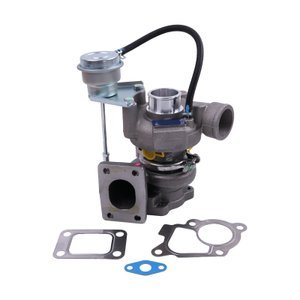
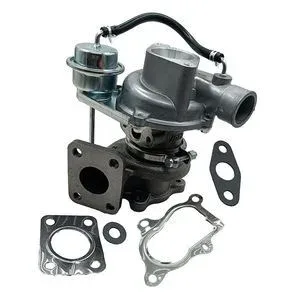
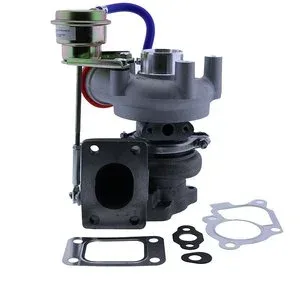
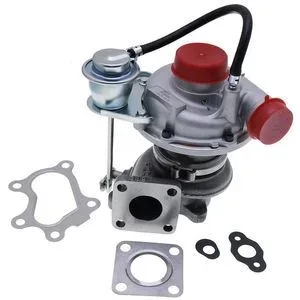
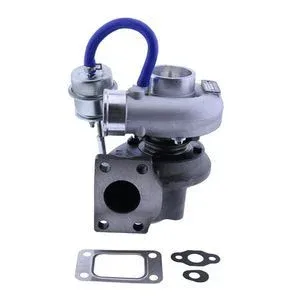
Matched Sets Shipped — Every TD04L4 turbocharger order includes verified cross-reference confirmation and matched gasket recommendations for Kubota V3307-DI rebuilds.
Technical Specifications
| Parameter |
Value |
| Part Number |
1J774-17010, 1J774-17012, 1J774-17013, 1J774-17014, 1J774-17015, 1J774-17016, 49177-03250, 49177-03251, 49177-03252, 49177-03253, 49177-03254 |
| Product Type |
Turbocharger |
| Cross-Reference |
1J774-17010, 1J774-17012, 1J774-17013, 1J774-17014, 1J774-17015, 1J774-17016, 49177-03250, 49177-03251, 49177-03252, 49177-03253, 49177-03254 (for identification purposes) |
| Machine Fitment |
SVL75-2, SVL75-2C |
| Turbo Model Variants |
TD04L4, TD04L4-09T, TD04L4-09TK3-5.0 |
| Engine Fitment |
Kubota V3307-DI-T-E3B, V3307-DI-TE3-Q |
| Compressor Wheel Material |
Forged aluminum |
| Turbine Housing Material |
Nickel-chromium alloy |
| Seal Material |
Viton |
| Seal Temperature Rating |
200°C continuous operation |
| Condition |
New Aftermarket |
| Warranty |
3–12 months against manufacturing defects |
| MOQ |
1 piece |
| Standards |
ISO 9001 |
Application Suitability
| Engine System |
Related Components |
| Intake & exhaust system overhaul |
Exhaust manifold gasket, intake hose clamps, intercooler seals |
| Lubrication circuit servicing |
Oil feed line O-rings, oil drain gasket, oil supply line |
| Emission system maintenance |
EGR valve gasket, EGR cooler seals, air filter element |
| Complete engine rebuild |
Full overhaul gasket set, piston rings, bearing shells, turbo mounting hardware |
Why the Same TD04L4 Part Number Ships in Multiple Variants
Variant selection depends on engine tune state and emission tier, not just the base part number.
Replacing a TD04L4 turbocharger on a Kubota V3307-DI engine without confirming the specific variant means the new unit may deliver incorrect boost pressure, trigger compressor surge under load, or fail to meet emission calibration requirements. I have documented cases in mining operations where the wrong variant was installed based solely on the base number, leading to repeat failure within weeks. The V3307-DI-T-E3B and V3307-DI-TE3-Q engines use different turbo calibrations, and the TD04L4, TD04L4-09T, and TD04L4-09TK3-5.0 variants correspond to distinct airflow maps. [NEED_CITE: turbocharger variant selection criteria for diesel engine emission tiers]

The Turbocharger Within the V3307-DI Intake and Exhaust System
This TD04L4 turbocharger sits at the junction of the intake and exhaust circuits on the Kubota V3307-DI engine. It draws filtered air through the intake manifold, compresses it, and feeds the combustion chambers while exhaust gases spin the turbine wheel. The turbocharger interacts directly with the lubrication circuit through its oil feed and drain lines, and with the exhaust manifold through its flange connection. Any turbocharger replacement for Kubota V3307-DI engines must account for these adjacent systems to avoid repeat failure.
Upstream Conditions That Destroy Turbochargers Before Their Time
Carbon buildup in the combustion chamber increases exhaust gas temperature beyond what the turbine housing was designed to handle. Excessive crankcase pressure forces oil past the turbo shaft seal, contaminating the compressor side and reducing boost efficiency. Degraded oil quality starves the shaft journal bearings, leading to accelerated wear and eventual shaft play exceeding service limits. Addressing these root causes alongside the TD04L4 turbocharger engine rebuild replacement for Kubota V3307-DI prevents the new unit from failing for the same reason the previous one did. [NEED_CITE: common upstream causes of premature turbocharger failure in compact diesel engines]
Reading the Specifications That Matter During Installation
The forged aluminum compressor wheel provides high strength-to-weight ratio, allowing rapid spool-up at lower engine RPM where compact track loaders operate most frequently. The nickel-chromium alloy turbine housing resists thermal fatigue from repeated heat cycles typical in quarry loading and earthmoving duty. Viton seals rated to 200°C continuous operation maintain integrity where cheaper elastomers harden and crack, preventing oil leakage into the intake tract. The shaft journal surface finish and hardness specification govern bearing life — any deviation accelerates wear and increases shaft play beyond acceptable limits during the turbocharger's service life.
The Cost of Skipping Root-Cause Diagnosis Before Turbo Replacement
Installing a new turbocharger without inspecting the oil feed line for restriction, the EGR circuit for coking, and the air filter housing for bypass means the same contamination pathway that destroyed the old unit remains open. A repeat failure then requires a second teardown, a second set of gaskets and seals, and additional machine downtime that far exceeds the cost of doing the diagnostic work the first time. [NEED_CITE: cost impact of repeat turbocharger failure due to unresolved upstream contamination]
Why Engine Rebuild Shops Source Turbocharger Kits Through This Channel
Production lines and qualified sourcing partners operate under the same QC and warranty terms, so both self-produced and sourced turbocharger units carry identical coverage. Eight product categories ship under one account, meaning a complete V3307-DI rebuild order — turbocharger, gasket set, bearing shells, piston rings — consolidates into a single consignment. Orders start from one piece, so a single emergency turbo replacement ships without minimum quantity barriers. Part identification works from a part number, machine model, photograph, or nameplate image when the original plate is worn or painted over. Cross-reference verification covers superseded and alternate numbers across production years. A sample turbocharger is available for fitment confirmation before a fleet-level commitment is made.
Documentation & Verification
- Commercial invoice and packing list itemizing turbocharger part number and variant
- Compatibility and cross-reference sheet marking all OEM numbers as reference only
- Quality inspection record covering boost pressure test and shaft play measurement
- Warranty terms specifying manufacturing defect coverage and installation requirements
- Packing photographs showing turbocharger protection during transit
- HS code and customs documentation support for international shipments
Installation & Rebuild Sequence
- Inspect oil feed line for restriction and replace O-rings before mounting the TD04L4 turbocharger
- Clean exhaust manifold flange surface and verify gasket seating before torquing turbine housing
- Prime the turbocharger oil cavity before initial startup to prevent dry bearing damage
- Verify intake hose clamp torque and inspect intercooler connections for leaks post-installation
- Run the engine at idle for several minutes to confirm oil flow and check for abnormal shaft noise
What We Need to Confirm the Correct Variant
Provide the engine model, engine serial number, and emission tier designation so the correct TD04L4 variant can be locked. If the existing turbocharger nameplate is readable, share a photograph for cross-reference verification. For engines with prior rebuild history, note any oversize components or variant substitutions made during previous overhauls.
Frequently Asked Questions
Q: What other parts should be replaced at the same time as the turbocharger on a V3307-DI engine?
A: The exhaust manifold gasket, oil feed line O-rings, oil drain gasket, and intake hose clamps should all be replaced as a matched set during turbocharger installation. These consumables prevent post-installation leaks that lead to warranty disputes and repeat teardowns. Ordering them alongside the turbocharger ensures the complete job ships in one consignment.
Q: How do I confirm which TD04L4 variant fits my specific engine serial?
A: Provide the full engine serial number and emission tier marking from the engine nameplate. The V3307-DI-T-E3B and V3307-DI-TE3-Q use different turbo calibrations, and the correct variant is confirmed against production records. A photograph of the existing turbocharger nameplate helps verify superseded numbers.
Q: What upstream engine conditions cause premature turbo failure on the V3307-DI?
A: Carbon buildup raising exhaust temperature, excessive crankcase pressure forcing oil past shaft seals, and degraded oil quality starving journal bearings are the most common upstream causes. Diagnosing and resolving these conditions before installing the replacement turbocharger prevents the new unit from failing for the same systemic reason.
Q: Does the overhaul gasket kit include turbo mounting gaskets, or are those ordered separately?
A: Standard overhaul gasket sets typically cover block and head gaskets but may not include turbo-specific flange gaskets and oil line seals. Confirm the kit contents against the turbocharger installation requirements and order any missing items as a matched set to avoid split shipments.
Q: Can I get a sample turbo for fitment verification before committing to a fleet order?
A: Sample units are available for physical fitment confirmation on your specific machine before bulk quantities are committed. This is particularly useful when working with older SVL75-2 units where nameplate data may be incomplete or where previous rebuilds may have introduced non-standard configurations.