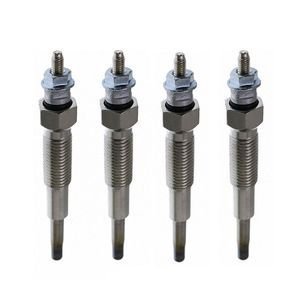
System-Matched Glow Plug Set — Batch resistance verified across matched units to ensure balanced cylinder pre-heating on Perkins 404D-22 series.
Technical Specifications
| Parameter |
Value |
| Part Number |
185366190 |
| Product Type |
Glow Plug |
| Cross-Reference |
185366190, TPN257, 185366092, 185366180, 185366060, 185366210, T436932 (reference only) |
| Machine Fitment |
FG Wilson P10P2S, P11-4S, P11-6S, P11E2S, P12.5P2, P13.5-4, P13.5-6, P13.5E2, P13P2S, P14-4S, P14-6S, P14E2S, P15P2S, P16.5-4S, P16.5-6S, P16.5E2S, P16.5P2, P17.5E2S, P18E2, P20P2, P22-4, P22-6, P22E2, PH22E2, PH24E2S, PH28E2S, PH30E2, PH35E2; AKSA APD-EPAP13, APD-EPAP13S, APD-EPAP20, APD-EPAP20S, APD-EPAP28, APD-EPAP28S, APD-ULP13, APD-ULP20, APD-ULP28; ASC Posi-Track RC-50, RC-60; JCB TLT30, TLT30D; Takeuchi TW40, TS50R, TS50V, TS60R, TS60V, TW50; Terex PT-30, PT-50, PT-60, TSR-50, TSV-50, TSR-60, TSV-60 |
| Heating Element Material |
Nichrome |
| Housing Material |
Stainless Steel |
| Insulator Material |
Ceramic |
| Thread Size |
M12×1.25 |
| Condition |
New Aftermarket |
| Warranty |
6 months against manufacturing defects |
| MOQ |
1 piece |
| Standards |
ISO 9001, ISO 10067 |
Application Suitability
| Engine System |
Related Components |
| Cold-start auxiliary system |
Glow plug relay, wiring harness, battery terminals |
| Fuel delivery and atomization |
Injector nozzles, fuel return lines, lift pump |
| Combustion chamber sealing |
Cylinder head gasket, valve stem seals |
| Electrical charging circuit |
Alternator output cables, voltage regulator |
| Engine management sensors |
Coolant temperature sensor, intake air heater |
Why Cold-Start Failures Are Rarely Just a Bad Plug
A single failed glow plug usually signals that the entire set has drifted beyond serviceable resistance limits.
In my years working on engine bays across the Yangtze River Delta, I watched crews swap one burned-out plug on a Perkins 404D-22 and send the machine back into the cold. Two mornings later the operator reports white smoke and cranking failure on another cylinder. The Glow Plug engine replacement for Perkins 404D-22 must be treated as a matched set because resistance values shift unevenly as nichrome elements age. [NEED_CITE: diesel cold-start system diagnostics for indirect injection engines]
When a generator set refuses to fire in sub-zero weather, the reflex is to blame the plugs. But relay switching delay, corroded harness connections, and cranking voltage drop all produce identical symptoms. Replacing the plug without measuring circuit integrity leads to repeat comebacks and eroded trust between repair shop and equipment owner.

Matching Resistance Across All Four Cylinders
Each cylinder depends on identical pre-heat timing to achieve balanced ignition. When a Glow Plug engine replacement for Perkins 404D-22 is installed in isolation, the remaining aged units continue drawing different current levels, creating uneven thermal distribution across the combustion chambers. This imbalance manifests as rough idle, partial combustion, and accelerated carbon accumulation on injector tips. Procuring a verified matched set eliminates the variable and restores uniform cranking behavior.
The System-Level Fault Behind the Failed Element
Glow plug burnout is frequently a symptom, not the root cause. Injector spray pattern degradation leaves unburned fuel pooling around the plug tip, and repeated thermal cycling beyond design limits erodes the ceramic insulator. I have traced premature plug failure back to a sticking fuel return valve that flooded the pre-chamber during shutdown. [NEED_CITE: diesel injector spray pattern effect on glow plug service life] Addressing the upstream fuel and electrical faults during plug replacement prevents the new set from following the same failure path within weeks.
Decoding Thread Depth and Tip Geometry Variants
The 404D-22 engine family shares base architecture across naturally aspirated, turbocharged, and turbocharged-aftercooled variants. Combustion chamber castings differ between these builds, and tip protrusion tolerance must align with the specific head geometry. A plug seated too deep fails to heat the air charge effectively; one protruding too far risks piston crown contact. Verifying engine serial number against the fitment list before ordering eliminates the guesswork that leads to stripped threads or no-start conditions.
What Nichrome and Stainless Steel Deliver in Sub-Zero Starts
The nichrome heating element reaches target temperature rapidly under high initial current draw, then the integrated regulation coil reduces current to prevent burnout during extended cranking. Stainless steel housing resists the corrosive combustion environment where sulfur and moisture combine to attack exposed carbon steel. The ceramic insulator maintains dielectric separation between the heating circuit and the cylinder head mass, preventing current bleed that would otherwise rob the tip of thermal energy. [NEED_CITE: glow plug heating element material performance in diesel combustion chambers]
The Rework Cost of Skipping Root-Cause Diagnosis
Shops that replace plugs without checking injector condition and relay timing find themselves reopening the same engine within a month. The labor cost of extracting a seized plug from a cast iron head — especially one carbon-welded after incomplete combustion cycles — far exceeds the time spent on systematic diagnosis upfront. Repeat cold-start failures also mean the machine sits idle during the exact weather window when rental revenue or project deadlines are most demanding. [NEED_CITE: diesel engine cold-start system troubleshooting sequence]
What This Supply Channel Brings to the Rebuild Bench
Own production on selected engine auxiliary lines plus qualified sourced supply, both covered under a single warranty account, means the glow plug set arrives with the same quality documentation as a full overhaul gasket kit. Eight product categories under one order number let a repair center consolidate plugs, injector seals, head gaskets, and coolant hoses into a single consignment — eliminating the freight mismatch that leaves machines waiting on the last component. Minimum order of one piece supports emergency single-engine repairs without forcing bulk commitments. Cross-reference verification covers superseded and alternate part numbers, so a worn nameplate or outdated service manual does not block procurement. Technical support confirms thread depth, tip geometry, and resistance tolerance before the order ships, reducing the chance of a no-fit situation on the bench.
Documentation & Verification
- Commercial invoice listing each plug with batch resistance data
- Cross-reference sheet mapping 185366190 and TPN257 to engine serial ranges (reference only)
- Dimensional inspection record confirming M12×1.25 thread and tip protrusion
- Six-month warranty terms covering manufacturing defect claims
- Packing photographs showing protective caps on heating tips before crate closure
- HS code classification support for customs clearance documentation
Installation & Rebuild Sequence
- Clean glow plug bore threads with a dedicated M12×1.25 tap before installation to remove carbon deposits
- Apply anti-seize compound rated for combustion temperatures to prevent galvanic bonding with the cylinder head
- Torque each plug to the manufacturer-specified value to maintain tip protrusion within tolerance
- Measure circuit resistance at the harness connector before reassembly to confirm relay and wiring health
- Run initial cranking cycle without fuel injection to verify glow plug current draw across all cylinders
Requesting a System-Level Compatibility Check
Submit your engine serial number and any previous rebuild documentation so we can confirm thread depth and tip geometry for your specific 404D-22 variant. If you are planning a full cold-weather maintenance campaign across a generator fleet, share the unit list and we will cross-reference each engine build against the compatibility sheet. Photos of the existing plug and nameplate accelerate identification when part numbers are illegible.
Frequently Asked Questions
Q: Should I replace all glow plugs at once or only the failed one?
A: Replacing the full set restores balanced resistance across all cylinders. A single new plug alongside aged units creates uneven pre-heating, rough idle, and accelerated carbon buildup. The labor to access the plugs is already spent — installing a matched set prevents a comeback within weeks.
Q: What other cold-start system components should I inspect during replacement?
A: Check glow plug relay switching time, wiring harness resistance at each connector, battery cranking voltage, and injector spray pattern. A faulty relay or corroded terminal produces the same no-start symptom as a burned plug. [NEED_CITE: diesel cold-start electrical circuit diagnostic procedure]
Q: How do I confirm which glow plug variant fits my specific Perkins 404D engine serial?
A: Engine serial number determines combustion chamber casting and required tip protrusion. Share your serial with our technical team for cross-reference verification against the fitment list. The 404C-22 and 404D-22 share base numbers but may differ in thread engagement depth.
Q: My old part number differs from 185366190 — is it still the correct replacement?
A: Multiple superseded and alternate numbers exist for this application, including TPN257 and 185366092. Provide the old number or engine serial for cross-reference confirmation. Our verification covers discontinued references carried forward through manufacturer revisions.
Q: What engine system checks should accompany a glow plug replacement to prevent repeat failure?
A: Inspect injector nozzles for spray pattern degradation and fuel return volume for signs of internal leakage. Incomplete combustion from worn injectors accelerates plug carbon buildup. Addressing the fuel system root cause extends the service life of the new glow plug set meaningfully.