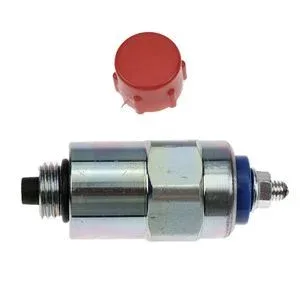
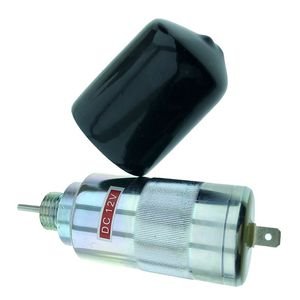
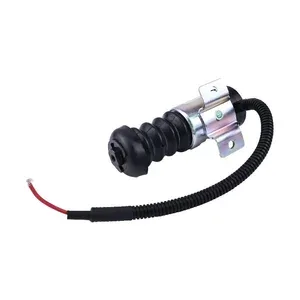
Matched Sets Shipped — Coil resistance and actuation stroke verified against D-series engine serial variants before dispatch.
Technical Specifications
| Parameter |
Value |
| Part Number |
1G820-60022 |
| Product Type |
Stop Solenoid |
| Cross-Reference |
1G820-60010, 1G820-60012, 1G820-60020, 1G82060022, 1G82060010, 1G82060012, 1G82060020 (reference only) |
| Machine Fitment |
K008-5, KX018-4, KX41-3, U15, U17, SCL1000 |
| Voltage |
12V DC |
| Valve Body Material |
Brass |
| Engine Fitment |
Kubota D722, D782, D902 |
| Sealed Design |
Water and debris ingress prevention |
| Condition |
New Aftermarket |
| Warranty |
3-12 months against manufacturing defects |
| MOQ |
1 piece |
| Standards |
ISO-certified manufacturing |
Application Suitability
| Engine System |
Related Components |
| Fuel Shutoff Circuit |
Ignition switch, wiring harness terminals, fuel cutoff relay |
| Injection Pump Assembly |
Pump rack linkage, fuel line connections, governor springs |
| Engine Overhaul Refresh |
Upper gasket set, fuel filter, injection nozzles |
| Electrical Safety Loop |
Fuses, circuit breaker, dashboard warning indicators |
Why Replaced Solenoids Fail Weeks After an Engine Overhaul
A new stop solenoid engine fuel shutoff rebuild that fails prematurely usually points to an unresolved upstream fault, not a defective component.
When an engine rebuild shop tears down a D722 or D902 and installs a fresh fuel cutoff solenoid, the expectation is a clean start. Yet callbacks happen. The solenoid coil burns out, or the plunger sticks mid-stroke. In our experience supporting rebuild facilities across North American and Central Asian channels, these repeat failures trace back to voltage drops in aging harness sections, a binding injection pump rack that overloads the coil, or relay contacts that deliver intermittent current. The solenoid is the symptom receiver, not the root cause [NEED_CITE: diesel engine fuel shutoff circuit diagnostic procedures]. Addressing the fuel system as an interconnected loop — rather than swapping the stop solenoid engine fuel shutoff rebuild in isolation — is the difference between a reliable restart and a warranty claim.

Tracing the Fault Path Through the Fuel Shutoff Subsystem
The stop solenoid engine fuel shutoff rebuild sits at the terminal end of a circuit that begins at the ignition switch, passes through a relay and fuse, and travels along the wiring harness to the solenoid connector. When diagnosing a no-shutdown or no-start condition, technicians often replace the solenoid first because it is accessible. However, if the harness connector terminals show corrosion or the relay contacts are pitted, the new unit inherits the same electrical starvation. Verifying voltage at the connector under load, before ordering replacement parts, eliminates guesswork and prevents a second teardown.
Serial Variants Across the D722, D782, and D902 Family
Kubota's D-series engines span multiple serial ranges, and internal build revisions affect solenoid mounting geometry, plunger stroke length, and connector orientation. An early-production D902 may use a different mounting flange than a later build, even though the base engine family is the same. Cross-referencing the engine serial number against the interchange table — including superseded numbers like 1G820-60010 and 1G820-60012 — ensures the correct variant ships [NEED_CITE: Kubota D-series engine serial range identification methods]. Guessing from a worn nameplate risks receiving a solenoid that physically mounts but cannot fully engage the injection pump rack.
Reading Voltage, Stroke, and Material Specs for Field Conditions
The 12V DC coil specification means this solenoid operates within the standard electrical architecture of compact diesel equipment. A healthy circuit should deliver close to battery voltage at the connector during cranking; readings significantly below that indicate wiring resistance or a failing relay that will shorten coil life. The brass valve body resists corrosion from diesel exposure and moisture ingress, which matters in agricultural and landscaping environments where washdowns and condensation are routine. The sealed design prevents water and debris from entering the coil cavity, a common failure mode in excavation and demolition operations where dust and spray are constant. Matching these specs to the actual operating environment — rather than selecting on price alone — determines whether the solenoid survives one season or several.
The Hidden Cost of Skipping the Root-Cause Check
Replacing the solenoid without testing the relay, harness, and injection pump rack leads to predictable outcomes. The new coil overheats from sustained undervoltage, or the plunger cannot overcome mechanical binding in a worn pump assembly. The machine returns to the shop within weeks, the engine covers come back off, and labor hours double [NEED_CITE: repeat diesel fuel system failure root cause analysis]. For a rebuild facility quoting a customer, this means absorbing the warranty cost and damaging shop credibility — all because a multimeter check at the connector was skipped before the initial parts order.
Why Rebuild Shops Source This Component Through Our Account
Our own production lines and qualified sourced supply carry identical QC and warranty terms, so rebuild shops ordering a stop solenoid engine fuel shutoff rebuild alongside gasket sets and piston assemblies deal with one account and one quality standard. The eight-category catalog means fuel system components, electrical parts, seal kits, and engine overhaul hardware ship as a single consignment — no partial deliveries holding up the bench. Minimum order is one piece, which matters when a single emergency rebuild needs just one solenoid to close out the job. Engine serial variant confirmation is handled by our technical team before the part leaves the Guangzhou warehouse, and cross-reference verification covers superseded numbers so legacy D-series builds are not left unsupported.
Documentation & Verification
- Commercial invoice listing part number 1G820-60022 with engine serial cross-reference noted
- Compatibility sheet confirming D722/D782/D902 fitment against provided serial number
- Coil resistance and actuation test record included with each unit
- Warranty terms covering manufacturing defects for 3 to 12 months
- Packing photographs showing sealed connector and brass body condition pre-shipment
- HS code and customs documentation support for international freight
Installation & Rebuild Sequence
- Verify injection pump rack moves freely by hand before mating the solenoid plunger
- Clean mounting flange surface to prevent debris from entering the pump housing
- Confirm harness connector pin alignment and apply dielectric grease to terminals
- Torque mounting fasteners to engine manual specification, avoiding brass body distortion
- Test solenoid actuation with ignition key before reassembling engine covers
- Run engine and verify clean shutdown response within normal cranking cycle
Request the Right Match for Your Rebuild
Provide the engine model, serial number, and any known overhaul history so we can confirm whether this solenoid variant matches your specific D-series build. If the engine has been rebuilt before, note any prior oversize work or component substitutions that may affect mounting geometry. For fleet-level stocking, share the unit count and engine family breakdown to receive a consolidated parts list.
Frequently Asked Questions
Q: What else should I check in the fuel shutoff circuit before replacing the solenoid?
A: Measure voltage at the harness connector with the ignition in the run position; a healthy reading should be close to battery voltage. Inspect the relay contacts for pitting, check the fuse for intermittent breaks, and confirm the injection pump rack moves without binding. These checks take minutes and prevent the new solenoid from inheriting an existing electrical or mechanical fault.
Q: Do different D722, D782, and D902 serial ranges use different solenoid variants?
A: Yes. Kubota revised mounting geometry, plunger stroke, and connector orientation across production runs within the same engine family. Providing the full engine serial number allows us to cross-reference against superseded part numbers and confirm the exact variant your build requires, rather than shipping a base number that may not engage the pump rack correctly.
Q: Is this solenoid included in a standard engine overhaul gasket kit?
A: Typically not. Most upper and lower gasket sets cover sealing surfaces, O-rings, and fuel line washers, but the stop solenoid is classified as an electrical or fuel system component and ordered separately. Confirm your overhaul kit contents before the engine is disassembled so the solenoid can be added to the same shipment and arrive before reassembly begins.
Q: What voltage reading at the connector confirms the wiring is healthy?
A: With the ignition switch in the run position and the engine not cranking, you should see a reading close to full battery voltage at the solenoid connector pins. A reading significantly below that suggests excessive resistance in the harness, corroded terminals, or a failing relay — all of which will shorten the service life of any new solenoid installed without addressing the underlying cause.