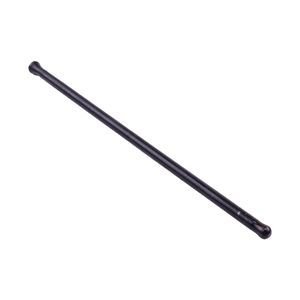
Engine serial variants confirmed — This 733817M1 push rod is verified against Perkins-family serial variants to ensure correct length and end-form geometry before dispatch.
Technical Specifications
| Parameter |
Value |
| Part Number |
733817M1 |
| Product Type |
Push Rod |
| Cross-Reference |
733817M1 (reference only) |
| Machine Fitment |
Massey Ferguson 50, 275, 290, 383, 390, 690 (Backhoe Loaders); 550, 750, 760 (Combines); 184-3655 series (Tractors) |
| Material |
High-strength alloy steel, heat-treated |
| Surface Hardness |
38–42 HRC |
| Straightness Deviation |
< 0.05 mm over length |
| Surface Treatment |
Black oxide finish |
| Condition |
New aftermarket replacement |
| Standards |
ISO 9001, ISO 1101, SAE J2009 |
Application Suitability
| Engine System |
Related Components |
| Valve train actuation |
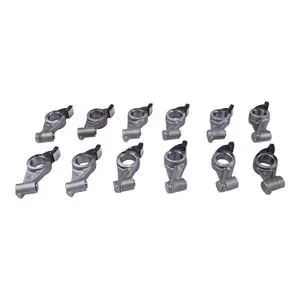
Tappets, rocker arms, valve stem caps |
| Camshaft interface |
Cam lobes, cam bearings, timing gears |
| Cylinder head sealing |
Overhaul gasket set, valve stem seals |
| Block internal lubrication |
Oil gallery plugs, lifter bore cleaning |
Why a Push Rod Replaced in Isolation Fails Again Within Months
A push rod replaced without checking tappet wear, rocker arm geometry, or the correct oversize grade after a previous rebuild leads to repeat valve train failure within hundreds of hours. The failed rod is rarely the root cause.
When I transitioned from parts catalog queries to technical support in Brazil, the hardest lessons came from valve train comebacks. A single push rod replaced on a Massey Ferguson 390 without verifying cam lobe profile wear resulted in the new rod bending at the same station within a season. The real fault — a worn tappet face creating point loading — had not been addressed. Root cause diagnosis across the valve train system prevents sequential failures that make the initial repair look defective [NEED_CITE: diesel engine valve train failure analysis and root cause diagnostics].

Valve Train System Position and Matched Replacement
This component sits at the critical link between the camshaft lobe and the rocker arm, translating rotational cam profile into linear valve actuation. When planning a push rod engine rebuild replacement, the adjacent components share the same wear cycle. Reinstalling worn tappets against new rods transfers uneven contact stress immediately, and reusing rocker arms with worn bushings introduces lateral deflection that fatigues the rod mid-section. System-level supply — matching the rods with fresh tappets, inspected rocker shafts, and a complete gasket set — closes the loop on the valve train and avoids the second teardown.
Serial Variant Differences Across Perkins-Derived Engines
Massey Ferguson equipment spanning the 200, 300, and 3000 series uses engines from the 4.248, 6.354, and 1006.60 families, each with distinct push rod lengths and end-form profiles. A rod that fits a 4.248 Diesel in a Massey Ferguson 275 may share the same reference number as a variant for a 6.354.04 in a 399, yet differ in overall length and ball-end radius. Confirming the engine serial plate before ordering is non-negotiable — I have seen incorrect rods force valve-to-piston interference on startup, requiring a second head removal to diagnose the contact marks [NEED_CITE: Perkins 4.248 and 6.354 engine serial identification and variant differences].
Material and Hardness Specifications in Practice
The heat-treated alloy steel construction with a controlled 38–42 HRC surface hardness range addresses the specific loading cycle of a diesel valve train. The push rod endures compressive buckling loads during valve opening and tensile rebound during spring closure, thousands of times per minute. Surface hardness below this range accelerates tip wear against the tappet face; hardness above it risks brittle fracture under shock loading from valve float. The black oxide finish provides corrosion protection during storage and initial break-in without introducing dimensional change. Straightness deviation held under 0.05 mm ensures the rod does not introduce lateral forces that accelerate rocker bush and valve guide wear.
The Hidden Cost of Skipping Root Cause Verification
Ordering replacement rods without tracing the original failure invites repeat damage. Bent rods typically result from excessive valve lash allowing impact loading, hydraulic lock from coolant intrusion, or a seized tappet bore. If the underlying condition persists, the new rods absorb the same abnormal forces and fail on a similar timeline. The cost compounds: a second teardown means another gasket set, another head reconditioning, and machine downtime measured in weeks rather than days. For fleet operations running multiple units of the same model, ignoring root cause on one engine often means the failure pattern is already developing in the others [NEED_CITE: agricultural diesel engine overhaul cost compounding from repeat valve train failures].
Sourcing With Engine System Context
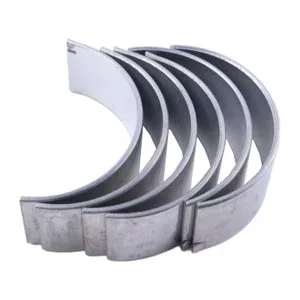
Both self-produced and qualified sourced supply lines carry identical quality control and warranty terms under one account, so a complete valve train order ships as a single consignment. Eight product categories allow the overhaul gasket set, valve stem seals, and rod bearings to join the push rods in one dispatch, eliminating split freight. Orders start from one piece, which matters when a single rod station is damaged rather than the full set. The technical team verifies compatibility against engine serial number and rebuild history — including whether a previous oversize valve job altered the geometry the new rods must accommodate. Part identification works from the reference number, a machine model, or a photograph of the worn rod alongside a ruler for length confirmation.
Documentation & Verification
- Commercial invoice and packing list with push rod quantities and batch traceability
- Part compatibility sheet confirming engine serial variant match (cross-reference only)
- Quality inspection record covering straightness, diameter tolerance, and hardness verification
- Warranty terms specifying coverage against manufacturing defects for 3–12 months
- Packing photographs showing rod separation and end-form protection during transit
Installation & Rebuild Sequence
- Clean lifter bores thoroughly; any debris transfers directly to the new push rod tip
- Inspect each tappet face for pitting before installing — replace if any spalling is visible
- Verify push rod length against service manual specification for your exact engine serial variant
- Seat each rod fully into its tappet and rocker arm cup before torquing the rocker shaft
- Set valve lash to specification with the engine at operating temperature, not cold
- Run the engine at low idle for the initial break-in period, listening for abnormal tapping
Requesting the Correct Valve Train Configuration
Provide the engine model, serial number from the block plate, and any known rebuild history — including whether oversize valves or reground camshafts were fitted previously. This information determines whether the standard push rod applies or a variant is required for correct geometry. Photographs of the existing rod ends and the engine serial plate accelerate the verification process.
Frequently Asked Questions
Q: What other valve train components should be inspected or replaced when changing push rods?
A: Inspect tappet faces for flat-spot wear, rocker arm bushes for lateral play, and cam lobe profiles for pitting. Valve stem tips should show even contact wear. If any mating component shows measurable wear, replacing it alongside the push rod engine rebuild replacement prevents the new rods from absorbing abnormal loads and failing prematurely.
Q: How do I confirm which engine serial variant my Massey Ferguson tractor has, and does it affect fitment?
A: The engine serial plate is typically located on the block near the injection pump mounting face. Different serial ranges within the same tractor model can indicate a 4.248 versus a 6.354 family engine, each requiring different push rod lengths. Always provide this serial number when ordering to ensure correct fitment.
Q: Is this push rod included in a standard overhaul kit, or should I order it separately?
A: Most standard overhaul gasket sets do not include valve train hard parts. Push rods, tappets, and valve stem seals are typically ordered as separate line items. Confirm your kit contents against the engine-specific parts list and add any missing components before the block is reassembled.
Q: What caused the original push rod to fail, and how do I prevent repeat failure after replacement?
A: Common root causes include excessive valve lash creating impact loading, worn cam lobes producing irregular lift profiles, or hydraulic lock from coolant intrusion. Tracing the failure pattern across multiple rod stations reveals whether the cause is localized or systemic. Addressing the root cause prevents the replacement from failing on the same timeline.
Q: Can I get a matched set of push rods for a complete engine rebuild, and what else does the kit need?
A: Full sets ship matched for length tolerance to ensure even valve timing across all cylinders. For a complete valve train refresh, add tappets, rocker arm bushes, valve stem seals, and a full overhaul gasket set. Consolidating these into one order ensures all components arrive together and the rebuild proceeds without waiting on delayed line items.