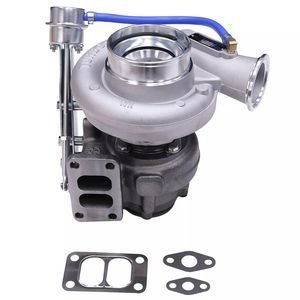
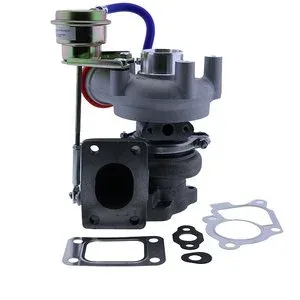
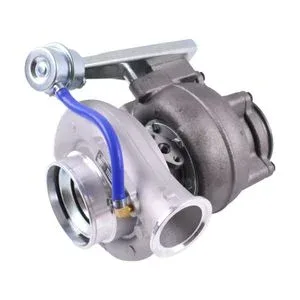
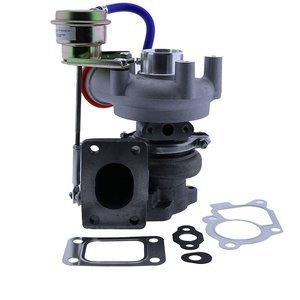
Matched Supply — HX35W turbocharger ships with verified gaskets and oil line fittings for QSB6.7 Tier-3 rebuilds, confirmed against engine serial variants before dispatch.
Technical Specifications
| Parameter |
Value |
| Part Number |
4955156 |
| Product Type |
Turbocharger |
| Cross-Reference (reference only) |
4038597, 4042667, 4038597R, 4038597RX, 4038209, 4044890, 4033681, 4044890H, 4629082, 495515600, 4955156NX, 4955156RX, 5452082, 5452082NX, 5452082RX, 3802879, 3802878 |
| Machine Fitment |
QSB6.7, QSB Tier-3 engines |
| Turbo Model |
HX35W-A77J70GM/A70Q86FE14PB-W, HX35W |
| Condition |
New Aftermarket |
| Warranty |
12 months against manufacturing defects |
| Turbine Shaft Material |
Forged steel |
| Compressor Wheel Material |
7000-series aluminum alloy |
| Bearing Type |
Dual ceramic ball bearings |
| Gasket Material |
Viton elastomer (rated to 250°C) |
| Dimensional Tolerance (Mounting Interfaces) |
±0.02 mm |
| Boost Pressure Validation |
1.8 bar |
| Oil Flow Rate Check |
3.2 L/min |
| Run-in Test |
15-minute at 120,000 rpm |
| Operating Temperature (Exhaust Gas) |
up to 750°C |
| Rotational Speed |
>150,000 rpm |
| Standards |
ISO 9001, ISO 8573-1 |
Application Suitability
| Engine System |
Related Components |
| Intake and Emission System |
Oil inlet/outlet gaskets, air filters, intake manifold seals |
| Lubrication Circuit |
Oil supply lines, turbo drain tube, oil filter |
| Exhaust Gas Recirculation (EGR) |
EGR valve gaskets, exhaust clamps, heat shields |
| Complete Overhaul |
Piston sets, cylinder liners, valve kits, full gasket set |
Why an HX35W Turbocharger Rarely Fails Alone on the QSB6.7
A burned turbo is usually a symptom of an upstream system fault, not an isolated event.
When a QSB6.7 loses boost pressure, the instinct is to swap the turbo and send the machine back to work. In practice, the root cause often sits elsewhere: coking in the oil feed line, a failing EGR valve pushing soot into the turbine housing, or an air filter bypass letting abrasive dust score the compressor wheel. I have seen freshly installed HX35W turbocharger engine rebuild parts return to the bench within weeks because the oil starvation that killed the first unit was never corrected [NEED_CITE: diesel turbo failure root cause analysis for off-highway engines]. Replacing the turbo without inspecting the lubrication feed, the air intake path, and the exhaust back pressure simply resets the clock on the same failure mode.

The Intake-to-Exhaust Chain That Determines Turbo Life
The HX35W sits at the junction of three engine circuits on the QSB6.7: the pressurized oil feed, the intake air path, and the hot-side exhaust stream. Any degradation in one circuit transfers load to the turbo bearings and seals. During a teardown, the condition of the oil inlet gasket and the carbon deposit pattern inside the turbine housing tell you which circuit failed first. Addressing that circuit — not just fitting a new HX35W turbocharger — is what makes the rebuild hold.
Engine Serial Variants and What They Change
The QSB6.7 family spans multiple serial ranges and tier certifications, and the turbo mounting configuration is not identical across all of them. Port orientation on the oil drain flange, the wastegate actuator bracket geometry, and the compressor outlet diameter can differ between early Tier-3 builds and later revisions. Confirming the exact engine serial number and tier level before ordering ensures the replacement HX35W turbocharger engine rebuild parts match the block without adaptor plates or field modifications [NEED_CITE: QSB6.7 engine serial variant identification practices].
Reading the Specifications That Matter in the Field
The forged steel turbine shaft and 7000-series aluminum compressor wheel are selected for the thermal cycling this unit endures — exhaust gas temperatures reaching 750°C while the compressor side handles ambient intake air. Dual ceramic ball bearings reduce friction losses at rotational speeds exceeding 150,000 rpm, but they demand clean oil at the specified flow rate of 3.2 L/min to survive. The Viton gasket material, rated to 250°C, maintains seal integrity at the oil drain flange where elastomer hardening is a common failure point on lesser compounds. Mounting interface tolerance held to ±0.02 mm prevents the micro-misalignment that accelerates bearing wear. Each unit completes a 15-minute run-in at 120,000 rpm and a boost pressure validation at 1.8 bar before release.
The Cost of Skipping the System Check
Fitting a new turbo without tracing the fault means the contaminated oil or restricted air intake that destroyed the original unit is still present. The replacement absorbs the same abuse and fails on a similar timeline. The machine comes back to the workshop, the customer loses confidence, and the second teardown costs more in labor and reputation than a thorough first diagnosis would have [NEED_CITE: repeat turbo failure cost impact in heavy equipment repair]. Checking oil sample condition, measuring exhaust back pressure, and inspecting the intercooler for internal oil residue add time to the initial job but prevent the expensive return visit.
What This Supply Arrangement Covers
The HX35W turbocharger engine rebuild parts listed here come from production lines operating under ISO 9001 quality management, with the same 12-month warranty applying to both self-produced and sourced components. Orders ship from a single account whether you need one turbo for a breakdown repair or a matched set for a fleet overhaul. Cross-reference verification covers superseded and alternate numbers, so a legacy part number from an older service manual can be traced to the current build variant. A sample unit is available for fitment confirmation before a bulk commitment, and the technical team can verify compatibility against engine serial numbers and tier certifications.
Documentation & Verification
- Commercial invoice listing turbo model HX35W with cross-reference numbers marked as reference only
- Part compatibility sheet confirming QSB6.7 engine serial range and tier certification match
- Quality inspection record documenting boost pressure, oil flow, and run-in test results
- Warranty terms covering manufacturing defects for 12 months from delivery
- Packing photographs showing flange protection and impact-resistant crating before dispatch
Installation & Rebuild Sequence
- Flush oil feed and drain lines before fitting the HX35W turbocharger to remove residual carbon and debris
- Install new Viton oil inlet and outlet gaskets from the matched set — reusing old gaskets risks immediate leak paths
- Torque mounting fasteners to specification in the correct sequence to maintain ±0.02 mm flange alignment
- Pre-lube the turbo bearing housing with clean engine oil before first crank to prevent dry-start bearing damage
- Run the engine at idle for a minimum warm-up cycle, monitoring boost pressure and checking for oil weepage at all joints
Requesting a Matched Quote
Provide the engine serial number, tier certification level, and any previous rebuild history so we can confirm which HX35W variant fits your QSB6.7 and which adjacent components — gaskets, oil lines, filters — should ship in the same consignment. If the nameplate is unreadable, a photograph of the existing turbo data tag and the engine block casting number is enough to begin cross-reference verification.
Frequently Asked Questions
Q: What other components should I replace alongside the turbo during a QSB6.7 rebuild?
A: Oil inlet and outlet gaskets, the oil feed line if coking is present, air filter, intake manifold seals, and exhaust clamps should all be replaced during turbo service. Shipping these matched components together avoids a second order and ensures every seal surface is fresh when the HX35W turbocharger goes onto the block.
Q: How do I confirm which turbo variant fits my specific engine serial number?
A: Send the engine serial number and tier certification from the data plate. The QSB6.7 family has mounting and port differences across serial ranges. We cross-reference your number against the build record to confirm the correct HX35W variant, including wastegate bracket and oil drain orientation.
Q: What root causes of turbo failure should I diagnose before installing the replacement?
A: Inspect the oil feed line for coking or restriction, check the air filter and intake ducting for bypass or damage, and measure exhaust back pressure. Oil starvation, contaminated intake air, and EGR soot buildup are the primary upstream faults that destroy a turbo. Correcting these prevents repeat failure after installation.
Q: Can I order a complete gasket and hardware set matched to this turbo?
A: Yes. The matched supply includes Viton oil gaskets rated to 250°C, exhaust clamps, heat shield fasteners, and any variant-specific hardware for your QSB6.7 build. Ordering as a set ensures material compatibility and eliminates the risk of receiving incorrect gasket profiles from separate sources.
Q: How do I verify the engine model and tier certification for correct fitment?
A: Locate the Cummins engine data plate — typically on the valve cover or block — and record the model, serial number, and CPL or tier designation. If the plate is worn or painted over, a clear photograph of the block casting number allows cross-reference verification to confirm the correct turbo variant.