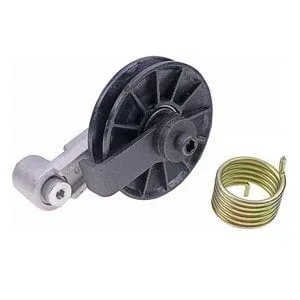
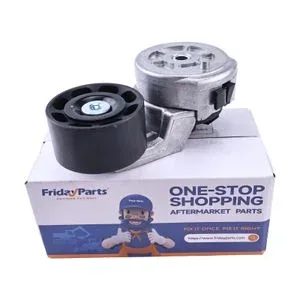
Matched Set Dispatch — Every belt tensioner kit ships with verified spring torque and pulley runout records matched to your engine serial.
Technical Specifications
| Parameter |
Value |
| Product Type |
Belt Tensioner |
| Part Number |
6662997, 6702474, 6725212, 38C820, 6655781, 6704820, 6700115, 73G656, 6704444, 6660995, 6704443, 61D6 |
| Cross-Reference |
6662997, 6702474, 6725212, 38C820, 6655781, 6704820, 6700115, 73G656, 6704444, 6660995, 6704443, 61D6 (reference only) |
| Machine Fitment |
Bobcat 653, 751, 753, 763, 773, 7753, 853, 863, 864, 873, 883, 963, S130, S150, S160, S175, S185, S205, S220, S250, S300, T140, T180, T190, T200, T250, T300, A220, A300 |
| Condition |
New Aftermarket |
| Kit Contents |
Idler pulley, thrust bearing, arm assembly, O-ring |
| Pulley Material |
Heat-treated steel |
| Arm Material |
Forged aluminum alloy |
| O-Ring Standard |
ASTM D2000 (nitrile rubber) |
| Quality Standards |
ISO 9001, ASTM D2000 |
| Warranty |
3–12 months against manufacturing defects |
Application Suitability
| Engine System |
Related Components |
| Engine cooling fan drive |
Fan blade assembly, coolant hoses, thermostat housing |
| Alternator belt drive system |
Alternator mounting bracket, serpentine belt, pulley alignment tool |
| Water pump circulation loop |
Water pump gasket, coolant bypass hose, drive belt |
| Scheduled maintenance overhaul |
Complete seal kit, belt drive hardware, tensioner mounting bolts |
Why Belt Slippage Keeps Coming Back After a Belt Swap
A worn tensioner hides behind every repeated belt failure until the entire drive assembly is addressed as one system.
When a skid steer or track loader returns to the shop with a shredded belt two weeks after a replacement, the root cause is rarely the belt itself. The tensioner arm loses spring torque over thousands of thermal cycles, the idler pulley bearing develops axial play, and the O-ring hardens past its elastomer limit. Replacing the belt without refreshing these components guarantees a repeat visit. [NEED_CITE: belt drive system fatigue failure modes in compact loaders]
System-Level Thinking for Belt Drive Repairs
A belt tensioner kit belongs to the engine cooling and accessory drive subsystem. Its job is to maintain constant belt tension across the fan pulley, alternator, and water pump regardless of thermal expansion or load variation. When one element of this kit degrades, the entire belt tensioner kit system operates outside design tolerance, accelerating wear on adjacent components.
Matching the Kit to Your Engine Build
Bobcat skid steer and track loader engines span multiple serial variants across the S130 through S300 range, with tensioner configurations that differ by engine generation and emissions tier. The arm geometry, pulley diameter, and spring rate change between early mechanical and later tier-compliant builds. Confirming the engine serial prefix ensures the belt tensioner kit matches the exact accessory drive layout on your machine, preventing clearance interference with coolant hoses or the engine shroud. [NEED_CITE: Bobcat engine serial variant identification for belt drive components]
What Causes Premature Tensioner Failure
Heat cycling in enclosed engine compartments degrades the nitrile O-ring and reduces bearing grease viscosity. Contamination from blown head gaskets or coolant leaks introduces glycol into the bearing cavity, scoring the thrust surface. Operators running machines in quarry loading or asphalt milling environments subject the arm assembly to continuous vibration that fatigues the spring beyond its yield point. Addressing these upstream faults during the belt tensioner kit installation prevents early repeat failures.

Reading the Specifications That Matter
The heat-treated steel pulley resists groove wear from belt contact pressure, maintaining proper belt tracking across thousands of operating hours. The forged aluminum alloy arm provides the stiffness needed to resist deflection under peak spring load while keeping rotating mass low. The nitrile rubber O-ring meeting ASTM D2000 retains sealing integrity across the temperature range encountered in compact loader engine bays, where ambient and radiant heat combine to push elastomers past their glass transition point. These material choices determine whether the belt tensioner kit survives one season or several.
The Cost of Incomplete Kit Replacement
Skipping the thrust bearing or reusing the old O-ring during a tensioner service creates a weak link that fails before the new pulley reaches its expected life. A single hardened O-ring allows coolant vapor into the bearing cavity, and the resulting corrosion pits the thrust surface within weeks. The machine returns to the shop, the engine cover comes back off, and labor doubles for a component that cost little to include the first time. [NEED_CITE: elastomer degradation in engine belt drive sealing applications]
What This Supply Channel Provides
Selected part lines are produced in-house while the remainder is sourced from qualified ISO-certified manufacturing partners, both covered under the same warranty terms. Eight product categories allow a complete engine overhaul list to ship as one consignment rather than split across multiple suppliers. Orders start from one piece, so a single emergency tensioner kit dispatches without minimum quantity barriers. Cross-reference verification covers superseded and alternate numbers across Bobcat engine generations. A technical team confirms compatibility and grade against your engine serial before the order ships. Sample supply is available for fitment confirmation before you commit to bulk quantities.
Documentation & Verification
- Commercial invoice listing each belt tensioner kit part number with engine serial cross-reference
- Compatibility sheet marking all OEM reference numbers as interchange reference only
- Quality inspection record covering spring torque, pulley runout, and dynamic tension retention
- Warranty terms specifying coverage duration and manufacturing defect replacement policy
- Packing photographs documenting kit completeness before crate closure
- HS code classification and customs documentation support for international engine parts shipments
Installation & Rebuild Sequence
- Inspect the accessory drive bracket for cracks or thread damage before mounting the new arm assembly
- Verify pulley runout with a dial indicator after pressing the thrust bearing into the idler
- Apply the specified torque to the tensioner mounting bolts to prevent arm deflection under load
- Route the belt per the engine diagram and confirm the O-ring seats fully in its groove
- Run the engine to operating temperature and recheck belt deflection at the midpoint of the longest span
Requesting a Fitment Quote
Provide your Bobcat machine model, engine serial number, and any previous rebuild history so we can confirm which belt tensioner kit variant matches your specific engine build. Photographs of the existing tensioner arm and pulley help verify the configuration when nameplates are worn or painted over. Include your overhaul timeline so we can align sample dispatch and bulk availability with your service schedule.
Frequently Asked Questions
Q: What is included in the belt tensioner kit and what else should be replaced during the same service?
A: The kit contains the idler pulley, thrust bearing, arm assembly, and O-ring as a matched set. During the same service window, inspect the serpentine belt for glazing, check the fan blade for cracks, and verify the water pump bearing for play. Replacing these adjacent components together prevents a second teardown within weeks.
Q: How do I confirm which tensioner variant fits my specific Bobcat engine serial?
A: Bobcat skid steer and track loader engines use different tensioner configurations across serial ranges and emissions tiers. Provide your engine model and serial prefix so we can cross-reference the correct arm geometry, pulley diameter, and spring rate against your exact build, including any superseded part numbers.
Q: What system-level faults cause premature tensioner failure beyond normal wear?
A: Coolant leaks introduce glycol into the bearing cavity, scoring the thrust surface. Excessive engine bay temperatures degrade the O-ring elastomer. Continuous vibration from quarry or milling applications fatigues the spring past its yield point. Identifying and correcting these upstream conditions during installation extends the belt tensioner kit service life.
Q: Is this kit complete, or do I need to order additional seals or fasteners separately?
A: The kit includes the idler pulley, thrust bearing, arm assembly, and O-ring. Mounting bolts are not included and should be inspected for thread integrity during removal. If your engine uses a secondary seal at the bracket interface, confirm that requirement when requesting your fitment quote.
Q: How do I identify my engine model when the nameplate is worn or painted over?
A: Photograph the existing tensioner arm casting number, pulley diameter, and mounting bolt pattern. Send these images along with your machine model and approximate year of manufacture. Our technical team cross-references these physical characteristics against known engine configurations to confirm the correct kit.