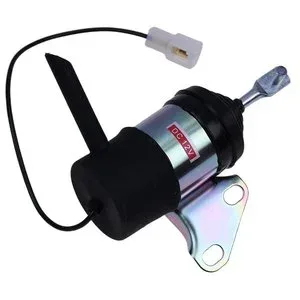
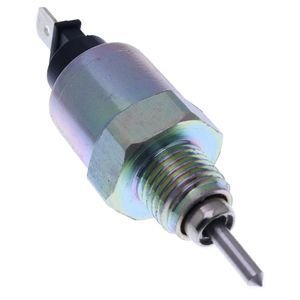
Matched Sets Shipped Together — Every stop solenoid leaves our Guangzhou facility with its matched wiring connector and fuel-side seal verified against the RTV900 engine variant on your work order.
Technical Specifications
| Parameter |
Value |
| Part Number |
16851-60014 |
| Product Type |
Stop Solenoid |
| Cross-Reference |
052600-4530, 052600-4531, 16851-60015, 16851-60010 (reference only) |
| Machine Fitment |
Kubota RTV900G, RTV900G6, RTV900G9, RTV900R6, RTV900R9, RTV900T, RTV900W, RTV900XTG, RTV900XTR |
| Voltage |
12V |
| Operating Mode |
Fuel Shutdown / Fuel Cutoff |
| Condition |
New Aftermarket |
| Standards |
ISO |
| Warranty |
3-12 months against manufacturing defects |
Application Suitability
| Engine System |
Related Components |
| Fuel Cutoff System |
Fuel lines, inline filters, injection pump seals |
| Electrical Control Circuit |
Wiring harness connectors, relay switches, fuses |
| Engine Auxiliary |
Throttle linkage, governor springs, shutdown lever |
What Fails First: The Solenoid or the Circuit Feeding It?
Most repeat stop solenoid failures trace back to the wiring harness, not the replacement part itself.
In repair centres across the Middle East, I have seen utility vehicles return to the workshop within weeks of a solenoid swap. The new component burns out because the root cause—corroded terminals, voltage drop across degraded wires, or a failing relay—was never addressed. A stop solenoid engine rebuild project that ignores the electrical supply chain is simply scheduling the next failure [NEED_CITE: electrical circuit voltage drop diagnostics for 12V mobile equipment]. When the coil demands stable current and receives intermittent supply, internal heat builds beyond design limits.
The Fuel System Context for This Component
This 12V fuel stop solenoid sits at the boundary between the electrical control circuit and the fuel delivery path. Its precision-wound coil actuates a plunger that blocks fuel flow during shutdown. During any engine service event, verifying the integrity of adjacent fuel system components prevents contamination from reaching the new solenoid's internal seals.
Cross-Reference Numbers and Engine Serial Variants
Multiple part numbers—16851-60014, 16851-60015, and earlier variants like 16851-60010—appear across different RTV900 production years. These superseded numbers reflect changes in connector type and coil resistance specifications. Confirming which cross-reference applies to your engine serial range avoids receiving a physically compatible but electrically mismatched unit [NEED_CITE: Kubota RTV900 series engine serial identification procedures].
Electrical Parameters That Determine Service Life
The 12V rating requires stable supply within a defined tolerance band. Voltage spikes from alternator irregularities or voltage drop from undersized wiring both stress the coil winding. Internal seals must resist fuel exposure at operating temperatures while maintaining plunger response speed. The ISO manufacturing standard ensures dimensional consistency across production batches.

The Cost of Skipping Root-Cause Diagnosis
Replacing this stop solenoid without checking the relay, wiring continuity, and fuel quality often leads to repeat visits. The second failure gets blamed on part quality when the actual cause remains unresolved. Workshop labour hours accumulate, vehicle availability drops, and the maintenance budget absorbs unplanned costs [NEED_CITE: repeat failure patterns in fuel shutoff systems].
Why Source Through This Channel
Own production lines and qualified sourced supply carry identical warranty terms under one account. Eight component categories mean a complete fuel system job ships consolidated rather than split across multiple deliveries. Orders start from one piece for emergency repairs. The Guangzhou warehouse maintains stock on high-turnover items for fast dispatch. Our technical team verifies compatibility using machine model, serial number, or photographs of the existing nameplate. Cross-reference verification covers superseded and alternate numbers. Samples are available for fitment confirmation before bulk commitment.
Documentation & Verification
- Commercial invoice listing part numbers and applicable cross-references
- Compatibility sheet mapping engine serial ranges to correct variant
- Dimensional inspection record covering plunger stroke and connector pin spacing
- Warranty terms document specifying coverage period and conditions
- Packing photographs showing component protection before crate closure
- HS code documentation for customs clearance support
Installation & Rebuild Sequence
- Disconnect battery negative terminal before removing wiring connector from existing solenoid
- Clean fuel line mating surface to prevent contamination entering the new unit
- Verify connector pin alignment and secure locking mechanism engagement
- Check coil resistance with multimeter against specification before final assembly
- Test shutdown function with engine running before returning vehicle to service
Request Compatibility Confirmation
Provide your RTV900 machine model designation, engine serial number, and any previous rebuild documentation. This allows us to identify which cross-reference number applies and whether related fuel system components should be included in the same shipment.
Frequently Asked Questions
Q: What other fuel system components should I inspect when replacing the stop solenoid?
A: Check inline fuel filters for contamination that may have contributed to previous failures. Inspect fuel line connections for leaks that could introduce air into the system. Verify the injection pump seals are intact. These adjacent components affect solenoid service life and should be evaluated during the same service event.
Q: How do I determine which cross-reference number matches my engine?
A: Provide your RTV900 model variant and engine serial number. Production year determines whether 16851-60014, 16851-60015, or an earlier number applies. Connector type and coil specifications changed across production runs, so serial verification prevents receiving an electrically incompatible unit.
Q: What electrical issues cause premature solenoid failure?
A: Voltage drop from corroded wiring connections forces the coil to operate outside design parameters. Failed relays can supply intermittent current. Alternator irregularities create voltage spikes. These conditions generate excess heat in the coil winding, leading to early failure regardless of replacement part quality.
Q: Can I order a sample before committing to fleet quantities?
A: Sample supply is available for fitment verification. This allows your workshop to confirm physical compatibility, connector alignment, and operational function on one vehicle before ordering for multiple units in your maintenance programme.