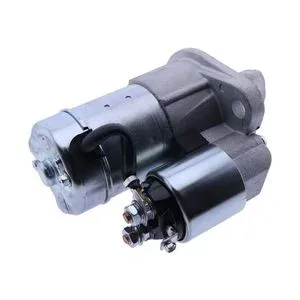
Engine Serial Variant Confirmed — Every stop solenoid we dispatch is checked against the specific Thermo King engine serial to avoid electrical or fitment mismatches across production runs.
Technical Specifications
| Parameter |
Value |
| Part Number |
41-9100 |
| Product Type |
Stop Solenoid |
| Cross-Reference |
41-9100, 419100, 419-100, 42-0100, 420100, 420-100, SA-4564, SA4564, 41-4306, 414306, 414-306, 417886, 417-886, TB-37-42-100, TB3742100, TON-42-100H, TON42100H, 1503ES-12SUC11S, 1503ES12SUC11S, 1503ES-12S5SUC11S, 1503ES12S5SUC11S, MPN0450, 42-1700, 421700 (reference only) |
| Machine Fitment |
TK249, TK374, TK388, TK395, TK482, TK482E, TK486, TK486E, TK486V, SLXi, Spectrum, SB, T-Series, TS, Sentry II, SLX, SMX, Super II, TriPac APU, KD II, MD, RD, TD II, PRECEDENT, SL, SB I-III, SLXe, UTS |
| Voltage |
12V |
| Condition |
New Aftermarket |
| Coil Material |
High-temperature copper wire |
| Valve Body Material |
Corrosion-resistant alloy |
| Plunger Material |
Hardened steel |
| Warranty |
3-12 months against manufacturing defects |
| Standards |
ISO |
Application Suitability
| Engine System |
Related Components |
| Fuel Shutoff Control |
Fuel filter, fuel lines, injection pump seals |
| Engine Electrical Circuit |
Wiring harness connectors, relay, fuse block |
| Cold Start & Idle Management |
Thermostat, idle speed control linkage |
| Transport Refrigeration Power Plant |
Compressor clutch, alternator, belt tensioner |
Why the Same Part Number Ships in Multiple Electrical Variants
A 12V Fuel Stop Solenoid engine replacement must match the exact control logic of your Thermo King unit, not just the stamped number.
Across the TK249, TK388, and TK486 series, the physical housing may appear identical, yet the internal coil winding, plunger stroke, and connector pin-out shift between early and late production engines. [NEED_CITE: Thermo King service bulletin on electrical variant identification for TK series engines] When a solenoid receives a continuous signal it was not designed for, the coil overheats and burns open within hours. Conversely, a unit expecting a latching pulse will simply click without holding the fuel rack closed. I have traced repeat failures in cold-chain fleets back to this single oversight — the part number matched, but the electrical variant did not.

Where the Stop Solenoid Sits in the Fuel System
This 12V Fuel Stop Solenoid engine replacement belongs to the fuel shutoff circuit, positioned between the injection pump and the engine control board. When the control board commands shutdown, voltage reaches the coil, pulling the hardened steel plunger to cut fuel flow. If contamination from a degraded fuel filter or a leaking injection line has already entered the valve body, the new solenoid will encounter the same abrasive particles that destroyed the previous one. Checking upstream filtration and line integrity before installation is what separates a lasting repair from a repeat teardown.
Engine Serial Variants and What They Change
Within the TK388 and SLXi families, Thermo King introduced running changes to the connector shape, mounting bolt spacing, and plunger travel distance. [NEED_CITE: transport refrigeration engine variant documentation practices] Two units bearing the same OEM reference number (for identification purposes) may require different gasket thicknesses or a revised wiring pigtail. Before we confirm any order, we cross-check the engine serial prefix against our variant matrix. This step catches the mismatch before the solenoid ships, not after the refrigeration unit is already loaded with perishable cargo.
Decoding the Voltage and Duty Cycle Rating
The 12V coil is rated for continuous duty inside an engine compartment where ambient heat regularly exceeds normal operating ranges. High-temperature copper wire insulation resists thermal breakdown, maintaining coil resistance within tolerance over thousands of on-off cycles. The corrosion-resistant alloy valve body prevents galvanic attack from diesel fuel additives, while the hardened steel plunger resists scoring against the bore under vibration. If ambient temperature inside the enclosure routinely climbs beyond standard limits, confirming coil thermal class with our technical team avoids premature insulation failure.
The Hidden Cost of Ignoring Root-Cause Faults
Replacing the stop solenoid without inspecting the fuel circuit that killed the original part leads to a second failure within weeks. Contaminated fuel, a sticking relay, or a frayed harness wire will destroy the new coil just as surely as it destroyed the old one. [NEED_CITE: diesel fuel system contamination impact on electromagnetic valve service life] Fleet operators who treat the solenoid as an isolated wear item accumulate repeated road-side shutdowns. Addressing the electrical and hydraulic root cause during the first teardown keeps the cold chain intact and avoids costly cargo claims.
Why Source This Component Through Our Engine System Desk
We produce selected engine auxiliary lines in our own facility and source the remainder from qualified ISO-certified partners, meaning every stop solenoid carries the same QC protocol and warranty terms. Eight product categories sit under one account, so the fuel filter, seal kit, and wiring connector you need arrive on the same commercial invoice. Minimum order is one piece — a single emergency solenoid ships without padding a list you do not need. Our Guangzhou warehouse holds common variants for fast dispatch, and our technical team verifies engine serial compatibility from a photograph of the nameplate when the tag is painted over or missing.
Documentation & Verification
- Commercial invoice listing each solenoid variant with its verified engine serial match
- Cross-reference sheet showing superseded and alternate numbers (reference only)
- Dimensional and electrical test record for every batch before dispatch
- Warranty terms covering manufacturing defects for 3-12 months
- Packing photographs confirming protective wrapping around the connector pins
- HS code and customs classification support for international shipments
Installation & Rebuild Sequence
- Disconnect battery negative before removing the faulty solenoid to prevent short-circuit damage to the control board
- Clean the injection pump mounting face and inspect for scoring before seating the new valve body
- Verify connector pin alignment and confirm voltage at the harness with a multimeter before final assembly
- Torque mounting bolts to specification and check plunger stroke against the service manual value
- Run the engine through three shutdown cycles to confirm consistent fuel cutoff before returning the unit to service
Inquiry Guidance
Send us the Thermo King engine model and serial number from the unit nameplate, along with any previous overhaul records. If the data plate is illegible, a clear photograph of the old solenoid connector and mounting face allows our team to identify the correct electrical variant. We will confirm compatibility, list any companion seals or gaskets required for a sealed installation, and provide lead time before you commit.
Frequently Asked Questions
Q: What other fuel system parts should I inspect when replacing the stop solenoid?
A: Examine the fuel filter element for metallic debris, check injection line fittings for weeping, and test the shutdown relay for consistent voltage output. Contamination or electrical irregularity in these adjacent components is often the root cause that destroyed the original solenoid, and addressing them during the same teardown prevents a repeat failure within weeks.
Q: My Thermo King engine serial differs from the one listed — does the same solenoid still fit?
A: Not necessarily. Thermo King introduced connector, plunger, and mounting changes across production runs within the same engine family. Provide your exact engine serial prefix so we can cross-check the variant matrix and confirm whether the same electrical and dimensional configuration applies to your unit.
Q: Do I need a separate seal kit, or does the solenoid ship with gaskets?
A: The solenoid is supplied as a standalone valve unit. We recommend ordering the matching O-ring or gasket set separately to ensure a fuel-tight seal at the mounting flange. Include this requirement in your inquiry and we will list the correct seal kit matched to your engine variant on the same invoice.
Q: What typically causes the original solenoid to fail and how do I prevent it?
A: Common causes include contaminated diesel fuel eroding the plunger bore, a failing relay sending continuous voltage to a pulse-rated coil, or wiring harness vibration breaking the connector pins. Inspect fuel cleanliness, verify relay operation, and secure the harness with a strain-relief clip to extend the service life of the replacement unit.
Q: Can I order a single sample to confirm fitment before committing to a fleet quantity?
A: Yes. We supply samples from one piece upward so you can verify connector shape, bolt pattern, and plunger stroke on the actual machine. Once fitment is confirmed, we match the verified variant for the balance of your fleet order under the same production batch.