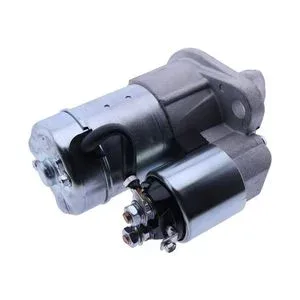
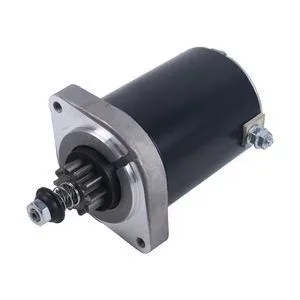
Complete Overhaul Matching — Every 12V fuel cut-off solenoid engine rebuild order is verified against pump series and flange dimensions before dispatch.
Technical Specifications
| Parameter |
Value |
| Product Type |
Stop Solenoid |
| Part Number |
7167-620B, 7167620B, 9009-049, 9009049 |
| Cross-Reference (reference only) |
7167-620B, 7167620B, 9009-049, 9009049 |
| Machine Fitment |
LUCAS DPA, DPS, CAV fuel injection pumps, CAV DPA, DPS series diesel engines |
| Voltage |
12V DC (±10% tolerance) |
| Duty Cycle |
100% intermittent |
| Coil Insulation Class |
Class H (180°C thermal rating) |
| Core Plunger Material |
Hardened stainless steel (HRC 42–46) |
| Sealing Gasket Material |
Viton fluoroelastomer |
| Sealing Temperature Range |
–20°C to +120°C |
| Mounting Flange Tolerance |
±0.05 mm |
| Solenoid Stem Tolerance |
±0.05 mm |
| Surface Treatment |
Zinc-nickel electroplating (15 μm, ASTM B633 SC4) |
| Salt-spray Resistance |
720-hour |
| Actuation Life |
500,000 cycles |
| Condition |
New Aftermarket |
| Warranty |
6 months against manufacturing defects |
| Standards |
ISO 9001, ISO 4024, SAE J1171, ASTM B633 SC4 |
Application Suitability
| Engine System |
Related Components |
| Fuel injection pump shutdown circuit |
Fuel filters, fuel lines, injection nozzles |
| Diesel engine overhaul |
Overhaul gasket kits, piston rings, bearing shells |
| Auxiliary power unit fuel system |
Fuel pumps, pressure regulators, return lines |
| Legacy DPA/DPS fuel system maintenance |
Pump seal kits, governor springs, transfer pump components |
When the Rebuild Stalls Over a Single Solenoid
A 12V fuel cut-off solenoid engine rebuild replacement must match the specific injection pump variant — not just the base part number.
An engine overhaul kit arrives at the workshop, but the stop solenoid spec does not match the injection pump variant sitting on the bench. The rebuild stalls while the correct component is sourced separately, and the machine stays down. I have seen this scenario play out in mining camps where a DPA pump was rebuilt with new internals, yet the old solenoid was reinstalled without checking the CAV sequence number on the pump body. Two weeks later, the new valve failed — not because of a defect, but because the pump's internal wear had altered the hydraulic pressure the solenoid needed to seal against. Replacing the stop solenoid without diagnosing the fuel system around it invites repeat failure. [NEED_CITE: diesel injection pump wear patterns and solenoid interaction]

The Solenoid's Role Inside the Fuel Shutdown Circuit
This stop solenoid interfaces directly with DPA, DPS, and CAV fuel injection pumps. It sits at the boundary between the electrical shutdown command and the mechanical fuel cutoff inside the pump housing. During an engine rebuild, the 12V fuel cut-off solenoid engine rebuild component is one of the last items installed on the pump before it returns to the engine block. Its stem must engage the pump's internal fuel rack with precise travel, and the mounting flange must seal against the pump body without distortion. If the pump has been reconditioned with oversize internal components, the solenoid stem engagement depth changes — a detail often missed until the engine refuses to shut down cleanly.
Matching the Pump Variant Before the Order Ships
CAV and Lucas injection pumps evolved across decades, and the same base reference number can cover several flange configurations. The DPA series uses a different bolt pattern and stem length compared to later DPS variants. Before confirming an order, I check the pump identification plate for the serial prefix and cross-reference it against the flange drawing. When the nameplate is painted over or corroded — common on equipment that has seen multiple repaint cycles in mining environments — a photograph of the pump body and the existing solenoid connector usually provides enough detail to verify the correct variant. This verification step prevents the situation where a solenoid arrives with the right electrical spec but the wrong mechanical interface. [NEED_CITE: CAV DPA versus DPS pump identification methods]
Reading the Specifications That Matter in the Field
The Class H insulation rating means the coil winding can withstand continuous thermal exposure up to 180°C, which matters when the solenoid is mounted close to exhaust manifolds or in poorly ventilated engine enclosures. The Viton fluoroelastomer gasket resists diesel fuel, biodiesel blends, and the temperature swings from –20°C to +120°C that occur during cold starts and sustained high-load operation. The zinc-nickel electroplating at 15 μm thickness provides corrosion protection in humid or saline environments — port facilities and coastal mining sites see accelerated corrosion on untreated solenoid bodies. The ±0.05 mm tolerance on both the mounting flange and the solenoid stem ensures the plunger seats correctly without binding, which is critical for achieving the full 500,000-cycle actuation life.
What Happens When the Wrong Grade Goes In
Installing a solenoid with incorrect stem length or flange tolerance on a rebuilt pump leads to one of two outcomes. The engine either fails to shut off when the key is turned — a safety hazard on any job site — or the plunger binds inside the pump bore, causing premature coil burnout. I have handled warranty returns where the solenoid itself was within specification, but the pump bore had been reamed during a previous rebuild to a non-standard dimension, leaving no aftermarket solenoid able to seal properly. Without checking the pump's reconditioning history, the same failure repeats. The cost is not the solenoid; it is the second teardown, the second set of gaskets, and the second round of downtime. [NEED_CITE: fuel injection pump reconditioning standards and bore tolerances]
Why Procurement Runs Through This Channel
Selected stop solenoid lines are produced in our own facility, with the remainder sourced from qualified ISO-certified manufacturing partners — both carry identical QC and warranty terms. Eight product categories mean the overhaul gasket set, bearing shells, and this solenoid ship under one account with one warranty. Minimum order is one piece, so a single emergency replacement does not require a bulk commitment. Our Guangzhou warehouse holds stock on common fuel system items for fast dispatch. Part identification works from a part number, a machine model, a photograph, or a nameplate image. Cross-reference verification covers superseded and alternate numbers so legacy pump variants are matched correctly. A sample can be supplied for fitment confirmation before a bulk order is placed, and the technical team confirms compatibility and grade before dispatch.
Documentation & Verification
- Commercial invoice and packing list referencing the specific DPA/DPS pump variant ordered
- Cross-reference sheet listing alternate numbers (reference only) for the supplied solenoid
- Quality inspection record including dynamic actuation test at 12V ±10%
- Warranty terms covering manufacturing defects for six months from delivery
- Packing photographs showing solenoid and gasket condition before crate closure
- HS code and customs documentation support for international fuel system component shipments
Installation & Rebuild Sequence
- Clean the pump solenoid bore with lint-free cloth and verified solvent before inserting the new plunger
- Confirm Viton gasket is seated flat against the flange groove — no rolling or pinching during installation
- Torque mounting bolts evenly to specification; uneven loading distorts the ±0.05 mm flange tolerance
- Perform a bench actuation test at 12V before reinstalling the pump on the engine block
- After engine start, verify clean shutdown within one second of key-off to confirm stem engagement depth
Confirming the Right Specification for Your Rebuild
Provide the injection pump model, serial number, and any reconditioning history so the correct flange variant and stem length can be confirmed. If the pump nameplate is unreadable, a photograph of the existing solenoid and the pump mounting face is usually sufficient for identification. Engine serial numbers help cross-reference the original fuel system configuration against superseded part numbers.
Frequently Asked Questions
Q: What other fuel system components should be inspected when changing the stop solenoid?
A: Inspect the fuel filter head, return line restrictors, and injection pump transfer pressure. A worn transfer pump can cause low inlet pressure, forcing the solenoid to operate against conditions outside its design range. Replace fuel filter elements and check all hose clamps in the same service window to avoid a second shutdown for related fuel system issues.
Q: How do I confirm whether 7167-620B or 9009-049 is correct for my pump?
A: These references (cross-reference only) cover overlapping but not identical pump variants. Provide the full CAV or Lucas pump serial number from the identification plate. The serial prefix determines the flange pattern and stem length. When the plate is missing, a photograph of the old solenoid alongside a ruler typically allows dimensional verification.
Q: Can this solenoid be included in a complete engine overhaul kit order?
A: Yes. The solenoid ships together with overhaul gasket sets, bearing shells, piston rings, and fuel system seals under one consignment. Consolidating the order eliminates split freight and ensures all components arrive before the rebuild begins, avoiding the situation where the engine sits assembled waiting for one fuel system item.
Q: What electrical checks should accompany solenoid replacement to prevent repeat failure?
A: Measure supply voltage at the solenoid connector during engine cranking and running — it must stay within 12V ±10%. Check the shutdown relay contacts for pitting or resistance, and verify wiring continuity from the ignition switch. Voltage drop caused by corroded connectors is a frequent root cause of premature coil failure that the new solenoid alone cannot resolve.
Q: How do I identify my injection pump model if the nameplate is worn or painted over?
A: Photograph the pump body from three angles — the mounting flange, the fuel inlet port area, and the governor housing. Key visual identifiers include bolt count on the mounting face, fuel port thread size, and governor cover shape. These features, combined with the engine model, typically allow the pump series to be identified without removing paint.