Engine Serial Variants Confirmed — This 12V starter motor AT318141 for Yanmar 3TNV88 and 4TNV88 families is verified against bellhousing clearance and spline engagement differences across engine serial builds.
Technical Specifications
| Parameter |
Value |
| Part Number |
AT318141 |
| Cross-Reference |
AT318141 (for identification purposes) |
| Product Type |
Starter Motor |
| Machine Fitment |
Yanmar 3TNV88-BNHB, 3TNV88F, 3TNV88-NHBB, 4TNV88-BNHB, 4TNV88C, 4TNV88-NHBB; Hitachi Zaxis 35U-2, 35U-3, 35U-5N, 50U-2, 50U-3, 50U-5N |
| Voltage |
12 Volts |
| Pinion Configuration |
15 Teeth/Splines |
| Insulation Class |
Class H rated to 180°C |
| Housing Tolerance |
±0.15 mm |
| Condition |
New Aftermarket |
| Warranty |
6 months against manufacturing defects |
| Standard |
ISO 9001 |
Application Suitability
| Engine System |
Related Components |
| Yanmar 3TNV88 / 4TNV88 Auxiliary Electrical |
Alternator, stop solenoid, glow plugs, wiring harness connectors |
| Hitachi Zaxis 35U / 50U Cranking Circuit |
Flywheel ring gear, starter relay, battery terminals |
| Engine Overhaul Auxiliary Kit |
Seal kits for starter mounting flange, mounting bolts, electrical terminals |
Why a 12V Starter Motor Fails Repeatedly on the Same Engine Platform
A starter that burns out twice in one season is often a symptom, not the root cause, of an undiagnosed system fault.
In repair shops across the Shandong construction machinery belt, I have watched mechanics replace a starter motor three times on a single Hitachi Zaxis 50U-2 before checking the flywheel ring gear teeth. The 15-spline pinion was meshing against chipped ring gear surfaces, generating shock loads that fractured the pinion shaft within weeks. Cross-reference AT318141 covers multiple Yanmar TNV88 variants, but the cranking circuit — wiring harness resistance, battery cable corrosion, alternator output — determines whether any replacement unit survives its first year [NEED_CITE: electrical system voltage drop diagnostic procedures for diesel cranking circuits].
This 12V starter motor engine replacement for Yanmar 3TNV88 and Hitachi Zaxis belongs inside a broader engine auxiliary evaluation. Supplying the starter alone, without evaluating adjacent electrical and sealing components, means the next failure is already scheduled.

The Engine Auxiliary System Around This Starter Motor
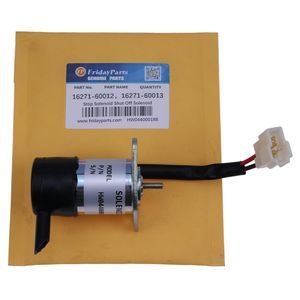
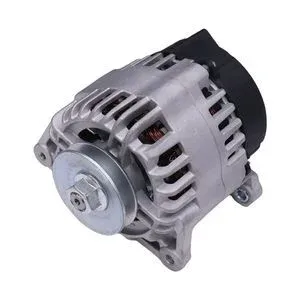
The Yanmar TNV88-series auxiliary electrical system includes the starter motor, alternator, stop solenoid, and glow plug circuit. When one component fails repeatedly, the others deserve bench testing before reassembly. A 12V starter motor engine replacement for Yanmar 3TNV88 and Hitachi Zaxis compact excavators operates within this interconnected system. Supplying matched components together means the rebuild shop addresses the entire cranking and charging loop in one service event, rather than chasing individual part failures across multiple machine visits.
Engine Serial Variants and What They Mean for Fitment
Within the Yanmar 3TNV88 family, suffixes like -BNHB and -NHBB indicate different bellhousing configurations and port orientations. I once shipped a starter to a fleet operator running Zaxis 35U-3 machines, where the part number matched but the engine serial variant required a different flange bolt pattern — the unit spun freely on the bench but would not seat against the bellhousing. Confirming the exact engine serial, including suffix, before releasing bulk orders eliminates this class of fitment failure. Engine rebuild shops assembling overhaul kits for 4TNV88-BNHB versus 4TNV88C engines need this variant check built into the procurement step, not discovered on the shop floor [NEED_CITE: Yanmar TNV88 engine serial suffix identification for auxiliary component fitment].
Reading the Specifications That Matter in the Field
Class H insulation rated to 180°C addresses thermal loads that accumulate during high-frequency start-stop cycles on urban excavation sites where engines cycle dozens of times per shift. Standard Class B insulation would degrade faster under these conditions, leading to winding shorts that present as intermittent cranking failures. The 15-spline pinion shaft must engage the flywheel ring gear with precise axial alignment — the ±0.15 mm housing tolerance controls this engagement depth, preventing partial meshing that strips pinion teeth under load. Silver-alloy solenoid contacts resist arcing erosion during the high-current engagement transient, a failure mode that manifests as a starter that clicks but does not turn the engine.
The Hidden Cost of Replacing the Part Without Checking the System
When a repair centre installs a new starter without inspecting the flywheel ring gear, battery cable terminals, or wiring harness continuity, the replacement unit inherits the same electrical and mechanical abuse that destroyed the original. Shops that skip the charging circuit test often see the new unit fail within months, then blame the part rather than the undiagnosed voltage drop or ring gear damage. This pattern generates repeat warranty claims and erodes trust between distributor and workshop [NEED_CITE: root cause analysis methodology for repeated starter motor failures in diesel equipment].
Why Procurement Teams Source Engine System Parts Here
Selected starter motor lines are produced in our own facility, while remaining engine auxiliary SKUs are sourced from qualified ISO 9001-certified manufacturing partners — both carry identical QC protocols and the same 6-month warranty against manufacturing defects. Eight product categories mean a complete Yanmar TNV88 auxiliary electrical kit ships as one consignment under a single commercial invoice. Orders start from one piece, so a workshop replacing a single failed unit on a Zaxis 35U-2 faces no minimum quantity barrier. Guangzhou warehouse stock enables fast dispatch on common engine electrical items. Part identification works from the part number, machine model, photograph of the nameplate, or even a worn label image — cross-reference verification covers superseded and alternate numbers so the correct variant ships. Sample units are available for fitment confirmation before a fleet-level bulk commitment, so rebuild shops verify bellhousing clearance and spline engagement before authorizing full order release.
Documentation & Verification
- Commercial invoice and packing list detailing starter motor quantities and cross-reference AT318141 (reference only).
- Engine serial variant compatibility sheet confirming fitment for specific 3TNV88 or 4TNV88 suffix builds.
- Quality inspection record covering housing tolerance check at ±0.15 mm and solenoid contact resistance.
- 6-month warranty terms against manufacturing defects for this new aftermarket starter motor.
- Packing photographs documenting protective wrapping and terminal cover placement before crate closure.
- HS code and customs documentation support for international engine auxiliary component shipments.
Installation & Rebuild Sequence
- Inspect flywheel ring gear teeth for chipping or wear before installing the 15-spline pinion starter motor.
- Verify starter mounting bolt torque specification for the specific Yanmar TNV88 bellhousing variant in service.
- Clean battery cable terminals and check wiring harness continuity to eliminate voltage drop before first crank.
- Bench-test the installed 12V starter motor engine replacement for Yanmar 3TNV88 and Hitachi Zaxis under load at 12V.
- Confirm alternator output voltage to ensure the charging circuit supports repeated cranking cycles without battery depletion.
Request a Fitment-Verified Quote
Provide the full engine model with serial suffix (e.g., 3TNV88-BNHB or 4TNV88-NHBB) along with any previous rebuild history to confirm the correct starter motor variant and adjacent electrical components for your specific engine build.
Frequently Asked Questions
Q: What other engine electrical parts should be replaced together with the starter motor during a TNV88 service?
A: During a Yanmar TNV88 auxiliary electrical service, the alternator, stop solenoid, glow plugs, and wiring harness connectors should be evaluated as a matched set. Replacing only the failed starter without bench-testing the charging circuit and inspecting the flywheel ring gear often leads to repeat failures within months, since the root electrical or mechanical fault remains unaddressed.
Q: How do engine serial variants within 3TNV88 / 4TNV88 affect starter fitment and spline count?
A: Suffixes like -BNHB and -NHBB within the 3TNV88 family indicate different bellhousing configurations and port orientations that affect flange bolt patterns and clearance. A starter matching the base part number may not seat correctly on a variant engine build. Confirming the full engine serial, including suffix, before ordering prevents fitment failures discovered only during installation.
Q: Is the root cause of repeated starter failure being addressed, or only the failed component?
A: Repeated starter motor burnout on Hitachi Zaxis compact excavators often traces to undiagnosed voltage drop in the wiring harness, corroded battery terminals, or flywheel ring gear tooth damage. Replacing the starter alone without evaluating the full cranking and charging circuit means the same abuse pattern destroys the replacement unit. System-level diagnosis during overhaul prevents this cycle.
Q: What does the cross-reference AT318141 cover, and are there superseded or alternate numbers to check?
A: The cross-reference AT318141 (reference only) covers starter motors compatible with Yanmar TNV88-series and Hitachi Zaxis 35U/50U compact excavator engines. Superseded or alternate part numbers may exist across engine generations. Cross-reference verification against the engine service manual and variant-specific build records confirms correct applicability before order release.
Q: Can I get a sample starter for fitment confirmation before ordering for multiple machines?
A: Sample units of this 12V starter motor engine replacement for Yanmar 3TNV88 and Hitachi Zaxis are available for fitment and functional verification before bulk commitment. Rebuild shops and fleet operators can confirm bellhousing clearance, spline engagement, and terminal orientation on one machine before authorizing full order quantities across a fleet of identical or variant engine builds.


![1+0+7+0+0 = 8 8 mod 6 = 2 → [品类词] [规格或件号] | [站点修饰词] for [应用/机型] 站点修饰词池:Engine Grade / Rebuild Kit / Matched Set / Overhaul Component / Powertrain / System-Matched 8 mod 6 = 2 → Overhaul Component Fuel Shut Off Solenoid M138477 | Overhaul Component for John Deere Kawasaki](https://xunpomachineryparts.com/wp-content/uploads/2026/09/10700-8-8-mod-6-2-e28692-e59381e7b1bbe8af8d-e8a784e6a0bce68896e4bbb6e58fb7-e7ab99e782b9e4bfaee9a5b0e8af8d-for-e5ba94e794a8-e69cba-6ef017.webp)