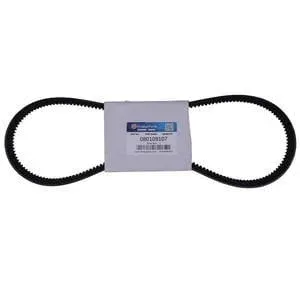
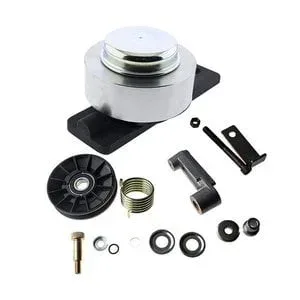
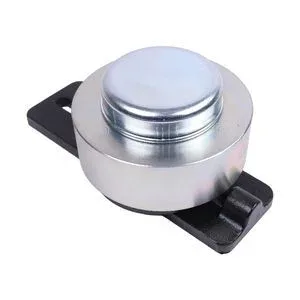
Matched Cooling-System Components Shipped Together — Belt tensioner and pulley wear checked against the new V-belt routing before the crate leaves Guangzhou, so the Perkins 404C-22 rebuild arrives as one verified set.
Technical Specifications
| Parameter |
Value |
| Part Number |
080109107 |
| Product Type |
Belt |
| Cross-Reference |
080109107 (reference only), T80109107 (reference only) |
| Machine Fitment |
Perkins 404C-22, Perkins 404C-22T, Perkins 104-22 |
| Condition |
New Aftermarket |
| Material |
Chloroprene rubber compound with high-tensile polyester cord reinforcement |
| Heat Resistance |
up to 120°C |
| Dimensional Tolerance |
±0.3 mm across length and cross-section |
| Profile |
Precision-molded trapezoidal |
| Warranty |
3–12 months against manufacturing defects |
| MOQ |
1 piece |
| Standards |
ISO 9001, ISO 4184, SAE J1459 |
Application Suitability
| Engine System |
Related Components |
| Cooling circuit drive |
Fan hub, water pump pulley, tensioner assembly, idler bearing |
| Upper-engine overhaul |
Thermostat, coolant hoses, fan clutch, cylinder head gasket set |
| Scheduled maintenance interval |
Belt, tensioner bearing, serpentine routing hardware as a matched set |
| Auxiliary drive on compact equipment |
Alternator pulley alignment, mounting bracket fasteners |
Why the Fan Belt Fails Again Within Weeks of a Cooling-Side Rebuild
A V-Belt for Perkins 404C-22 engine replacement is often the visible symptom of a deeper cooling-system fault, not the root cause itself.
In field overhaul experience, a shredded belt returned after only a few days of operation almost always traces back to a worn tensioner bearing, a misaligned pulley, or degraded coolant attacking the rubber compound from the inside. The belt is the weakest link in a chain of thermal and mechanical loads. Rebuild shops that treat the belt as an isolated consumable see repeat failures; those that verify the entire drive path before fitting a new one do not [NEED_CITE: cooling system drive belt failure root cause analysis for industrial diesel engines].

The Belt's Position Inside the Perkins 404-Series Cooling Circuit
This V-belt sits at the front of the engine, transferring crankshaft rotation to the cooling fan and, on many 404C-22 builds, the water pump. When the belt fails, coolant circulation stops and cylinder temperatures climb rapidly — an overheat event that can score cylinder walls before the operator notices. Treating the V-Belt for Perkins 404C-22 engine replacement as a system-level component rather than a simple wear item changes how the entire upper-engine job is planned.
What the Rebuild Sequence Must Address Before the New Belt Goes On
Before any new belt is tensioned, the tensioner pivot and idler pulley must be checked for axial and radial bearing play; even minor wobble causes the belt to walk off its pulley groove under load. Pulley groove wear must be measured against the trapezoidal profile of the belt — a worn groove pinches the belt sides, generating heat that degrades the chloroprene compound. Coolant condition matters too: spilled glycol on the belt surface softens the rubber and shortens service life dramatically [NEED_CITE: chloroprene belt chemical resistance and coolant contamination effects].
Material and Profile Choices That Match Sustained Thermal Cycling
The chloroprene rubber compound is selected for its resistance to the 120°C peak temperatures found near the fan hub of a working 404C-22, while the polyester cord reinforcement carries the tensile load without stretching under sustained high-RPM operation. The precision-molded trapezoidal profile must seat fully into the original pulley groove — any mismatch concentrates load on the belt edges, causing premature cracking and eventual cord separation. The ±0.3 mm dimensional tolerance across length and cross-section ensures consistent tension without overloading the tensioner spring.
The Cost of Skipping the Adjacent Component Check
When a rebuild shop fits a new belt onto a worn tensioner, the uneven load distribution destroys the replacement belt within a short operating window. The machine returns to the shop, the customer loses confidence, and the real cost is not the belt itself but the second teardown, the second coolant drain, and the machine downtime that extends the project schedule. Systematic root-cause verification costs a fraction of a repeat failure event [NEED_CITE: diesel engine cooling system preventive maintenance cost of repeat failure].
Why Rebuild Shops Source This Belt Through a System-Level Supplier
Own production on selected belt lines and qualified sourced supply on the remainder means the same QC standard and warranty terms apply whether the belt ships alone or inside a full 404C-22 overhaul kit. Eight product categories under one account let the cooling-system belt, thermostat, hose set, and seal kit ship as a single consignment rather than arriving from three different vendors on three different schedules. Part identification is confirmed from engine serial number, photograph, or nameplate image — critical when the original belt is shredded beyond recognition. Cross-reference verification covers superseded numbers like T80109107 against the current build sheet. Sample supply for fitment confirmation is available before any bulk commitment, and the technical team confirms tensioner compatibility and belt grade for the specific engine variant in question.
Documentation & Verification
- Commercial invoice listing belt part number, engine fitment, and cross-reference marked reference only
- Dimensional inspection record confirming belt length and trapezoidal cross-section within ±0.3 mm tolerance
- Compatibility sheet matching belt routing to specific Perkins 404C-22 serial range and pulley arrangement
- Warranty terms covering manufacturing defects for the stated coverage period
- Packing photographs showing belt coiled and protected from deformation during transit
- HS code provided for customs classification of rubber drive belts
Installation & Rebuild Sequence
- Verify tensioner bearing play and pulley groove condition before unboxing the new belt
- Clean all pulley surfaces of old rubber residue and coolant contamination
- Route belt per engine build sheet — variant differences exist within the 404C-22 family
- Set tension to specification and recheck after initial run-in cycle
- Inspect belt tracking and seating after the first hour of operation under load
Requesting the Right Belt for Your Engine Build
Provide the full Perkins engine model and serial number so the correct belt routing and length variant can be confirmed against the build sheet. If the original belt is destroyed, a photograph of the pulley arrangement and tensioner assembly allows identification without the old part. Share any known rebuild history — previous oversize work or non-standard pulley replacements affect which belt variant fits.
Frequently Asked Questions
Q: What other cooling-system parts should I replace along with the fan belt?
A: The tensioner assembly, idler pulley bearing, thermostat, and coolant hoses should all be inspected and typically replaced as a set during a cooling-side rebuild. A new belt fitted against worn hardware will fail prematurely, negating the value of the rebuild. Matched component supply ensures everything arrives together for a single teardown.
Q: My engine serial shows a variant — does the same belt number apply?
A: Not always. Perkins 404C-22 variants can differ in pulley arrangement, fan hub configuration, and belt routing path. The engine serial number must be checked against the build sheet to confirm whether 080109107 (reference only) or an alternate length is required. Providing the serial number at inquiry stage prevents a misfit.
Q: The old belt shredded quickly — what system fault should I check first?
A: Check the tensioner pivot for bearing play and the pulley grooves for wear or contamination. Misalignment, a seized idler, or coolant leaking onto the belt surface are the most common root causes of premature shredding. Addressing the fault before fitting the replacement belt prevents a repeat failure within the same operating window.
Q: Is this belt matched to the original pulley groove profile?
A: The precision-molded trapezoidal profile is manufactured to seat correctly in standard Perkins 404-series pulley grooves. However, pulleys that are heavily worn or previously replaced with non-standard parts may no longer match the original geometry. Measuring the groove before installation confirms whether the pulley or the belt needs attention.
Q: Can I order a complete cooling-system overhaul kit for the 404C-22?
A: Yes. The belt can be supplied alongside the thermostat, coolant hoses, seal kit, tensioner components, and gaskets as a single consolidated shipment. This approach eliminates split deliveries and ensures all cooling-side consumables are on hand when the engine is opened for rebuild.