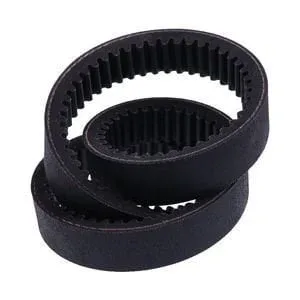
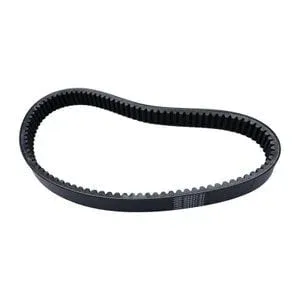
Matched Belt and Pulley Kits — Every transaxle variation belt 587086101 ships with verified cross-reference data covering superseded part numbers for Husqvarna and Ariens tractor transmission systems.
Technical Specifications
| Parameter |
Value |
| Part Number |
587086101 |
| Product Type |
Belt |
| Part Name |
Transaxle Variation Belt |
| Condition |
New Aftermarket |
| Cross-Reference |
532426740, 580486301, 584973901, 21548469, 21548408, 21549005, 587884401, 587884501, 426740, GT37401 (reference only) |
| Machine Fitment |
Husqvarna 917.289081, 917250830, 917203780, 917203850, 917203910, 917203920, 917203930, 917253790, 917253792, 917289080; Ariens 936048, 936049, 936073, 936074, 936075, 936076, 936077, 936083, 936084, 936085, 936086, 936089, 936095; RS800-SD series |
| Warranty |
3-12 months against manufacturing defects |
| Manufacturing Standard |
ISO-certified production partners |
Application Suitability
| Engine System |
Related Components |
| Transaxle drive — Husqvarna lawn tractors |
Tensioner assembly, idler pulleys, drive-system seals |
| Transaxle drive — Ariens riding mowers |
Variable-speed pulley halves, belt guards, transaxle input shaft seal |
| Transmission overhaul — RS800-SD series |
Matched belt-and-pulley sets, transaxle fluid, gasket kits |
| Scheduled drivetrain service — commercial landscaping fleets |
Complete belt kits by model series, tensioner springs, pulley bearings |
Why Repeat Belt Failures Keep Happening After Replacement
The belt is the symptom — the tensioner and pulleys are the cause.
When a transaxle variation belt fails prematurely, the instinct is to swap the belt and send the tractor back to work. In the warehouse, I have watched this cycle repeat countless times: a fresh belt installed on a Husqvarna 917250830 or an Ariens 936048, running fine for a short period, then showing the same glazing, cracking, or edge wear that took out the previous one. The root cause is almost always a worn tensioner that no longer holds correct deflection, a pulley with a corroded or scored sheave surface, or misaligned pulley halves on the variable-speed drive [NEED_CITE: variable-speed belt drive alignment and tension specifications for garden tractor transaxles]. Addressing only the broken transaxle variation belt 587086101 without diagnosing the surrounding drivetrain components means the new belt inherits the same destructive forces that destroyed its predecessor.
How This Belt Functions Inside the Tractor Drivetrain
The transaxle variation belt transfers rotational output from the engine crankshaft pulley to the transaxle input, passing through a variable-speed pulley arrangement that gives the operator ground-speed control. Within this system, the belt must flex continuously around small-diameter pulleys while maintaining grip under changing load conditions — accelerating from a stop, climbing a slope, or engaging a mower deck. A transaxle variation belt engine transmission rebuild replacement requires understanding this full load path, because every component between the crankshaft and the transaxle input shaft affects how long the belt survives in service.
Belt Construction and What the Material Choices Mean in Practice
High-tensile cord construction handles the constant tension and flex cycles inherent to variable-speed tractor drives. The rubber compound is formulated for resistance to oil mist, heat buildup, and abrasive debris — the three most common degradation agents in transaxle belt applications [NEED_CITE: elastomer compound resistance requirements for agricultural and grounds-maintenance belt drives]. Dimensional tolerances are held to match tractor pulley groove profiles, preventing the slippage that accelerates wear on both the belt and downstream transmission components. When planning a transaxle variation belt engine transmission rebuild replacement, these material and tolerance characteristics determine whether the belt reaches its expected service interval or requires another teardown within weeks.

The Cost of Ignoring Adjacent Drivetrain Components
Replacing the belt without inspecting the tensioner, idler pulleys, and variable-speed pulley halves invites repeat failure that costs far more in downtime than a complete kit would have cost in parts. A seized idler pulley bearing generates localized heat that blisters the belt backing within hours of operation. Worn pulley sheaves allow the belt to ride too deep in the groove, changing the effective pitch diameter and causing speed-control problems the operator will notice immediately [NEED_CITE: belt drive troubleshooting procedures for variable-speed lawn tractor transmissions]. The machine comes back to the workshop, the belt gets blamed, and the cycle starts again.
System-Level Supply from One Account
Our own production lines and qualified sourced supply operate under a single warranty and a single account, so a complete transaxle service kit — belt, tensioner, pulleys, seals — ships as one consignment rather than arriving from multiple vendors on different schedules. The eight product categories we carry mean the transaxle variation belt and every related drivetrain component consolidate into one order. Minimum order starts at one piece for emergency single-machine repairs. Guangzhou warehouse stock covers fast-dispatch items for common Husqvarna and Ariens models. Part identification works from a part number, a machine model, a photograph of a worn nameplate, or an image of the old belt itself. Cross-reference verification covers superseded numbers like 532426740, 580486301, and GT37401 so the correct variant ships. A sample can be supplied for fitment confirmation before a fleet-level bulk commitment. Our technical team confirms compatibility and grade against your specific tractor and transmission serial number.
Documentation & Verification
- Commercial invoice listing each belt variant and cross-reference number with reference-only designation
- Part compatibility sheet mapping 587086101 to specific Husqvarna and Ariens model-serial combinations
- Dimensional inspection record verifying belt length, width, and cord count before dispatch
- Warranty terms covering manufacturing defects for 3-12 months from shipment
- Packing photographs showing belt condition and protective wrapping before crate closure
- HS code and customs documentation support for international belt shipments
Installation & Rebuild Sequence
- Route the transaxle variation belt 587086101 following the factory path diagram, confirming it seats fully in each pulley groove before applying tension
- Clean all pulley sheave surfaces and inspect for scoring or corrosion that could damage the new belt backing
- Verify tensioner spring force and idler pulley bearing play before the transaxle variation belt engine transmission rebuild replacement is considered complete
- Run the drivetrain at low speed without the mower deck engaged, listening for squeal that indicates misalignment or insufficient tension
- Recheck belt deflection after the initial warm-up cycle and adjust the tensioner to specification
Provide Your Tractor Details for a System-Matched Quote
Share the tractor model, transmission serial number, and any previous rebuild history so we can confirm which cross-reference number applies and whether adjacent components should be included in the same shipment. A photograph of the old belt or the machine nameplate speeds identification when numbers are worn or painted over. We will return a verified compatibility confirmation along with the matched component list.
Frequently Asked Questions
Q: What other components should I inspect when replacing the transaxle variation belt?
A: Inspect the tensioner assembly for spring fatigue and arm pivot wear, check all idler pulleys for bearing play and sheave surface condition, and examine the variable-speed pulley halves for smooth travel and corrosion. On Husqvarna and Ariens tractors, these adjacent components are the most common root causes of premature belt failure. Replacing them alongside the belt prevents repeat downtime.
Q: Are there variant differences within the same base part number across models?
A: Yes. The base number 587086101 and its cross-references like 532426740 or 580486301 may correspond to different belt lengths or widths depending on the tractor model and transmission build date. Superseded numbers add further variation. Confirm your specific machine model and transmission serial number so we can verify which variant fits before shipping.
Q: How do I confirm which cross-reference number applies to my tractor?
A: Provide the tractor model number and, ideally, the transmission serial number or a photograph of the old belt markings. We cross-reference all listed alternate numbers — including 584973901, 21548469, GT37401, and others — against your machine data to confirm a verified match before the order ships.
Q: What causes a new belt to fail shortly after installation?
A: The most common causes are a worn tensioner that cannot maintain correct deflection, a seized or dragging idler pulley bearing, and misaligned pulley sheaves. Any of these conditions generates excess heat and uneven loading that destroys belt rubber and cords rapidly. Diagnose and correct these issues during the transaxle variation belt engine transmission rebuild replacement to achieve full service life.
Q: Can I order a matched set of belt, tensioner, and pulleys together?
A: Yes. We supply the transaxle variation belt alongside compatible tensioners, idler pulleys, variable-speed pulley components, and drive-system seals as a consolidated kit. All items ship under one account and one warranty, so the complete drivetrain service arrives together and the machine goes back to work without waiting for a second delivery.