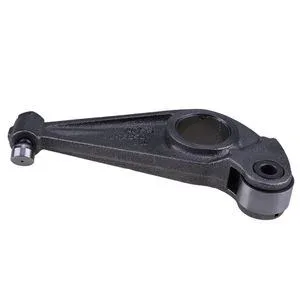
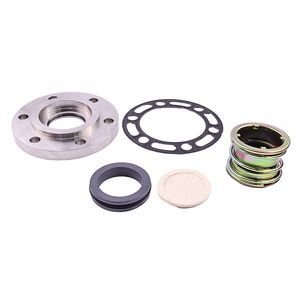
Matched Valvetrain Sets — exhaust camshaft verified against Hyundai/Kia 2.0L DOHC engine build codes to ensure correct lobe profile and journal diameter.
Technical Specifications
| Parameter |
Value |
| Part Number |
24200-2E074 |
| Product Type |
Camshaft |
| Cross-Reference |
24200-2E074 (reference only), 24200-2E084 (reference only) |
| Machine Fitment |
Hyundai Elantra (2016-2020), Kona (2018-2021), Veloster (2019-2021); Kia Forte 2.0L (2019-2023), Seltos 2.0L (2021-2024), Soul 2.0L (2020-2024) |
| Engine Compatibility |
2.0L L4 GAS DOHC Naturally Aspirated |
| Condition |
New Aftermarket |
| Material |
Alloy Steel |
| Surface Hardness |
HRC50-55 |
| Dimensional Tolerance |
±0.02mm |
| Warranty |
3-12 months against manufacturing defects |
| Minimum Order |
1 piece |
| Certification |
ISO 9001 |
Application Suitability
| Engine System |
Related Components |
| Valvetrain Assembly |
Intake camshaft, hydraulic lifters, valve springs, timing chain |
| Top-End Sealing |
Camshaft seals, valve cover gasket, timing cover seals |
| Lubrication Circuit |
Oil pump, oil filter, camshaft journal feed galleries |
| Timing Drive |
Timing chain tensioner, chain guides, sprockets |
Why Overhaul Kits Often Fail This Engine Build
The gasket set on the shelf is usually missing the exact camshaft seal for this 2.0L DOHC variant. Rebuild shops tearing down Hyundai and Kia 2.0L engines frequently find that journal grades and lobe profiles shift across production runs, and the generic overhaul kit does not cover every seal needed for the specific build code in front of them [NEED_CITE: engine build code identification procedures for Hyundai Kia 2.0L platforms].
This exhaust camshaft 24200-2E074 replacement belongs to a valvetrain system where matched wear matters. Installing a new camshaft against worn hydraulic lifters or a stretched timing chain invites early lobe failure. A proper rebuild sequences every mating component together so the top-end assembly returns to service with consistent tolerances across all contact surfaces.
Valvetrain System Context and Component Matching
The exhaust camshaft operates in direct coordination with the intake camshaft, hydraulic lifters, valve springs, and timing chain within the 2.0L L4 DOHC engine. Mismatched wear across these components accelerates re-failure because the new camshaft absorbs load patterns from worn mating parts. Engine rebuild shops ordering this exhaust camshaft 24200-2E074 replacement should verify that hydraulic lifters and valve springs are within specification before committing to a top-end reassembly.
Engine Serial Variants and Build Code Differences
The Hyundai/Kia 2.0L L4 DOHC platform has undergone multiple production runs where camshaft lobe profiles and journal diameters vary by build code. Confirming the engine serial number and build code before ordering prevents the situation where the camshaft physically fits the head but produces incorrect valve timing events. I have encountered cases in Central Asian rebuild markets where a standard camshaft was installed into a block that had been previously machined to accept different bearing clearances, forcing a full teardown to source the correct variant [NEED_CITE: engine serial variant cross-reference procedures for DOHC platforms].
Dimensional Tolerance and Material Behavior Under Thermal Load
The alloy steel construction and HRC50-55 surface hardness specification address the thermal cycling and contact stress that camshaft lobes endure in a naturally aspirated DOHC application. The ±0.02mm dimensional tolerance on journal diameters ensures proper oil film thickness between the camshaft and its bearing surfaces, which is critical because oil starvation is a primary root cause of premature lobe wear. Rebuild shops should measure existing bearing clearances before installation, as previous machining work may have altered the original specifications and require a different grade or oversize component.

The Hidden Cost of Skipping Root-Cause Diagnosis
Replacing the camshaft without identifying why the original unit failed is a pattern that keeps engines returning to the teardown bay. Premature camshaft lobe wear on this 2.0L platform often traces back to oil starvation from clogged feed galleries, incorrect oil viscosity selection, or a failed timing chain tensioner that allowed chain slap against the camshaft sprocket. Addressing the failed part without correcting the underlying system fault means the new exhaust camshaft 24200-2E074 replacement will experience the same failure mode within a shortened interval [NEED_CITE: root cause analysis methodology for valvetrain wear patterns].
Why Source This Camshaft Through Our Supply Chain
Own production lines and qualified sourced supply operate under one warranty account, so whether this camshaft ships from our facility or a partner line, the quality inspection and coverage terms remain consistent. Eight product categories under a single account mean the overhaul gasket set, timing chain kit, and hydraulic lifters all ship in one consignment rather than arriving from multiple vendors on different schedules. Minimum order of one piece supports the emergency single-engine rebuild as readily as the fleet overhaul program. Guangzhou warehouse stock on common Hyundai/Kia 2.0L components enables fast dispatch for standard variants. Part identification from engine serial number, photograph, or nameplate image eliminates guesswork when the original camshaft stamping is illegible. Cross-reference verification covers superseded numbers including the 24200-2E084 interchange to prevent ordering errors.
Documentation & Verification
- Commercial invoice listing engine build code and camshaft variant for customs accuracy
- Cross-reference sheet mapping 24200-2E074 and 24200-2E084 with reference only notation
- Dimensional inspection record covering journal diameter and lobe lift measurement
- Warranty terms document specifying coverage period and manufacturing defect scope
- Packing photographs showing camshaft protective wrapping before crate closure
- HS code and customs documentation support for international engine parts shipment
Installation & Rebuild Sequence
- Clean all oil feed galleries in the cylinder head before camshaft installation to prevent debris damage
- Verify bearing clearance with plastigauge on each journal before final torque sequence
- Install timing chain and align timing marks before releasing the tensioner onto the new sprocket
- Prime the lubrication system and confirm oil pressure at idle before loading the engine
- Run initial break-in at moderate RPM to seat lobe surfaces against hydraulic lifters evenly
Request a Compatibility Confirmation
Provide the engine model designation, serial number, and any prior rebuild history so we can verify which camshaft variant matches your specific block and head combination. Include photographs of the existing camshaft stamping and nameplate if visible, and note whether the engine has undergone previous machining work on bearing surfaces. This information allows us to confirm dimensional grade, cross-reference the correct interchange number, and identify which overhaul kit contents your engine build requires.
Frequently Asked Questions
Q: What other valvetrain components should be replaced together with the exhaust camshaft?
A: The intake camshaft, hydraulic lifters, timing chain, tensioner, and chain guides should all be evaluated as a matched set. Worn lifters or a stretched chain will impose irregular load patterns on the new exhaust camshaft 24200-2E074, accelerating lobe wear. Replacing these components together ensures consistent valve timing and contact stress across the entire top-end assembly.
Q: Does the overhaul gasket kit include the camshaft seal for this engine variant?
A: Generic overhaul kits often omit variant-specific seals. Confirm that the gasket set includes the camshaft seal, valve cover gasket, and timing cover seal matched to your exact engine build code. We verify kit contents against your engine serial number before dispatch to prevent mid-rebuild parts shortages.
Q: How do I confirm which camshaft variant fits my specific engine serial number?
A: Provide the engine serial number and build code from the block stamping or vehicle identification data. The 2.0L L4 DOHC platform has multiple production runs with differing journal diameters and lobe profiles. We cross-reference your serial against production records to supply the correct variant, including superseded interchange numbers where applicable.
Q: What oil system issues could have caused the original camshaft to fail?
A: Common root causes include clogged oil feed galleries restricting flow to the camshaft journals, oil viscosity too thin for operating temperatures, or a failed timing chain tensioner allowing chain contact with the sprocket. Diagnosing and correcting the lubrication fault before installing the replacement prevents repeat failure within a shortened service interval.
Q: Can I order matched intake and exhaust camshafts as a set?
A: Yes, matched sets ensure both camshafts have consistent lobe profiles and journal diameters for the same engine build code. Ordering as a pair eliminates the risk of pairing a new exhaust unit with an intake camshaft that has different wear characteristics, which would produce uneven valve timing and accelerated degradation of the new components.