System-Level Verification — Each 154537-001 replacement belt is cross-referenced against engine serial variants and adjacent pulley condition records to prevent repeat failures within the first service cycle.
Technical Specifications
| Parameter |
Value |
| Part Number |
154537-001 |
| Product Type |
Belt |
| Cross-Reference |
154537-001 (reference only), 154537001 (reference only) |
| Machine Fitment |
Vermeer BC600XL Brush Chipper |
| Material |
Aramid tensile cords, EPDM rubber compound |
| Profile |
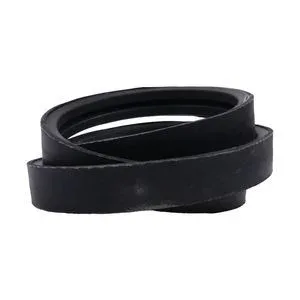
A-section (trapezoidal) |
| Dimensional Tolerance |
±0.3 mm |
| Operating Temperature Range |
-10°C to +65°C |
| Certification |
ISO 9001, ISO 4184, SAE J1459 |
| Condition |
New Aftermarket |
| MOQ |
1 piece |
| Warranty |
6 months against manufacturing defects |
Application Suitability
| Engine System |
Related Components |
| Belt drive and power transmission |
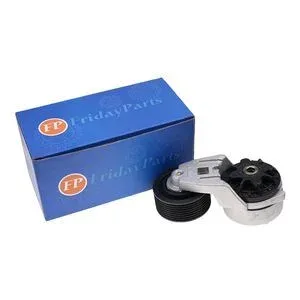
Tensioner assembly, idler pulleys, drive pulley |
| Ancillary drive for hydraulic pump |
Pump mounting flange alignment, pulley bearings |
| Engine accessory drive circuit |
Serpentine routing guides, belt guard hardware |
| Scheduled maintenance overhaul |
Complete seal kit, associated gaskets, bearing shells |
When a Drive Belt Replacement Signals a Deeper Engine System Issue
A belt that shreds or slips within the first weeks of installation is rarely a belt problem — it is a symptom of misalignment, worn tensioner bearings, or pulley surface degradation that was never addressed during the last service event.
The root cause lives in the surrounding drive system components, not the belt itself.
In my years handling warranty returns at the Guangzhou parts hub, the most common complaint pattern involves a replacement belt failing prematurely because the tensioner bearing had developed play, or a pulley had accumulated enough wear to alter the contact geometry. The new belt absorbs the misalignment stress, and the cycle repeats. Shops that only swap the belt without inspecting the full drive circuit end up performing the same job two or three times before identifying the actual fault. [NEED_CITE: belt drive system failure analysis methodology for industrial chippers]

The Belt's Role Within the Power Transmission System
This 154537-001 belt sits at the intersection of the engine's accessory drive circuit and the brush chipper's primary cutting mechanism. It transmits crankshaft torque through the pulley arrangement to the feed system and cutting drum. When planning a drive belt engine system replacement rebuild, the belt should be evaluated alongside its tensioner, idler pulleys, and the bearings that support each rotating element in the chain.
Engine Serial Variants and Adjacent Component Matching
Different production runs of the BC600XL may carry distinct pulley diameters or tensioner spring rates, meaning a belt that fits the groove profile on one build year may run too loose or too tight on another. Confirming the engine serial variant before ordering ensures the A-section trapezoidal profile seats correctly without bottoming out or riding high on the pulley flanks. [NEED_CITE: Vermeer BC600XL engine serial variant differences in belt drive configuration] Mismatched tension leads to accelerated sidewall wear on the EPDM compound and eventual cord exposure.
Material and Tolerance Interpretation for Drive System Durability
The aramid tensile cords provide the primary load-bearing structure within the belt cross-section, resisting elongation under the cyclic shock loads that a brush chipper imposes when processing irregular timber. EPDM rubber compound surrounding those cords resists ozone cracking and heat buildup from continuous slip events. The ±0.3 mm dimensional tolerance ensures the trapezoidal profile engages the pulley grooves uniformly across the full contact face rather than concentrating stress on one flank. An operating temperature range of -10°C to +65°C covers typical field conditions, though sustained operation near the upper boundary accelerates compound hardening over time.
The Cost of Skipping System-Level Diagnostics
Replacing only the belt while leaving a worn tensioner in place produces predictable outcomes: the new belt tracks unevenly, develops localized heat spots, and fails at the same location where the previous one broke. Shops that adopt this symptom-only approach accumulate repeat visits, wasted labor hours, and customer frustration. [NEED_CITE: repeat failure cost analysis for belt-driven accessory systems] The hidden expense is not the belt itself — it is the machine downtime and the second teardown required to fix what should have been caught the first time.
Why Source This Drive System Component Here
Our Guangzhou warehouse maintains stock of fast-moving belt drive components so common items dispatch without multi-week waits. Both self-produced and sourced supply lines carry identical QC and warranty terms, so you receive consistent coverage regardless of which facility manufactured the part. Cross-reference verification covers superseded and alternate numbers, catching substitutions that copied tables often get wrong. A single-piece minimum order means emergency single-belt purchases are never blocked by volume thresholds. Our technical team confirms engine serial compatibility and tensioner condition requirements before shipment, reducing the chance of a return.
Documentation & Verification
- Commercial invoice and packing list referencing belt batch and production date
- Compatibility sheet noting 154537-001 cross-reference (reference only) and engine serial range
- Dimensional inspection record covering profile tolerance and cord tension test
- Warranty terms sheet specifying coverage period and exclusions
- Packing photographs documenting belt condition at dispatch
Installation & Rebuild Sequence
- Verify pulley groove condition and bearing play before fitting the new A-section belt
- Route the belt per OEM service manual diagram and set tensioner to specified deflection
- Confirm alignment of all idler pulleys to prevent the belt from tracking off-center
- Run the engine at idle for initial seating, then inspect belt tracking under no-load conditions
- Re-check tension after the first hour of operation as EPDM compound beds into pulley grooves
Request a Quote With Complete System Context
Provide your engine model, serial number, and any available maintenance history so we can verify the correct belt specification and identify which adjacent components should be inspected or replaced simultaneously. If the machine nameplate is unreadable, a photograph of the existing belt and pulley arrangement allows our team to confirm fitment. Requesting a matched set that includes the tensioner and pulley bearings ensures all system-critical items arrive together for a single repair event.
Frequently Asked Questions
Q: What other components should be replaced along with the drive belt?
A: The tensioner assembly, idler pulley bearings, and drive pulley should all be inspected for wear, play, and surface degradation during every belt replacement. If the previous belt failed prematurely, these adjacent components are likely contributors. Supplying the belt together with matched tensioner and pulley components as a single kit eliminates partial repairs and ensures system-level reliability from the first restart.
Q: How do I verify this belt matches my BC600XL's engine serial variant?
A: Provide the engine serial number and machine build year so we can cross-reference the correct belt specification against our database. Some BC600XL production runs use different pulley diameters that affect belt length requirements. A photograph of the existing belt and routing path helps confirm the A-section profile matches your machine's drive configuration before shipment.
Q: What caused the previous belt to fail — and how do I prevent it?
A: Premature belt failure typically traces to worn tensioner bearings, misaligned pulleys, or degraded pulley surfaces rather than belt quality alone. Inspect the full drive circuit for play, runout, and groove wear before fitting the replacement. Addressing the root cause during the same service event prevents repeat failures and the associated labor cost of a second teardown.
Q: Can I order a matched set of belts, tensioners, and pulleys together?
A: Yes, we supply matched drive system kits containing the belt, tensioner, pulleys, and associated bearings under one order and one warranty. Consolidating these items into a single consignment avoids split freight and ensures all components arrive together. This approach supports distributors and repair centres quoting complete overhaul jobs rather than single-part replacements.
Q: What does the quality inspection record cover before shipment?
A: Each inspection record documents the dynamic tensile test result at rated load, dimensional verification of the A-section profile within ±0.3 mm tolerance, and visual assessment of the EPDM compound surface. The record travels with the shipment so you can verify conformance against your acceptance criteria before installation begins.