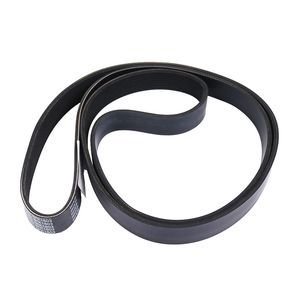
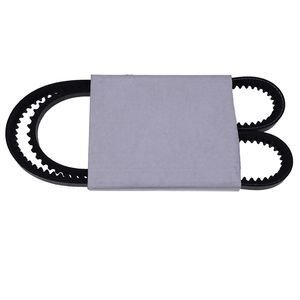
Matched Sets Shipped Together — Every Clutch Drive Belt 3211218 order cross-checked against engine serial variants and paired with adjacent drivetrain components for system-level rebuild accuracy.
Technical Specifications
| Parameter |
Value |
| Part Number |
3211218 |
| Product Type |
Belt |
| Cross-Reference |
26C4057, 3211218 (for identification purposes only) |
| Machine Fitment |
Ranger XP 1000 EPS Trail Boss (2021), Ranger XP 1000 EPS Premium Winter Prep (2020), Ranger XP 1000 EPS Premium (2020), Ranger SP 570 EPS Premium (2022-2023), Ranger SP 570 EPS NorthStar (2022-2024), Ranger SP 570 EPS (2022-2024), Ranger Crew XP 1000 EPS Premium (2020), Ranger Crew SP 570 EPS Premium (2022-2023), Ranger Crew SP 570 EPS NorthStar (2022-2024), Ranger Crew SP 570 EPS (2022-2024), Ranger Crew 1000 EPS Premium Winter Prep (2021-2022), Ranger Crew 1000 EPS Premium (2020-2024), Ranger Crew 1000 EPS (2020-2024), Ranger Crew 1000 (2020-2024), Ranger 530 EPS (2023), Ranger 1000 EPS Premium Winter Prep (2021-2022), Ranger 1000 EPS Premium (2020-2024), Ranger 1000 EPS (2020-2024), Ranger 1000 (2020-2024), Pro XD Mid-Size Gas (2022-2024), Pro XD Mid-Size Crew Gas (2022-2024), Pro XD Full-Size Gas (2022-2024), Pro XD Full-Size Crew Gas (2022-2024), Pro XD Full Size Gas, Pro XD 4000G (2020-2021), Pro XD 2000G (2020-2021) |
| Part Name |
Clutch Drive Belt |
| Condition |
New Aftermarket |
| Warranty |
3-12 months against manufacturing defects |
| MOQ |
1 piece |
| Standard |
ISO 9001 |
Application Suitability
| Engine System |
Related Components |
| Primary CVT power transfer |
Clutch sheaves, drive clutch assembly, driven clutch spring |
| Engine-to-drivetrain coupling |
Tensioner components, cooling ducts, clutch alignment shims |
| High-load utility operation |
Weight rollers, spider gear, one-way bearing in drive clutch |
| Fleet overhaul scheduling |
Complete belt service kit, gasket sets for clutch cover |
Why a New Belt Fails Before the First Oil Change
Replacing the belt without diagnosing the clutch assembly is treating the symptom, not the cause.
I have seen this pattern repeat across utility vehicle fleets in the Pearl River Delta parts hub. A workshop installs a fresh Clutch Drive Belt 3211218 and the machine goes back to work. Three weeks later, the same belt returns with edge fraying or heat glazing. The belt was not the defective part — the worn sheave faces, a fatigued spider spring, or a blocked cooling passage created the conditions that destroyed it. [NEED_CITE: CVT belt failure root cause analysis methodology for utility vehicles] When the Clutch Drive Belt engine rebuild replacement is treated as an isolated swap rather than a system-level intervention, shops absorb repeat teardown labor and the customer loses confidence. This is especially common on Polaris Ranger 1000 and Pro XD platforms where the CVT operates under sustained high-torque conditions during agricultural hauling or construction site duty.

The CVT System This Belt Serves
The Clutch Drive Belt 3211218 sits at the core of a continuously variable transmission that transfers engine output through a drive clutch and a driven clutch. This belt must maintain precise cross-sectional engagement with both sheave sets across the full RPM sweep. When adjacent components — sheave bushings, roller weights, or the driven clutch spring — fall outside tolerance, the belt slips under load, generates excess heat, and degrades prematurely.
Addressing What Destroyed the Previous Belt
A proper engine rebuild replacement sequence starts with inspecting the drive clutch sheave faces for scoring and checking the spider for fatigue cracks. [NEED_CITE: CVT clutch inspection standards for off-road utility platforms] The driven clutch spring must be measured against its free-length specification, and the one-way bearing in the drive clutch should be tested for back-drive resistance. Only after these components are verified or replaced does installing a new Clutch Drive Belt 3211218 make sense. Skipping this sequence means the new belt enters the same hostile environment that destroyed its predecessor. On Polaris Pro XD 4000G and Pro XD Full-Size Gas models operating under continuous heavy loads, the thermal cycle is particularly punishing, and any marginal component accelerates belt degradation.
Cross-Sectional Profile and Tensile Construction
The belt's cross-sectional geometry must match the sheave angle of the specific clutch assembly to maintain consistent contact area under varying RPM. A profile mismatch causes the belt to ride too high or too low in the sheave groove, creating uneven wear bands. The reinforced tensile cord construction resists the stretching forces generated during rapid acceleration and load transitions. Heat-resistant rubber compounding around the cord package prevents the thermal breakdown that manifests as surface cracking and ply separation — the failure mode most commonly misdiagnosed as a defective belt rather than a cooling system deficiency.
The Hidden Cost of Skipping System Diagnostics
When a shop installs a replacement belt without addressing worn sheaves or a fatigued tensioner spring, the machine returns within weeks. The second teardown costs the same labor again, and now the customer questions the parts quality rather than the diagnostic process. [NEED_CITE: repeated CVT belt replacement cost impact on fleet maintenance budgets] On multi-vehicle Polaris Ranger Crew 1000 fleets, this pattern compounds across units because the same operational conditions affect all machines identically. A single undiagnosed cooling passage blockage can cycle through multiple belt replacements before someone traces the failure to its actual origin.
Why Source This Clutch Drive Belt Here
Our Guangzhou warehouse maintains stock of this belt for rapid dispatch, and every unit ships under the same QC and warranty terms whether from our own production lines or qualified ISO-certified manufacturing partners. Cross-reference verification between 26C4057 and 3211218 covers superseded numbers across Polaris model generations, so the correct variant reaches the right engine build. We supply samples for fitment confirmation before bulk commitment, allowing rebuild shops to verify sheave engagement on their specific clutch assembly. Our technical team confirms compatibility against engine serial variants and model year differences, addressing the exact variant questions that generic listings leave unresolved. Single-piece orders ship without MOQ barriers for emergency rebuild situations.
Documentation & Verification
- Commercial invoice listing part number 3211218 with cross-reference to 26C4057 for customs clarity
- Compatibility sheet mapping Ranger and Pro XD model years to the correct belt variant
- Dimensional inspection record confirming cross-sectional profile against clutch sheave specification
- Warranty terms covering manufacturing defects for 3 to 12 months from dispatch
- Packing photographs showing belt condition and protective packaging before crate closure
- HS code documentation supporting smooth customs clearance for international shipments
Installation & Rebuild Sequence
- Inspect drive clutch sheave faces for scoring before mounting the new Clutch Drive Belt 3211218
- Clean CVT housing interior and verify cooling passages are free of debris and oil residue
- Confirm driven clutch spring free-length and one-way bearing engagement prior to belt routing
- Route belt following the manufacturer rotation arrow and verify sheave seating without forced tension
- Run engine at idle for initial warm-up cycle and observe belt tracking on both clutch assemblies
- Record break-in observations and schedule first inspection after the initial operational period
Requesting a Compatibility Confirmation
Provide your Polaris model designation, production year, and engine serial number so we can confirm whether 26C4057 or 3211218 is the applicable variant for your specific build. If the nameplate is worn or painted over, a photograph of the existing belt alongside the clutch assembly allows our team to cross-reference the correct replacement. Include any prior rebuild history or known drivetrain modifications that may affect belt selection.
Frequently Asked Questions
Q: What other drivetrain components should be inspected when replacing this belt?
A: Before installing a new Clutch Drive Belt 3211218, inspect drive clutch sheave faces for scoring, check the spider spring for fatigue, measure the driven clutch spring free-length, and test the one-way bearing for proper engagement. Blocked CVT cooling passages are a frequent hidden cause of premature belt failure that must be cleared during the same service event.
Q: How do I confirm whether 26C4057 or 3211218 is the correct number for my engine build?
A: Provide the exact Polaris model name, production year, and engine serial number. These two numbers serve as cross-reference identifiers, and the correct variant depends on the specific engine build and clutch assembly configuration used in your machine. Our team verifies the applicable number before dispatch.
Q: Can different Polaris model years with the same model name require different belt variants?
A: Yes. Polaris has updated clutch assemblies and belt specifications across Ranger 1000 and Pro XD model generations. A Ranger Crew 1000 EPS from 2020 may use a different belt variant than a 2023 unit despite sharing the same model badge. Always verify against engine serial number rather than model name alone.
Q: What clutch or sheave conditions cause premature belt failure even with a new replacement?
A: Scored sheave faces create friction points that generate localized heat and edge fraying. A fatigued spider spring reduces clamping force, allowing the belt to slip under load. Worn sheave bushings introduce wobble that accelerates uneven wear. Any of these conditions will destroy a new belt within weeks if not corrected during the rebuild.
Q: How do I provide machine identification when the nameplate is worn or painted over?
A: Send clear photographs of the existing belt, the clutch assembly, and any visible casting numbers on the CVT housing. Our technical team cross-references these visual details against Polaris production records to identify the correct belt variant, even when standard identification plates are no longer readable.