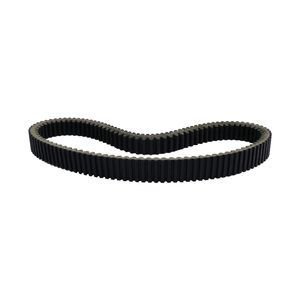
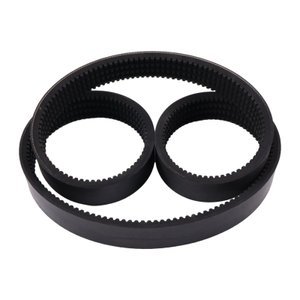
Complete Engine Front-End Kit — idler pulley, torsion spring, pivot arm, and O-rings ship together so the belt-drive overhaul stays a single job.
Technical Specifications
| Parameter |
Value |
| Part Number |
6662997, 6702474, 6725212 |
| Cross-Reference (reference only) |
6662997, 6702474, 6725212 |
| Product Type |
Belt Tensioner |
| Machine Fitment |
653, 751, 753, 763, 773, 7753, 853, 863, 864, 873, 883, 963, S130, S150, S160, S175, S185, S205, S220, S250, S300, T140, T180, T190, T200, T250, T300, A220, A300 |
| Brand Compatibility |
Replacement for BOBCAT skid steer and track loaders |
| Condition |
New Aftermarket |
| Warranty |
6-month warranty against manufacturing defects |
| MOQ |
1 piece |
| Kit Contents |
Idler Pulley, Torsion Spring, Arm, O-rings |
| Bearing Type (Idler Pulley) |
608ZZ deep-groove ball bearing with double-lip nitrile seals (IP54 rated) |
| Spring Material |
ASTM A228 music wire, heat-treated to Rockwell C47–50 |
| Arm Material |
6061-T6 aluminum alloy, CNC-machined (±0.05 mm dimensional tolerance) |
| O-ring Specification |
SAE J200 Class B nitrile elastomer (compression set resistant at 120°C) |
| Quality Standard |
ISO 9001 |
Application Suitability
| Engine System |
Related Components |
| Fan drive / cooling belt circuit |
Drive belt, water pump pulley, fan hub, coolant hoses |
| Alternator / charging belt circuit |
Alternator mounting bracket, alternator belt, terminal hardware |
| Complete engine front-end overhaul |
Front crankshaft seal, harmonic balancer, timing cover gasket set |
| Accessory drive restoration |
Idler bracket, belt guard, tensioner mounting bolts |
Why the Belt-Drive System Fails Again Weeks After a Tensioner Swap
Replacing the tensioner alone rarely fixes the root cause of belt-drive failure on Bobcat skid steer and track loader engines.
When a machine comes back with belt squeal or shredded edges within a few weeks of service, the tensioner was usually only one part of a worn system. The pulley bearing develops play, the spring loses its torque curve after thousands of heat cycles, and the O-rings flatten past their compression set limit. An engine rebuild shop or repair centre that addresses only the visible symptom ends up booking the machine in again, burning labour hours the customer notices. Belt Tensioner engine rebuild parts for Bobcat skid steer and track loaders need to be treated as a matched assembly, not a standalone line item [NEED_CITE: belt-drive system failure root cause analysis for diesel-powered compact equipment].
I spent years in Shandong handling warranty claims where machines returned because the job was only half done. The pattern was always the same: one component swapped, the adjacent wear items ignored, and the whole system back in the shop before the next oil change.
The Tensioner's Place in the Engine Front-End Rebuild
During a full engine overhaul or a cooling system restoration, the belt-drive circuit is the last subsystem assembled before the machine returns to service. This Belt Tensioner kit sits at the intersection of the fan drive, alternator drive, and any auxiliary belt loops the engine uses. If the spring torque is wrong or the pulley bearing has radial play from the start, the belt tracks poorly and throws heat into the entire front-end assembly. Supplying the tensioner with its matched arm, spring, and seals means the rebuild shop can torque the pivot bolt and move on, rather than hunting for individual components that may arrive from different vendors on different days.
Checking the Engine Build Before Ordering
Bobcat loaders across the 873, 963, S250, and T250 range were produced over multiple generations, and the belt-drive layout can shift between early and late engine serial prefixes. A machine that has been through a prior rebuild may already carry non-standard components — an oversize pulley, a substituted spring, or a bracket drilled for a different tensioner arm geometry. Before confirming this kit, cross-referencing the engine serial prefix against the service manual catches variant mismatches before the parcel ships [NEED_CITE: engine serial prefix variation in compact loader belt-drive configurations].
Reading the Specifications That Actually Matter on a Tensioner Kit
The 608ZZ bearing inside the idler pulley carries double-lip nitrile seals rated IP54, which blocks the fine silica dust and oil mist typical inside a loader engine compartment. A standard open bearing in the same position would ingest contamination and develop audible roughness within a short operating window. The torsion spring uses ASTM A228 music wire heat-treated to Rockwell C47–50, giving it the fatigue resistance needed when the engine cycles between idle and governed speed hundreds of times per shift. The 6061-T6 aluminum arm is CNC-machined to ±0.05 mm, so the pivot geometry stays consistent from unit to unit — a tolerance that matters when the belt tracks across multiple pulleys on a compact engine block. O-rings in SAE J200 Class B nitrile resist compression set up to 120°C, maintaining their sealing profile where cheaper elastomers flatten and allow the arm to wobble on its pivot.

What Happens When the Kit Is Incomplete or Mismatched
A tensioner arm with incorrect pivot geometry puts lateral load on the belt, accelerating edge wear and eventually throwing the belt off the pulley stack entirely. A spring that is too soft for the specific engine variant lets the belt slip under alternator load, draining the battery and triggering electrical fault codes the operator does not connect back to a mechanical root cause. These failures are rarely catastrophic in the first instance — they are the kind that sends the machine back for a diagnostic visit, racks up bench time, and erodes the repair centre's reputation with the fleet owner [NEED_CITE: accessory drive belt slip and electrical system fault correlation in mobile diesel equipment].
Why Buyers Source This Kit Through XUNPO
Self-produced and qualified sourced components carry the same inspection standard and the same 6-month warranty, so there is no quality split within the kit. Eight product categories under one account mean the belt, the front crankshaft seal, and the timing cover gasket set can ship in the same consignment. Orders start at one piece for emergency overhauls, with no minimum blocking a single replacement. Guangzhou warehouse stock on fast-moving tensioner references supports rapid dispatch for common Bobcat loader models. Part identification works from the OEM reference number, the machine model plate, or a photograph of the worn assembly — whichever the buyer has on hand [NEED_CITE: aftermarket cross-reference verification methodology for superseded engine component numbers]. Technical staff confirm engine serial compatibility and spring torque variant before the order is packed.
Documentation & Verification
- Commercial invoice listing each kit component — pulley, spring, arm, O-rings — as separate line items for customs and inventory tracking.
- Cross-reference sheet mapping 6662997, 6702474, and 6725212 to compatible Bobcat loader models, marked reference only.
- Dimensional inspection record covering arm pivot bore, pulley bearing preload, and spring free length before dispatch.
- Warranty terms document specifying coverage across the complete kit assembly, not individual components in isolation.
- Packing photographs taken at the bench showing kit contents verified against the order list prior to carton sealing.
- HS code and export classification support provided for each kit component to smooth customs clearance.
Installation & Rebuild Sequence
- Clean the tensioner mounting face on the engine front cover to bare metal before positioning the arm pivot.
- Confirm the pivot bore on the new arm matches the engine block boss diameter — a loose fit introduces harmonic flutter.
- Install the torsion spring in the correct winding direction per the service manual; reversed orientation gives near-zero tension.
- Seat the double-lip nitrile bearing seal fully into the pulley bore and check for free rotation without radial play.
- Torque the pivot bolt to the specified value and verify belt deflection at the longest unsupported span.
- Run the engine through two complete warm-up and cool-down cycles, then re-check belt tracking and spring tension.
Preparing Your Inquiry
To confirm the correct Belt Tensioner engine rebuild parts for Bobcat skid steer and track loaders, share the engine model and serial number prefix from the data plate. If the engine has been previously rebuilt, note any known substitutions or oversize components already fitted. A photograph of the existing tensioner assembly — including the arm profile and pulley diameter — helps the technical team verify variant match before the kit is dispatched.
Frequently Asked Questions
Q: What is included in the belt tensioner kit and what else should be replaced at the same time?
A: The kit contains the idler pulley with sealed bearing, torsion spring, CNC-machined aluminum arm, and SAE J200 Class B O-rings. During an engine front-end overhaul, the drive belt, front crankshaft seal, and any adjacent idler brackets should also be inspected and typically replaced together to avoid a repeat visit.
Q: Does the tensioner fit all engine variants across the listed Bobcat models?
A: The OEM reference numbers 6662997, 6702474, and 6725212 cover a broad range of Bobcat skid steer and track loaders, but belt-drive geometry can vary by engine serial prefix. Confirming the specific engine build before ordering ensures the arm profile and spring rate match the machine.
Q: How can I confirm the correct kit if the engine has been previously rebuilt?
A: Provide the engine serial number and any known rebuild details. The technical team cross-references the current assembly against the original build specification and flags any variant differences that would affect tensioner compatibility or spring torque requirements.
Q: Should the drive belt be replaced together with the tensioner, and which belt part number applies?
A: Replacing the belt alongside the tensioner is standard practice during a system overhaul, as a glazed or cracked belt will not seat properly on a new pulley. The correct belt part number depends on the engine variant — supply the engine model for an exact cross-reference.
Q: What warranty covers the kit if one component fails before the others?
A: The 6-month warranty against manufacturing defects applies to the complete kit assembly. If any single component — pulley bearing, spring, arm, or O-ring — shows a material or workmanship defect, the warranty claim covers the affected item and any consequential fitment guidance required.