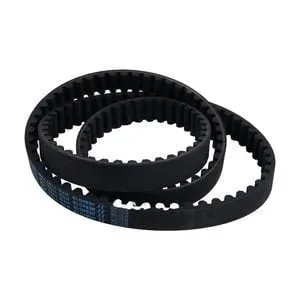
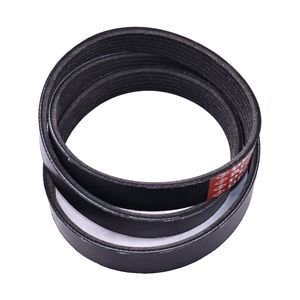
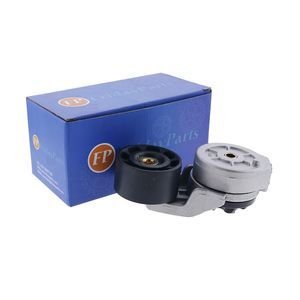
Matched Set Dispatch — belt, tensioner, and pulley verified as a system before shipment to prevent mismatched tolerances on Sportster and Buell primary drives.
Technical Specifications
| Parameter |
Value |
| Part Number |
40022-91 |
| Product Type |
Belt |
| Cross-Reference |
4002291, 1204-0042, 12040042, 58-420, 58420 (reference only) |
| Machine Fitment |
1996-2003 1200 Sport XLS, 2002-2003 883 Roadster XLR, 1996-2003 1200 Custom XLC, 1999-2003 883 Custom XLC, 1991-2003 Sportster 1200 XLH, 1991-2003 Sportster 883 XLH, 1991-1995 883 Deluxe XLH, 1991-2003 883 Hugger XLH, 1997-2002 M2 Cyclone, 2002 XB9R Firebolt, 2001-2002 M2 Cyclone Low, 1999-2002 X1 Lightning, 1996-1998 S1 Lightning, 1998 S1 White Lightning, 1994-1995 S2 Thunderbolt, 1995-1996 S2T Thunderbolt, 1997-2001 S3 Thunderbolt, 1997-2002 S3T Thunderbolt, 2002 X1W White Lightning |
| Brand Fitment |
Harley Davidson, Buell |
| Condition |
New Aftermarket |
| Warranty |
3–12 month warranty against manufacturing defects |
| MOQ |
1 piece |
| Standards |
ISO-certified manufacturing |
Application Suitability
| Engine System |
Related Components |
| Primary Belt Drive (Sportster 883/1200) |
Drive pulley, driven pulley, tensioner bearing, primary cover gasket |
| Primary Belt Drive (Buell Cyclone/Lightning) |
Front sprocket, rear pulley, belt guard hardware, tensioner assembly |
| Final Drive System (XB9R Firebolt) |
Drive pulley, rear wheel sprocket, belt tension adjusters |
When a New Belt Fails Weeks After Installation
Replacing the belt without inspecting the tensioner and pulleys addresses the symptom, not the cause.
A rebuild shop tearing down a Sportster primary for the second time in a month faces compounding labour costs and a frustrated rider. The root cause often traces back to a worn tensioner bearing that was still functional enough to pass a spin test but introduced enough runout to shred a new belt's tensile cords within a few hundred miles. Belt 40022-91 aftermarket replacement units are specified to exact tooth profile and cord tension standards, but they cannot compensate for misalignment caused by adjacent component wear. [NEED_CITE: belt drive system failure analysis methodology for motorcycle powertrains]

The Primary Drive as an Integrated System
This belt sits at the centre of the Sportster powertrain's primary drive system, connecting the engine output to the transmission input through a matched pulley set. When one Belt 40022-91 aftermarket replacement is ordered in isolation, the assumption is that every mating surface and bearing in the system remains within specification. Our engine systems desk treats the belt as one line item in a complete primary drive overhaul list that includes the tensioner bearing, pulley alignment shims, and the primary cover gasket.
Matching Dimensions to the Specific Build Variant
The same base part number covers Sportster 883 and 1200 variants spanning more than a decade of production, but pulley width and tooth count differ between early XLH models and later Custom XLC builds. Confirming the exact engine model year and variant rules out ordering a belt that physically fits but operates under incorrect tension. We verify cross-reference numbers 4002291, 1204-0042, and 58-420 against the specific build before confirming the order. [NEED_CITE: Harley Davidson Sportster primary drive specification changes across model years]
Tooth Profile and Cord Construction Under Load
The belt's tooth profile must match the drive and driven pulley geometry precisely — even slight profile deviation causes uneven load distribution across the cord layer, leading to premature tooth shear under the high-torque output characteristic of the Sportster and Buell V-twin engines. The tensile cord specification determines the belt's resistance to stretch under sustained highway cruising loads. ISO-certified manufacturing ensures these dimensional and material parameters hold within tolerance across production batches, which matters when a rebuild shop sources multiple units for fleet-level servicing.
Material Selection for Heat and Contamination Resistance
The primary drive cavity on a Sportster runs hot, and oil mist from the primary chaincase can reach the belt path if the inner primary seal degrades. The belt compound must resist both thermal degradation and incidental oil contact without softening or losing tooth integrity. Selecting a compound rated for this environment is what separates a belt that survives a full service interval from one that begins delaminating within weeks of installation.
The Hidden Cost of Skipping System-Level Inspection
A tensioner bearing with marginal play may not trigger replacement on a visual inspection, but it introduces cyclic loading that fatigues the belt's cord structure from the inside out. The result is a belt that fails without visible external damage, sending the technician back to the parts counter for a second unit and another teardown. [NEED_CITE: cyclic loading effects on belt drive tensile cord fatigue]
Why Engine Rebuild Shops Source Through This Channel
Our own production lines and qualified sourced supply operate under one account and one warranty, so a primary drive overhaul kit ships as a single consignment rather than arriving in mismatched batches. The Guangzhou warehouse holds stock on high-turnover belt drive components for fast dispatch on common Sportster and Buell applications. Part identification works from a part number, a machine model, or a photograph of a worn nameplate. Cross-reference verification covers superseded and alternate numbers to catch listings that carry forward errors from copied tables. Sample supply is available for fitment confirmation before a shop commits to a bulk order. A technical team confirms compatibility and grade before the order ships.
Documentation & Verification
- Commercial invoice listing Belt 40022-91 with full cross-reference numbers marked reference only
- Part compatibility sheet mapping each order line to the specific Sportster or Buell model year
- Quality inspection record confirming tooth profile and cord tension parameters before dispatch
- Warranty terms covering manufacturing defects for the stated warranty period
- Packing photographs showing belt condition and protective packaging before crate closure
- HS code and customs documentation support for international aftermarket parts shipments
Installation & Rebuild Sequence
- Inspect drive and driven pulley surfaces for scoring or uneven wear before fitting the new belt
- Replace the tensioner bearing as part of the same primary drive service to eliminate runout risk
- Confirm belt alignment using a straightedge across both pulley faces before applying final tension
- Torque the primary cover fasteners in sequence to prevent gasket distortion and oil leaks
- Run the engine at idle and inspect belt tracking before reassembling the primary cover
Requesting a Fitment-Verified Quote
Provide the engine model, year, and variant designation along with any known rebuild history so we can confirm whether the standard specification or a variant-specific build applies. If the nameplate is worn or painted over, a photograph of the engine case casting numbers allows our technical team to identify the exact configuration. This step ensures the Belt 40022-91 aftermarket replacement you receive matches the pulley geometry and tension specification of your specific machine.
Frequently Asked Questions
Q: What other components should I inspect or replace when changing this belt?
A: The tensioner bearing, drive pulley surface, and driven pulley alignment should all be checked during belt replacement. A worn tensioner bearing introduces runout that destroys a new belt from the inside. We recommend treating the belt as part of a matched set and sourcing the tensioner bearing and primary cover gasket in the same order to avoid split shipments and mismatched arrival times.
Q: Does the same part number cover all Sportster 883 and 1200 variants from 1991-2003?
A: The base number spans a wide model range, but pulley width and tooth count differ between early XLH builds and later Custom or Sport variants. Confirming the exact model year and variant designation before ordering prevents receiving a belt that fits physically but operates under incorrect tension. Our team verifies the cross-reference against your specific build.
Q: How do I confirm my exact engine variant to avoid ordering the wrong belt?
A: The most reliable method is the engine serial number, typically stamped on the crankcase. If the nameplate is unreadable, a clear photograph of the casting numbers or the existing belt's markings allows our technical team to identify the correct variant. We cross-check against superseded numbers to catch any listing errors before confirming fitment.
Q: What causes premature belt failure beyond normal wear?
A: Misaligned pulleys, a worn tensioner bearing, and oil contamination from a failing primary seal are the most common root causes. Replacing only the belt without addressing these system-level issues leads to repeated failure. A system-level inspection during the primary drive teardown identifies the actual cause and prevents a second unscheduled stop.
Q: Can I order a sample to verify fitment before committing to a bulk purchase?
A: Yes. Sample supply is available for fitment confirmation, which is particularly useful when servicing a model variant you have not encountered before or when cross-referencing a superseded number. The sample ships under the same quality inspection and warranty terms as a full production order.