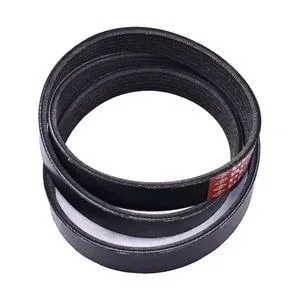
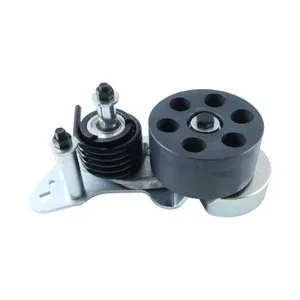
Matched Set Dispatch — Alternator belt 78-1918 paired with verified tensioner and pulley cross-references ships under one consignment for Thermo King Tripac APU rebuilds.
Technical Specifications
| Parameter |
Value |
| Part Number |
78-1918 78-1543 |
| Product Type |
Alternator Belt |
| Cross-Reference |
78-1918 (reference only), 781918 (reference only), 78-1543 (reference only), 781543 (reference only) |
| Machine Fitment |
Tripac APU |
| Brand Compatibility |
Thermo King |
| Condition |
New Aftermarket |
| Warranty |
3-12 months against manufacturing defects |
| MOQ |
1 piece |
| Manufacturing Standard |
ISO-certified |
Application Suitability
| Engine System |
Related Components |
| Alternator drive circuit |
Alternator, wiring harness, voltage regulator |
| Belt tensioning assembly |
Automatic tensioner, idler pulley, mounting bracket |
| Auxiliary drive loop |
AC compressor belt, power steering belt (where equipped) |
| APU cooling and ventilation |
Compartment fan, heat shields, duct seals |
Why the Alternator Belt Fails Again After a Fresh Replacement
A new alternator belt for Thermo King Tripac APU engine rebuild inherits the fault that destroyed its predecessor when the tensioner and pulley path are not renewed as a set.
Workshops frequently report repeat belt failure within a short service window after replacement, and the root cause almost always traces back to a worn tensioner spring, a glazed idler pulley surface, or misaligned routing from a bent bracket [NEED_CITE: belt drive system failure root cause analysis in auxiliary power units]. The alternator belt for Thermo King Tripac APU engine rebuild does not operate in isolation — it shares thermal and mechanical load with every component along its routing path. Ignoring adjacent wear items during an APU overhaul means the replacement belt absorbs compounded stress from the start, cutting its service life short and forcing a second teardown.

Belt Drive System Context Within the APU Engine Bay
The alternator belt for Thermo King Tripac APU engine rebuild sits inside a compact, thermally stressed engine compartment where heat from the exhaust system and limited airflow combine to accelerate rubber degradation. The belt must transmit sufficient torque to keep the alternator charging the battery bank during extended idle periods while also handling the load spikes that occur when the compressor clutch engages. This dual-duty cycle means belt selection cannot focus on tensile strength alone — thermal stability and resistance to oil mist contamination from the crankcase breather are equally important.
Tooth Profile and Tensile Cord Matching to APU Pulley Geometry
The rib profile and cord construction of this alternator belt are specified to match the groove geometry and pitch diameter of Tripac APU pulleys. A mismatch in rib count or cord position causes uneven load distribution across the belt width, leading to localized heat buildup and premature rib cracking. When sourcing a replacement alternator belt for Thermo King Tripac APU engine rebuild, verifying that the tensile cord material and spacing align with the original pulley set prevents the slippage and noise complaints that surface when generic belts are substituted [NEED_CITE: multi-rib belt profile matching standards for small-displacement diesel engines].
Material Compound for Enclosed APU Thermal Conditions
The rubber compound used in this belt is formulated for sustained exposure to elevated under-hood temperatures typical of enclosed APU installations. Standard automotive belt compounds soften and lose grip when compartment temperatures exceed normal operating ranges, whereas the heat-resistant formulation maintains consistent friction coefficient across the thermal cycling that occurs during APU start-stop sequences. Oil and abrasion resistance built into the compound also protects against the crankcase vapors and road dust ingress common in long-haul trucking installations.
What Happens When Only the Belt Gets Replaced
Replacing the alternator belt without addressing the tensioner assembly, idler pulley bearings, and pulley alignment invites a repeat failure cycle. A seized idler pulley creates a dead spot on the belt span that generates localized overheating and rib separation. A fatigued tensioner spring fails to maintain adequate wrap force, allowing the belt to slip under alternator load and glaze the pulley grooves [NEED_CITE: belt tensioner fatigue failure modes in auxiliary diesel applications]. These system-level faults are invisible during a quick visual inspection but become the direct cause of the next breakdown. Shops that treat the belt as an isolated replacement part end up absorbing the labor cost of a second teardown, which erodes customer trust far more than the initial parts cost of a matched set would have.
Why Sourcing the Belt Through an Engine System Supplier Matters
Our production and sourcing lines cover the full belt drive system — belt, tensioner, idler pulley, and associated hardware — under one account and one warranty structure. The Guangzhou warehouse holds stock on high-turnover APU belt drive components for fast dispatch on common configurations. Part identification can proceed from the OEM reference number, the APU serial plate, or a photograph of the existing belt and routing layout, which eliminates the guesswork that delays urgent replacements. Cross-reference verification covers superseded numbers and alternate listings, so the 78-1918 and 78-1543 references are confirmed against your specific Tripac APU build before anything ships. Sample supply is available for fitment confirmation before you commit to bulk quantities for your fleet maintenance program or distributor inventory.
Documentation & Verification
- Commercial invoice listing each belt drive component with individual part references
- Cross-reference sheet mapping 78-1918 and 78-1543 to your APU configuration (reference only)
- Dimensional inspection record covering belt length, rib count, and width tolerances
- Warranty terms document specifying coverage period and claim procedure
- Packing photographs showing belt condition and protective packaging before dispatch
- HS code and customs classification support for international belt shipments
Installation & Rebuild Sequence
- Clean all pulley grooves and inspect for glazing or debris before routing the new belt
- Verify tensioner spring force and idler pulley free-spin before installing the alternator belt
- Route belt according to the Tripac APU diagram, confirming each rib seats fully in every pulley groove
- Apply specified torque to alternator mounting bolts and check belt deflection at the longest span
- Run the APU under load for an initial break-in period and re-check belt tracking and tension
Requesting a Matched Set Quote
Provide your Tripac APU engine serial number and any existing part numbers from the old belt, along with photographs of the tensioner and pulley assembly if wear condition is uncertain. This information lets us confirm the correct belt variant and identify which adjacent components should be included in the shipment.
Frequently Asked Questions
Q: What other belt drive components should be replaced together with the alternator belt?
A: The tensioner assembly and idler pulleys should be evaluated every time the alternator belt is replaced. A worn tensioner spring or a pulley with bearing play will shorten the life of the new belt. We supply matched belt drive sets for the Tripac APU so all wear items arrive together under one part number and one warranty.
Q: Are 78-1918 and 78-1543 interchangeable, or do they apply to different Tripac APU variants?
A: These references can correspond to different production runs or routing configurations of the Tripac APU. We verify the correct number against your engine serial variant before shipping. Providing the APU serial plate or a photo of the existing belt allows us to confirm which reference applies to your unit.
Q: What system-level faults cause repeated alternator belt failure?
A: Common root causes include a seized or dragging idler pulley, a fatigued tensioner that no longer holds adequate wrap force, pulley misalignment from a bent bracket, and oil contamination from crankcase breather leaks. Addressing these faults during the belt replacement prevents the new belt from inheriting the same failure mode.
Q: Can I order a complete APU belt drive service kit with tensioner and pulleys?
A: Yes. We assemble complete belt drive kits that include the alternator belt, tensioner, idler pulleys, and any associated hardware for the Tripac APU. This approach eliminates split shipments and ensures all wear components are renewed at the same service interval.
Q: How do I confirm the correct belt for my specific Tripac APU engine serial number?
A: Share the engine serial number, a photograph of the existing belt routing, or the APU nameplate image. Our technical team cross-references the 78-1918 and 78-1543 designations against your build configuration to confirm length, rib count, and width before dispatch.