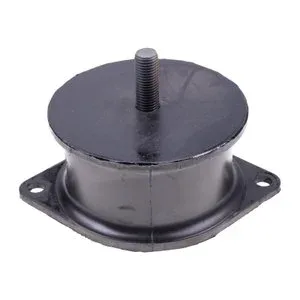
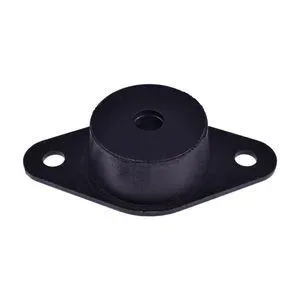
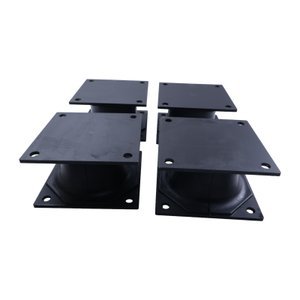
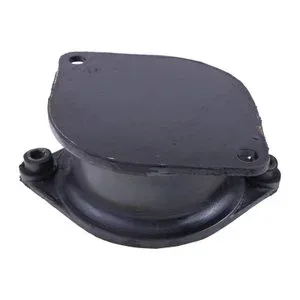
Matched Set Dispatch — all engine auxiliary mounts ship together to prevent uneven loading across the Hamm roller frame.
Technical Specifications
| Parameter |
Value |
| Part Number |
1487116 |
| Product Type |
Cushion Damper |
| Cross-Reference |
1487116 (reference only) |
| Machine Fitment |
Hamm 3205, 3307, 3307 HT, 3410-3411, 3412-3414, 3414 HT, 3516, 3518, 3520, 3520HT, 3625, 3625HT, DV40, DV65, DV70, DV85, DV90, DV+70i, DV+90i, H5i-H7i, H11i, H11ix, H11ixP, H12i, HD13-14, HD13i-14i, HD+70i-80i, HD90-110, HD+90i-110i |
| Material |
High-grade synthetic rubber compound |
| Shore Hardness |
65±5 durometer |
| Core Construction |
Reinforced metal core |
| Condition |
New Aftermarket |
| Warranty |
3-12 months (against manufacturing defects) |
| MOQ |
1 piece |
| Standard |
ISO 9001 |
Application Suitability
| Engine System |
Related Components |
| Engine vibration isolation |
Adjacent engine mounts, mounting brackets, frame-to-engine fasteners |
| Exhaust system connection |
Flexible exhaust joints, manifold gaskets affected by misalignment |
| Cooling system interface |
Radiator hoses and coolant line connections near mount points |
| Engine overhaul support |
Complete mounting set, hardware kit, vibration isolation inspection |
Why One Failed Mount Means the Whole Set Is at Risk
Replace all engine vibration mounts as a matched set to prevent uneven loading and premature re-failure.
When a single Cushion Damper collapses on a Hamm road roller, the remaining mounts absorb disproportionate vibration energy. The rubber compound in those surviving mounts has endured the same operational hours, compaction cycles, and thermal exposure. [NEED_CITE: vibration isolation system degradation patterns in compaction equipment]. I have watched workshops replace only the visibly failed mount, then see the machine return weeks later with another mount torn through its core. The root cause is not the part — it is the decision to treat a multi-point mounting system as individual components rather than a single functional assembly. A proper Rubber Mounting 1487116 engine vibration damper replacement means pulling the entire set and inspecting every bracket and fastener in the same visit.

The Engine Auxiliary System Context
This Cushion Damper sits within the broader engine auxiliary subsystem, which manages how the engine interacts with the roller chassis. The mounting arrangement typically involves multiple isolation points working together to contain vibration transfer. When one Rubber Mounting 1487116 engine vibration damper degrades, the system geometry shifts. Engine alignment drifts, creating stress on exhaust manifold bolts, coolant hose connections, and accessory drive brackets. The failed mount is a symptom of system-wide aging, not an isolated event.
Matching Hardness Across the Mounting Set
The 65±5 Shore durometer specification matters because it defines how the mount deflects under load. If replacement mounts carry different hardness values from their neighbors, the softer units compress further and take disproportionate load. [NEED_CITE: elastomer hardness matching requirements for multi-point engine mounting systems]. The reinforced metal core in this Cushion Damper provides structural attachment while the rubber compound manages the dynamic isolation. During a full engine rebuild on a Hamm DV90 or HD90, every mount in the set should carry the same Shore rating to maintain the engineered load distribution across all isolation points.
Decoding the Shore Hardness and Core Specification
The 65±5 durometer range places this rubber mounting in the medium-stiff category typical for heavy compaction equipment. A hardness below this band would allow excessive engine movement during vibratory drum operation, while a harder compound would transfer more vibration directly into the frame and operator station. The reinforced metal core handles static engine weight and dynamic shock loads generated during compaction passes. High-grade synthetic rubber compound resists the diesel fuel mist, hydraulic fluid spray, and elevated ambient temperatures present in the engine compartment. Together, these specifications maintain correct engine positioning throughout the service interval.
The Hidden Cost of Ignoring Adjacent Mounts
A partial replacement approach creates a cascade of secondary failures. The new mount carries more load because it is stiffer than its aged neighbors, leading to accelerated fatigue in the fresh component. Engine misalignment from uneven mount heights strains exhaust flex joints and can crack manifold studs. [NEED_CITE: engine misalignment effects on exhaust system integrity in heavy equipment]. Coolant hoses near the mounting points experience abnormal flex patterns, developing leaks at their clamps. The workshop that replaced one Cushion Damper and ignored the rest often faces a second teardown within months, with the customer now questioning the part quality rather than the incomplete service approach.
What This Supply Channel Delivers
Both our self-produced and qualified sourced lines carry identical QC standards and warranty terms for this Cushion Damper. The eight-category product range means engine mounts, exhaust gaskets, and coolant hose clamps for the same Hamm roller ship under one account and one consolidated dispatch. Orders from a single piece upward are accepted, so a workshop replacing one set on a DV70 can order exactly what the job requires. Part identification is available from the machine model, a photograph of the failed mount, or a nameplate image when the original marking is worn away. Cross-reference verification covers superseded numbers across Hamm roller generations. A technical team confirms Shore hardness and dimensional match before the order ships.
Documentation & Verification
- Commercial invoice listing each Cushion Damper by 1487116 reference and matched set quantity
- Compatibility sheet confirming Hamm roller model and engine serial range applicability
- Quality inspection record showing Shore hardness test results and dimensional checks
- Warranty terms document covering manufacturing defects for 3 to 12 months
- Packing photographs showing mount protection and labeling before crate closure
- HS code classification and customs documentation for international shipment clearance
Installation & Rebuild Sequence
- Replace all Cushion Damper units as a matched set during engine removal or in-situ service
- Clean mounting bracket surfaces and inspect bolt holes for thread damage before installation
- Torque engine-to-frame fasteners to specification after all mounts are seated and aligned
- Verify exhaust flex joints and coolant hoses show no strain after new mount set is loaded
- Run engine at idle and operating RPM to confirm vibration isolation before returning to service
- Inspect adjacent engine auxiliary components for fatigue cracking during mount replacement
Request a System-Matched Quote
Provide your Hamm roller model, engine serial number, and any previous rebuild history so we can confirm the correct mounting variant and Shore hardness specification for your specific machine. If the engine has been swapped or modified, share photographs of the existing mount arrangement and nameplate. This information allows accurate cross-reference verification and ensures the replacement Cushion Damper set matches your machine configuration.
Frequently Asked Questions
Q: Should I replace all engine rubber mountings at the same time or just the failed one?
A: Replacing the full set is strongly recommended. Mounts age at similar rates under identical vibration and thermal conditions. Installing one new Cushion Damper alongside aged mounts creates uneven load distribution, causing the new unit to absorb disproportionate stress. This leads to premature re-failure and repeat teardowns. A matched set replacement restores correct engine alignment and system geometry.
Q: How do I confirm the correct mounting variant for my Hamm roller engine?
A: Share your roller model designation and engine serial number. Some Hamm models across the 3205 through HD+110i range share similar frames but use different mount configurations based on engine weight and output. A photograph of the existing mount or the machine nameplate helps verify the correct 1487116 cross-reference variant and confirm dimensional match before dispatch.
Q: What other engine auxiliary components should I inspect when replacing this damper?
A: Check all mounting bracket bolt holes for stripped threads or elongation. Inspect exhaust flex joints for cracking caused by prior misalignment. Examine coolant hoses and clamps near the mount points for abnormal wear patterns. Verify that adjacent engine auxiliary fasteners maintain correct torque values, as vibration from a failed mount often loosens nearby hardware over extended operation.
Q: What causes premature rubber mounting failure and how do I address the root cause?
A: Common causes include fluid contamination from diesel or hydraulic leaks degrading the rubber compound, chronic overloading from operating beyond rated capacity, and heat exposure from exhaust routing changes. Addressing the source of contamination and verifying correct engine-to-frame alignment during installation prevents the replacement Cushion Damper from suffering the same premature failure cycle as the original component.