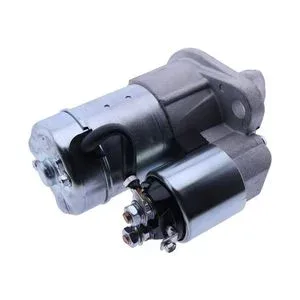
Matched Set Dispatch — Every stop solenoid ships with verified compatibility data for the specific Yanmar engine variant in your machine.
Technical Specifications
| Parameter |
Value |
| Part Number |
425-35925 |
| Product Type |
Stop Solenoid |
| Cross-Reference |
425-35925, 42535925 (reference only) |
| Machine Fitment |
Gehl SL3635, SL3935, 3640, 3840, 4240; Gehl 1448 Paver; Gehl 154 Compact Excavator; Mustang 2012, 2022, 2026, 2032, 2041, 2044, 2054 |
| Voltage |
12V |
| Coil Material |
High-grade copper wire |
| Valve Body Material |
Alloy steel |
| Sealing Material |
Nitrile rubber O-rings |
| Condition |
New Aftermarket |
| Testing |
100% functionality testing for response time and sealing integrity |
| Quality Standard |
ISO 9001 |
| Warranty |
3-12 months against manufacturing defects |
Application Suitability
| Engine System |
Related Components |
| Fuel delivery and shut-off control |
Fuel filter, fuel lines, injection pump |
| Electrical control circuit |
Wiring harness, connectors, relay, ECU signal path |
| Engine shutdown safety system |
Ignition switch, safety interlock module |
| Scheduled fuel system service |
Seal kit, fuel strainer, return line check valve |
Why Solenoid Failure Keeps Coming Back After Replacement
The failed solenoid is usually the symptom, not the cause.
A stop solenoid engine fuel shut off rebuild job that only swaps the solenoid without tracing the root fault will often see the replacement fail within weeks. In Yanmar-powered skid steer loaders operating on construction sites, I have traced repeat failures back to corroded connector pins dropping voltage below coil hold threshold, contaminated fuel degrading the nitrile seals prematurely, and alternator output drifting outside the acceptable 12V range under load. Each of these conditions destroys a new solenoid just as quickly as it destroyed the original [NEED_CITE: electrical system voltage stability requirements for mobile equipment solenoid coils].
The machine is already down. The urgency to close the hood and get back to work is real. But a solenoid replaced without diagnosing the system around it is a part that will need replacing again, and the second teardown costs more than the first because confidence in the repair is already broken.

Fuel System Context: Where This Solenoid Sits
The stop solenoid is the boundary between the electrical control circuit and the mechanical fuel supply. When the ignition switches off, the coil de-energizes and the valve body cuts fuel flow to the injection pump, stopping the engine. This means the stop solenoid engine fuel shut off rebuild must account for both sides of that boundary. On the electrical side, the wiring harness connector must be inspected for pin corrosion and retention force. On the fuel side, the O-ring seal interfaces directly with diesel or biodiesel blends, and fuel quality affects nitrile rubber longevity far more than operating hours do.
Voltage Stability and the Charging System Connection
A 12V coil requires stable voltage to hold the valve open during engine operation. When alternator output sags under hydraulic pump load or when battery terminals are corroded, the coil receives insufficient current and the valve begins to flutter. This flutter produces partial fuel restriction that feels like an intermittent stall. Replacing the solenoid without verifying charging system health means the new coil will experience the same voltage irregularity [NEED_CITE: mobile equipment charging system voltage tolerance specifications]. System-level diagnostics with a multimeter across the solenoid connector during engine operation under load confirm whether the electrical supply is within tolerance before the new part ever leaves the bench.
Specification Reading: What the Materials Mean in Service
The high-grade copper wire coil provides low resistance and predictable magnetic response, which translates to consistent valve actuation timing. Alloy steel in the valve body resists deformation under the thermal cycling that occurs between cold starts and sustained operating temperature in a loader engine bay. Nitrile rubber O-rings are selected for hydrocarbon resistance, but their service life is directly tied to fuel additive concentration and water content in the fuel supply. The 100% functionality testing for response time and sealing integrity ensures each unit actuates within specification before dispatch, catching manufacturing variance rather than relying on field performance to reveal it [NEED_CITE: solenoid response time testing standards for fuel system components].
The Cost of Replacing Only the Visible Fault
When a stop solenoid fails and the repair stops at solenoid replacement, the undiagnosed root cause continues to act on the new component. A corroded connector will corrode the new connector pins. Contaminated fuel will swell the new O-rings. A failing alternator will overheat the new coil. The result is a second failure that erodes trust in the part quality when the actual problem was never the part. For a distributor or engine rebuild shop, this pattern generates warranty claims that trace back to incomplete diagnostics, not defective supply [NEED_CITE: repeat solenoid failure root cause analysis in diesel fuel systems].
Why Source This Component Through XUNPO
Own production on selected fuel system lines and qualified sourced supply from ISO-certified partners carry identical quality control and warranty terms, so a stop solenoid engine fuel shut off rebuild order receives consistent treatment regardless of production origin. Eight product categories under one account mean the fuel filter, seal kit, and wiring connector that belong on the same repair list ship in one consignment. Part identification works from a part number, a machine model, a photograph of a worn nameplate, or an image of the old solenoid itself. Cross-reference verification covers superseded and alternate numbers so the correct variant ships even when the original number has been updated. Sample supply is available for fitment confirmation before bulk commitment, and the technical team confirms compatibility and grade against your specific Yanmar engine serial number.
Documentation & Verification
- Commercial invoice and packing list matched to purchase order line items
- Part compatibility and cross-reference sheet noting reference only designations for Gehl and Mustang models
- Quality inspection record covering response time and sealing integrity test results per unit
- Warranty terms specifying coverage period and manufacturing defect scope
- Packing photographs documenting unit condition before crate closure
- HS code and customs documentation support for destination country clearance
Installation & Rebuild Sequence
- Verify fuel system is depressurized and battery disconnected before solenoid removal
- Inspect connector pins for corrosion and harness insulation for chafing near the mounting bracket
- Confirm replacement O-rings seat fully in valve body grooves without twisting during assembly
- Test coil resistance with multimeter before installation to rule out shipping damage
- Perform functional test with ignition cycling before reassembling engine covers
- Run engine under load and monitor solenoid connector voltage to confirm stable electrical supply
Requesting a Compatibility Confirmation
Provide your Yanmar engine model and serial number along with any previous rebuild history so the correct solenoid variant is confirmed. If the nameplate is unreadable, a photograph of the existing solenoid body, connector type, and mounting pattern allows identification. Include the machine model and approximate operating hours for a system-level assessment of adjacent fuel system components that should be inspected during this replacement.
Frequently Asked Questions
Q: What other fuel system components should I inspect when replacing this solenoid?
A: Inspect the fuel filter element for contamination and water, check fuel line fittings for seepage that indicates degradation, and verify the injection pump mounting gasket is intact. The wiring harness connector at the solenoid should be checked for pin retention and corrosion. Addressing these items during the same service event prevents a secondary failure from an adjacent fault that was already developing.
Q: How do I confirm the root cause of solenoid failure versus a symptom?
A: Measure voltage at the solenoid connector with the engine running under hydraulic load to rule out charging system faults. Examine the failed solenoid coil for heat discoloration indicating overvoltage or for moisture ingress indicating seal failure. Check fuel samples for water or particulate contamination. These three checks typically isolate whether the failure originated in the electrical supply, the fuel quality, or the solenoid itself.
Q: Does my Yanmar engine variant require a different solenoid specification?
A: Yanmar engines across Gehl and Mustang skid steer loaders may use different solenoid configurations depending on engine serial range and emission tier. Provide your engine serial number so the correct voltage rating, connector type, and mounting pattern can be confirmed. Installing a solenoid matched to a different variant risks improper sealing or incorrect electrical interface.
Q: What voltage range is acceptable for reliable 12V solenoid operation?
A: A healthy 12V system should deliver consistent voltage at the solenoid connector under load. Voltage sag below the coil hold threshold causes valve flutter and intermittent stalling, while sustained overvoltage accelerates coil insulation breakdown. Verifying alternator output and battery terminal condition during the stop solenoid engine fuel shut off rebuild ensures the new coil operates within its design parameters.
Q: Can I get a complete fuel system service kit along with this solenoid?
A: Yes. Fuel filters, seal kits, fuel line fittings, and wiring connectors can ship in the same consignment as the solenoid. Supplying the machine model and engine serial number allows the correct filter element and seal sizes to be matched. Consolidating the fuel system service into one shipment eliminates partial repairs caused by missing components from separate suppliers.


![[result]12V 9T Starter Motor 25-39476-00 | Engine Grade for Carrier CT4-134DI Tier 4[/result]](https://xunpomachineryparts.com/wp-content/uploads/2026/08/result12v-9t-starter-motor-25-39476-00-engine-grade-for-carrier-ct4-134di-tier-4-result-c67fd4.webp)