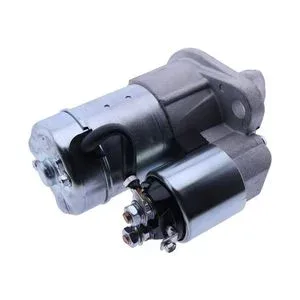
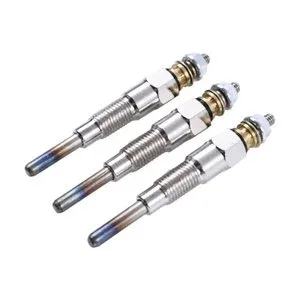
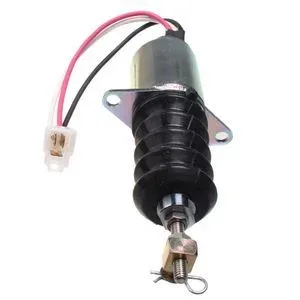
Matched Set Dispatch — solenoid coil, housing, and connector arrive together with verified engine serial variant compatibility for CASE and Cummins rebuilds.
Technical Specifications
| Parameter |
Value |
| Part Number |
J904630 |
| Product Type |
Stop Solenoid |
| Cross-Reference |
J904630 (reference only), 3904630 (reference only) |
| Machine Fitment |
1845C, 480E, 480E LL, 480F, 480F LL, 570LXT, 580E, 580K, 580L, 580SE, 580SK, 584E, 680L, 85XT, W11B, 450C, 455C, 2096, 1896, 5130, 5230, 550, 550E, 550G, 8820, 8830, 1640, 1800, 4390, 2022, 2044, 585E, 586E, 6000, 6500, 660, 760 |
| Brand Compatibility |
Fits CASE and Cummins applications |
| Voltage |
12V |
| Condition |
New Aftermarket |
| Warranty |
3-12 months against manufacturing defects |
| Standards |
ISO |
Application Suitability
| Engine System |
Related Components |
| Fuel Shut-Off Control |
Fuel lines, injector supply hoses, wiring harness terminals |
| Engine Auxiliary Shutdown |
Fuel lift pump, fuel filter housing gaskets, relay circuit |
| Overhaul Auxiliary Refresh |
Thermostat housing seals, coolant hoses, sensor connectors |
Why a New 12V Stop Solenoid J904630 Fails Again Within Months
The replacement part inherited a fault the diagnostic process never found.
A 12V stop solenoid J904630 engine rebuild replacement that burns out its coil prematurely almost always points to an upstream electrical issue — a relay sticking closed, a wiring harness short to ground, or a voltage regulator allowing spikes through the circuit. We have opened return shipments where the solenoid coil showed clear heat discoloration, meaning the system was feeding it current it was never designed to handle continuously. The solenoid did exactly what any copper coil would do under excessive amperage: it burned. Diagnosing the fuel control circuit before installing the new unit prevents paying for the same failure twice [NEED_CITE: electrical fault isolation procedures for mobile diesel fuel shut-off circuits].

Where This Solenoid Sits in the Fuel Control System
The fuel shut-off solenoid is the final electrical gate between the operator's key switch and the injection pump's fuel rack. When you turn the key off, the solenoid de-energizes and a spring pushes the plunger to cut fuel flow, stopping the engine. If that plunger sticks or the coil fails open-circuit, the engine either will not shut down or will not start. A 12V stop solenoid J904630 engine rebuild replacement must be verified against the specific injection pump variant — some CASE 4-390 builds use a pull-type solenoid while others use a push-type, and the internal plunger travel differs between them.
Engine Serial Variants Change the Connector and Plunger Depth
Across the CASE 580 series and Cummins 4B3.9 / 6B5.9 engine families, the base part number covers several connector configurations and plunger stroke lengths. We have seen situations where the solenoid threaded in correctly but the connector on the wiring harness was a two-pin Deutsch while the new unit shipped with a spade terminal — forcing an on-site splice in dusty conditions. Engine serial number verification before ordering confirms the correct connector type, plunger depth, and whether the solenoid body requires an adapter sleeve for the particular injection pump generation installed [NEED_CITE: CASE 4-390 and Cummins B-series injection pump variant identification methods].
Coil Resistance, Voltage Rating, and Duty Cycle
The 12V rating defines the nominal operating voltage, but the coil's internal resistance determines how much current it draws and how much heat it generates under sustained energization. A coil wound for intermittent duty will overheat if the machine's electrical system keeps it powered during extended idle periods. The copper winding specification and the potting compound sealing the coil from moisture ingress together determine whether the solenoid survives high-vibration agricultural and construction duty cycles. Housing corrosion resistance matters equally — fuel system condensation and external washdown both attack exposed steel surfaces, and a pitted solenoid body can allow fuel seepage past the plunger bore seal.
The Cost of Installing the Wrong Variant
Fitting a push-type solenoid into a pull-type pump bore means the engine either floods on cranking or refuses to shut off at the key. We have documented cases where a workshop spent additional hours removing the injection pump from the engine to retrieve a solenoid that had been forced into an incompatible bore, damaging the pump housing threads in the process. The labor cost of that mistake far exceeds the time required to confirm the serial variant before the part leaves the warehouse [NEED_CITE: injection pump thread damage from forced solenoid installation in CASE loader engines].
System-Matched Supply for Engine Overhauls
Our production lines and qualified sourced supply operate under the same QC protocol and warranty terms, so whether the solenoid comes from our own facility or a partner plant, the coil resistance test, activation stroke verification, and housing pressure check are identical. A single account covers the solenoid, the fuel filter gaskets, the injector return line seals, and the relay that may have caused the original failure — shipped as one consignment. Minimum order is one piece. Guangzhou warehouse stock covers high-turnover variants for fast dispatch. Technical staff verify compatibility from an engine serial number, a photograph of the old connector, or a nameplate image when the part number is illegible.
Documentation & Verification
- Commercial invoice listing J904630 with cross-reference note and engine serial confirmation
- Coil resistance measurement and activation stroke recorded on quality inspection sheet
- Connector pin-out diagram matching your harness type included in packing
- Warranty terms specifying coverage for manufacturing defects over 3 to 12 months
- Packing photographs showing solenoid condition and protective wrapping before crate closure
- HS code and export documentation prepared for destination customs clearance
Installation & Rebuild Sequence
- Verify plunger travel matches injection pump bore depth before threading solenoid into housing
- Clean fuel pump mounting face thoroughly to prevent debris entering the fuel rack channel
- Torque solenoid body to manufacturer specification using a calibrated wrench on the hex flats
- Check wiring harness terminal condition and relay operation before connecting the new coil
- Cycle ignition on and off several times to confirm plunger retracts and extends smoothly
- Monitor first engine start for clean shutdown response within normal cranking duration
Requesting a Fitment Confirmation
Send the engine model, serial number, and a photograph of the existing solenoid connector if the part number plate is worn or painted over. We cross-reference J904630 and 3904630 (cross-reference only) against your specific build variant and confirm the connector type and plunger stroke before quoting. For overhaul planning, provide the full list of fuel system components being replaced so matched items ship together.
Frequently Asked Questions
Q: What other fuel system parts should I inspect when replacing this solenoid?
A: Check the fuel lift pump output pressure, inspect injector supply hoses for internal collapse, and test the shut-off relay for clean switching. A relay that arcs internally can send voltage spikes through the solenoid coil, causing premature burnout. Confirm wiring harness terminals are tight and free of corrosion before connecting the new unit.
Q: How do I confirm the correct solenoid for my CASE or Cummins engine serial variant?
A: Provide the engine serial number from the nameplate or data tag. We verify the injection pump generation, connector type, and plunger stroke length against that serial. Photographs of the existing solenoid and its connector help when the nameplate is unreadable or missing.
Q: Is the wiring harness or relay likely to have caused the original solenoid failure?
A: Yes, frequently. A relay that sticks closed keeps the coil energized beyond its thermal design limit. A harness short to ground can feed current through an unintended path. We recommend testing the relay and checking harness continuity before installing the replacement to avoid repeating the same failure.
Q: Can I order matched fuel system service parts together for an engine rebuild?
A: Yes. We consolidate solenoids, fuel filter gaskets, injector seals, lift pump kits, and hose assemblies into a single shipment under one account. Provide the engine model and your overhaul parts list so we verify compatibility across all items and dispatch them together.
Q: How do I verify the coil specification matches my machine's electrical system?
A: Confirm your machine operates on a 12V system and check the existing coil's resistance value if the old unit is still available. We provide coil resistance data on the quality inspection record so you can compare before installation and ensure the electrical system is operating within specification.