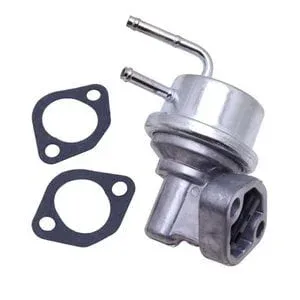
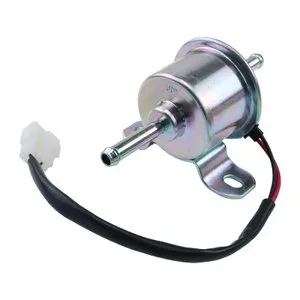
Matched System Dispatch — fuel pump AM876266 paired with filters and line seals for Yanmar 3TNV and John Deere engine overhauls
Technical Specifications
| Parameter |
Value |
| Part Number |
AM876266 / AM876207 |
| Cross-Reference |
AM876266 (reference only), AM876207 (reference only), 2803-3000 (reference only), 28033000 (reference only) |
| Product Type |
Fuel Pump |
| Electrical Specification |
12V DC |
| Machine Fitment |
John Deere 1023E, 1025R, 1026R, 110, 110TLB, 2025R, 2038R, 2520, 260, 2720, 3005, 3025D, 3046R, 3120, 3203, 332, 3320, 3520, 3720, 4005, 4105, 430, 655, 755, 756, 790, 855, 856, 990, F735, F915, F925, F935, Z994R, Z997, Z997R, E18ZS, 1435, 1585, 1905, 2500B, 2500E, 2653B, 3225C, 3245C, 6080A, 9009A, 4044M, 4075R, 7200, 8900A, 7400A, 7700A, 8000A, 8800A; Yanmar 3TMN72, 3TNA72C, 3TNE74C, 3TNM74F, 3TNV70, 3TNV76, 3TNV80F, 3TNV82A, 3TNV84, 3TNV84HT, 3TNV84T, 3TNV86CHT, 3TNV86CT, 3TNV88, 3TNV88C, 4TNV84T, 4TNV86CHT, 4TNV86CT, 4TNV88 |
| Condition |
New Aftermarket |
| Warranty |
3–12 months against manufacturing defects |
| Standards |
ISO 9001, ISO 4024, SAE J1711, ASTM D2000, IP65 |
Application Suitability
| Engine System |
Related Components |
| Fuel delivery – Yanmar 3TNV / 4TNV series |
Fuel filters, injection lines, tank strainers, primer bulbs |
| Fuel delivery – John Deere compact tractors (332, 4005, 7200) |
Inline fuel filters, supply hoses, clamps, return line fittings |
| Engine overhaul – agricultural and compact excavator applications |
Overhaul gasket sets, injector seals, fuel pump mounting gaskets |
| Fleet maintenance – municipal mowing and port-side loaders |
Bulk fuel filter kits, diagnostic pressure gauges, line flushing solvent |
Why Engines Fail Again Weeks After a Fuel Pump Swap
A replacement pump solves the symptom, not the contamination that destroyed the original unit.
In our Guangzhou workshop, we have dismantled freshly rebuilt Yanmar 3TNV and John Deere engines where the new 12V Fuel Pump AM876266 engine replacement failed within a single service window. The common thread was debris and degraded hose lining upstream, pumping abrasive particles straight into the new unit [NEED_CITE: diesel fuel system contamination failure modes in compact engines]. Swapping the pump without refreshing the filter, strainer, and supply lines invites a second teardown, wasted labor hours, and frustrated equipment owners who blame the part rather than the process.

Fuel System Position and Adjacent Component Dependencies
The fuel pump sits between the tank pickup and the injection system, meaning every component upstream contributes to its operating environment. A clogged tank strainer forces the pump to pull under vacuum, accelerating diaphragm fatigue. Degraded supply hoses shed elastomer particles that lodge in the pump check valves. When rebuilding a 3TNV88 or 4TNV86CT, we treat the 12V Fuel Pump AM876266 engine replacement as one node in a network of matched components that must be addressed together to deliver reliable engine operation.
Electrical Integration Across 12V Charging Systems
This pump operates on 12V DC, drawing current through the machine's existing wiring harness and relay circuit. John Deere models such as the 332, 430, and 4005 series share common 12V architectures, but connector pinouts and relay positions vary across serial ranges. Before installing the 12V Fuel Pump AM876266 engine replacement, verifying voltage at the harness connector under load rules out wiring resistance or corroded terminals as a hidden failure source [NEED_CITE: electrical diagnostic procedures for 12V fuel pump circuits in diesel equipment].
Specification Interpretation for Real Operating Conditions
The IP65 rating protects the pump housing against dust ingress and low-pressure water jets, which matters for compact tractors working in irrigation or demolition environments where wash-down is routine. The ASTM D2000 material classification confirms seal compatibility with standard diesel and common biodiesel blends, preventing elastomer swelling that causes internal leakage over time. ISO 4024 and SAE J1711 compliance relates to dimensional and performance testing standards, ensuring the pump delivers consistent flow and pressure across the thermal cycling range these engines produce.
The Hidden Cost of Ignoring System-Level Root Causes
When a shop installs a new pump without flushing lines or replacing the upstream filter, residual contamination accelerates wear on the new unit's internal valves and diaphragm. The engine runs fine for a few weeks, then fuel starvation symptoms return. The owner blames the part quality, but teardown reveals scored surfaces and embedded debris [NEED_CITE: root cause analysis methodology for repeated fuel system component failures]. This cycle erodes trust and drives warranty claims that trace back to incomplete repair procedures rather than component defects.
Why Source This Fuel System Package Here
Our selected production lines and qualified sourced supply operate under unified QC and warranty terms, so a pump and its matched filters ship under one accountability. Eight component categories under one account mean the fuel pump, gaskets, filters, and line seals consolidate into a single dispatch rather than arriving on staggered timelines. We accept orders from a single piece upward, supporting emergency replacements as readily as fleet stock programs. Part identification works from a part number, machine model, photograph, or nameplate image, removing guesswork when worn labels make cross-referencing difficult. Sample units are available for fitment confirmation before committing to bulk quantities.
Documentation & Verification
- Commercial invoice and packing list reflecting AM876266/AM876207 and all associated fuel system line items
- Part compatibility sheet mapping pump to Yanmar 3TNV and John Deere engine serial variants (reference only)
- Quality inspection record including flow rate, pressure output, and electrical draw test data
- Warranty terms covering manufacturing defects for 3–12 months from dispatch
- Packing photographs documenting anti-static foam and reinforced carton condition before sealing
- HS code and customs documentation support for international fuel system component shipments
Installation & Rebuild Sequence
- Verify fuel tank is drained and supply lines are flushed before installing the new pump to prevent debris ingestion
- Match electrical connector pinout to the machine wiring harness; test voltage at the plug before final connection
- Torque mounting fasteners to specification; overtightening distorts the pump housing and causes seal leaks
- Prime the fuel system manually before cranking; dry running damages internal valves within seconds
- Run the engine at idle and inspect all connections for leaks before returning to operational load
Request a System-Level Quote
Send your engine model, serial number, and any previous rebuild history so we can confirm the correct fuel pump variant and identify which filters, gaskets, and line seals should ship with it. A nameplate photograph or image of the old pump connector helps verify fitment when part numbers are worn or superseded.
Frequently Asked Questions
Q: What other fuel system components should I replace alongside this pump?
A: Replace the upstream fuel filter, tank strainer, and any supply hoses showing cracking or softening. Degraded hoses shed particles that destroy new pump internals. Include mounting gaskets and line clamps in the same order so the entire fuel delivery path is refreshed at once, preventing repeat failures traced to contamination rather than the pump itself.
Q: How do I confirm this pump fits my specific engine serial number?
A: Provide the engine serial number from the nameplate or the machine model and year. Yanmar 3TNV and John Deere engines have serial range breakpoints where connector types or mounting patterns differ. We cross-reference your serial against variant records and return a fitment confirmation before you commit to an order.
Q: What biodiesel blends is this pump compatible with?
A: The ASTM D2000 seal specification supports standard ultra-low sulfur diesel and common biodiesel blends up to B20. Higher blend concentrations require verification of elastomer compatibility. If your fleet runs B50 or neat biodiesel, share the blend percentage so we can confirm or recommend alternate seal materials suited to your fuel profile.
Q: Can I receive a sample unit to verify fitment before placing a bulk order?
A: Yes, sample units are available for fitment testing before bulk commitment. This is useful when managing a fleet with mixed engine serial ranges or when replacing a pump on a machine with a worn nameplate. Confirm mounting pattern and connector match on the sample, then proceed with confidence on the full quantity.
Q: What causes repeated fuel pump failures in these engines?
A: The most common cause is upstream contamination from degraded hoses, a clogged tank strainer, or a bypassed fuel filter. Particles score internal valves and diaphragms, causing the new pump to fail within weeks. Addressing the root cause by refreshing the entire fuel delivery path prevents repeat teardowns and warranty disputes over component quality.