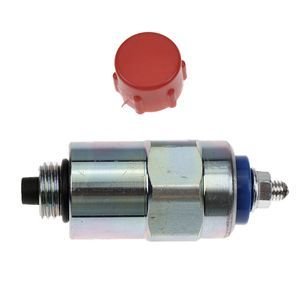
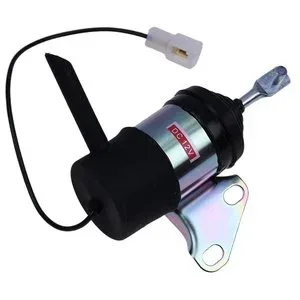
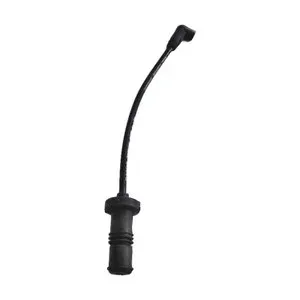
Matched Set Dispatch — Every 12V fuel cut-off solenoid engine rebuild replacement ships with verified O-ring seals and cross-reference documentation for DPA/DPS pump applications.
Technical Specifications
| Parameter |
Value |
| Part Number |
7167-620B, 7167620B, 9009-049, 9009049 |
| Cross-Reference |
7167-620B (reference only), 9009-049 (reference only) |
| Product Type |
Stop Solenoid |
| Machine Fitment |
C-Series, D-Series, E-Series diesel injection pumps; CAV DPA, DPS, DBA, DBS fuel injection pumps; All standard DPA and DPS rotary distributor pump applications |
| Brand Compatibility |
Compatible with Lucas, CAV, DPA, DPS fuel injection systems |
| Voltage |
12V DC |
| Operating Temperature |
-20°C to +85°C |
| Armature Core Material |
Cold-forged low-carbon steel |
| Armature Core Hardness |
HRC 38–42 |
| Sealing |
Dual nitrile rubber O-rings |
| Static Pressure Rating |
12 bar |
| Terminal Pin Material |
Tinned copper |
| Terminal Pin Cross-section |
2.5mm² |
| Peak Inrush Current |
4.2A |
| Dimensional Tolerances |
±0.08 mm |
| Response Time |
≤15ms |
| Condition |
New Aftermarket |
| Warranty |
6 months against manufacturing defects |
| Standards |
ISO 9001, ISO 8528-5 |
Application Suitability
| Engine System |
Related Components |
| Fuel injection pump overhaul (DPA/DPS rotary distributor) |
Pump seal kits, delivery valve gaskets, transfer pump diaphragms |
| Diesel engine rebuild — shutdown circuit restoration |
Fuel filter heads, return line check valves, wiring harness terminals |
| Generator set fuel system refurbishment |
Governor linkage components, throttle solenoid assemblies, fuel line fittings |
| Mining haul truck power unit maintenance |
Fuel lift pump assemblies, injector leak-off manifolds, ECU signal connectors |
Why a Stop Solenoid Fails Again Weeks After Replacement
The solenoid itself is rarely the root cause. A 12V fuel cut-off solenoid engine rebuild replacement solves the immediate symptom, but the fault that destroyed the previous unit usually lives elsewhere in the fuel shutdown circuit.
In Nigerian mining sites, I have watched crews swap stop solenoids on DPA pumps three times in one quarter. Each time the new unit failed within weeks. The actual culprit was a corroded ground stud on the engine block creating intermittent voltage drop, and an ECU signal wire chafing against the alternator bracket. Replacing the solenoid without tracing the circuit is like fitting a new head gasket on a warped block — the new part inherits the old problem. [NEED_CITE: diesel fuel system electrical diagnostic procedures for rotary distributor pumps]

Where This Solenoid Sits in the Fuel Shutdown System
The stop solenoid is the final actuator in the engine shutdown chain. When the key switches off or an emergency stop triggers, the ECU or relay cuts power to the coil, and the armature spring drives the plunger into the fuel gallery, blocking flow to the pumping elements. A 12V fuel cut-off solenoid engine rebuild replacement must match the original mounting depth and plunger travel exactly — even minor deviations prevent full fuel closure or cause the armature to bottom out and damage the pump housing bore.
Electrical Circuit Verification Before Installation
Before fitting the new solenoid, the entire shutdown circuit demands inspection. Check the relay contacts for pitting, measure voltage at the solenoid connector under cranking load to confirm it reaches the rated threshold, and verify the ground path resistance from the pump body back to the battery negative terminal. Tinned copper terminal pins on this unit resist corrosion at the connection point, but they cannot compensate for upstream wiring faults. A 12V fuel cut-off solenoid engine rebuild replacement paired with unresolved circuit issues will repeat the same failure cycle. [NEED_CITE: diesel engine shutdown circuit testing standards and voltage drop limits]
Material and Tolerance Details That Matter During Rebuild
The cold-forged low-carbon steel armature core, hardened to HRC 38–42, maintains magnetic permeability across hundreds of thousands of actuation cycles without developing micro-cracks that cause sluggish response. The ±0.08 mm dimensional tolerance on the mounting flange and sealing surfaces ensures the solenoid seats flush against the pump body — critical because any gap lets diesel seep past the dual nitrile rubber O-rings into the coil housing, shorting the windings from the inside. The 12 bar static pressure rating exceeds normal fuel gallery pressure in DPA and DPS pumps, providing margin for pressure spikes during sudden shutdown events. Peak inrush current at 4.2A means the wiring harness and relay must be rated accordingly; undersized conductors cause voltage sag and incomplete armature travel. The ≤15ms response time ensures fuel cut-off occurs before the engine overspeeds during emergency stop sequences in generator set applications. [NEED_CITE: nitrile rubber O-ring compatibility with diesel fuel at elevated temperatures]
What Happens When You Ignore the System Behind the Failure
Fitting a new solenoid without diagnosing the circuit leads to predictable outcomes. The replacement unit either fails to energize due to a corroded connector, or it energizes but cannot fully retract because the supply voltage drops below threshold under vibration. Either way, the pump comes off the bench again, the engine stays down, and the next replacement gets blamed on part quality rather than the unresolved root cause. Repeat disassembly also damages the pump housing bore each time the solenoid is extracted and reinstalled, eventually requiring a housing repair that could have been avoided with a single circuit check.
Why Source This Component Here
Own production lines and qualified sourced supply operate under one account with identical warranty terms, so whether your rebuild calls for a single solenoid or a complete pump seal kit, everything carries the same quality commitment. Eight product categories mean the shutdown solenoid, fuel system seals, electrical connectors, and adjacent gaskets ship as one consignment — eliminating split deliveries that leave a pump half-assembled on the bench. Orders from one piece upward are accepted, which matters when an engine rebuild uncovers one unexpected component mid-job. The Guangzhou warehouse maintains stock on high-turnover fuel system items for fast dispatch. Part identification works from a part number, machine model, photograph, or nameplate image when the original label is unreadable. Cross-reference verification covers superseded numbers across DPA and DPS pump generations, and sample supply is available for fitment confirmation before you commit to bulk quantities.
Documentation & Verification
- Commercial invoice and packing list referencing all cross-reference numbers on the order
- Part compatibility sheet confirming pump model match (7167-620B or 9009-049 reference only)
- Quality inspection record showing functional test at 12V, response time, and seal integrity
- Warranty terms covering manufacturing defects across the full rebuild cycle
- Packing photographs documenting condition before dispatch from Guangzhou
- HS code and customs documentation support for international engine parts shipments
Installation & Rebuild Sequence
- Clean the pump housing bore thoroughly before insertion; residual carbon scores the new O-rings
- Verify both nitrile rubber O-rings are seated in their grooves and lightly lubricated with clean diesel
- Confirm terminal pin orientation matches the harness connector — tinned copper pins resist corrosion but require correct alignment
- Torque mounting fasteners evenly to prevent flange distortion beyond ±0.08 mm tolerance
- Bench-test the assembled pump at 12V before engine installation to verify armature travel and fuel cutoff
- After engine start, monitor shutdown response time during the first key-off cycle to confirm system integrity
Request a Compatibility Confirmation
Provide your pump model designation, engine serial number, and any available rebuild history. If the original nameplate is damaged or painted over, send a photograph of the pump body and the existing solenoid mounting face. Our technical team will verify the correct cross-reference match, confirm dimensional compatibility, and recommend which fuel system seals should ship alongside the solenoid to complete your rebuild without a second order.
Frequently Asked Questions
Q: What other seals should I replace alongside the stop solenoid during a pump overhaul?
A: During any DPA or DPS pump reassembly, the pump shaft seal, delivery valve gaskets, and transfer pump diaphragm should all be replaced as a matched set. Including these in the same shipment prevents the pump sitting idle on the bench waiting for one missing seal, and ensures every wear surface receives a fresh component during the rebuild cycle.
Q: How do I confirm the correct cross-reference number for my specific pump variant?
A: Send the pump model designation along with the engine serial number. The 7167-620B and 9009-049 references (cross-reference only) cover different production generations of CAV and Lucas rotary distributor pumps. We verify compatibility against your specific pump build, including any superseded numbers that may have been applied during previous service campaigns.
Q: Can I order a complete fuel system seal kit in the same shipment?
A: Yes. Fuel system seals, gaskets, O-rings, and adjacent components such as delivery valve assemblies all ship consolidated with the stop solenoid under one order and one warranty. This eliminates split freight costs and ensures every item arrives together so the rebuild proceeds without waiting on a second delivery.
Q: What electrical checks should I perform before installing the new solenoid?
A: Measure voltage at the solenoid connector under cranking load, check ground path resistance from the pump body to battery negative, and inspect relay contacts for pitting. Confirm the wiring harness terminals are clean and secure on the tinned copper pins. Unresolved circuit faults will destroy the new solenoid just as they destroyed the previous one.
Q: What documentation supports the engine rebuild quality record?
A: Each shipment includes a commercial invoice, compatibility and cross-reference sheet, quality inspection record confirming functional testing at rated voltage, warranty terms, and packing photographs. These documents support your rebuild quality trail and satisfy audit requirements for fleet maintenance programs or generator set certification standards.