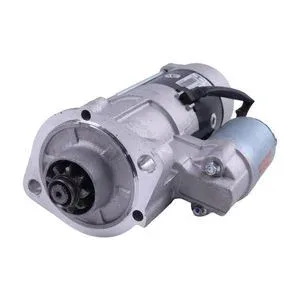
Engine Sequence Variants Confirmed — every 1J755-63010 unit ships after cross-checking your Kubota V3307, V3800, or V6108 serial range to match the correct superseded number and pinion mesh pattern.
Technical Specifications
| Parameter |
Value |
| Part Number |
1J755-63010 |
| Product Type |
Starter Motor |
| Cross-Reference (reference only) |
1J755-63010, 1J755-63013, 1G777-63010, 1G777-63013, 1J755-63012 |
| Machine Fitment |
SVL75, SVL75C, SVL75-2, SVL75-2C, SVL75-3, SVL75-3C, SSV75, SSV75C, SSV75P, SSV75PC, AD70 |
| Voltage |
12V |
| Power Output |
3.0 kW |
| Pinion Gear Teeth |
9T |
| Condition |
New Aftermarket |
| Warranty |
3–12 months against manufacturing defects |
| Manufacturing Standard |
ISO 9001 |
| MOQ |
1 piece |
Application Suitability
| Engine System |
Related Components |
| Auxiliary Starting Circuit |
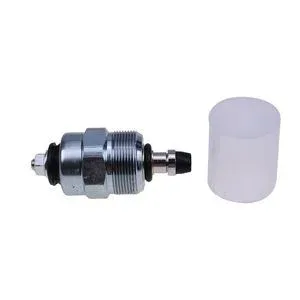
Solenoid relay, battery cables, ignition switch contacts |
| Flywheel Engagement |
Ring gear inspection, flywheel housing alignment |
| Charging System Match |
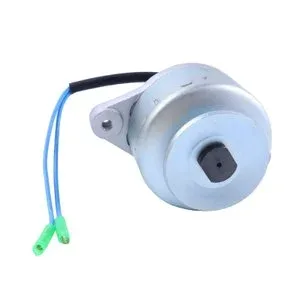
Alternator output verification, voltage regulator |
| Cold-Start Support |
Glow plug circuit, intake heater elements |
Why a Starter Motor Engine Rebuild Replacement Demands System-Level Diagnosis
Swapping the starter without tracing the root cause invites a second failure within the same service window.
I have opened auxiliary compartments where the starter burned out not from internal wear, but because a corroded battery cable forced it to draw excessive current for extended cranking cycles. The new unit would face the same fate if installed without addressing the upstream fault. In engine rebuild contexts, this Starter Motor engine rebuild replacement must be evaluated alongside the solenoid, ring gear condition, and wiring integrity [NEED_CITE: electrical circuit voltage drop testing procedures for heavy-duty starter systems]. A 3.0 kW motor pushing against a damaged 9T ring gear mesh will strip teeth or overheat the pinion within the first week of operation.

The Starter's Position Within the Auxiliary System Architecture
This starter motor sits at the intersection of three subsystems: the battery supply circuit, the ignition control path, and the mechanical flywheel engagement. When planning a complete engine auxiliary overhaul, replacing the starter alongside the alternator, glow plugs, and associated relays ensures matched service life across the entire starting and charging network. Treating the Starter Motor engine rebuild replacement as an isolated swap ignores how these components age together and fail in sequence.
Superseded Numbers and Engine Serial Variants
The reference numbers 1J755-63010, 1J755-63012, and 1J755-63013 represent engineering revisions across different production runs of Kubota V-series engines. Each revision may alter the mounting flange bolt pattern, the solenoid terminal orientation, or the pinion gear throw distance. The 1G777-series variants (1G777-63010, 1G777-63013) introduce further complexity, often corresponding to different displacement or emission-tier builds [NEED_CITE: Kubota engine serial number decoding for V3307 and V3800 variants]. Confirming your exact engine serial number before ordering prevents receiving a unit that physically mounts but misaligns the 9T pinion with the ring gear.
Reading the Specifications That Determine Fitment
The 12V rating must match the machine's electrical architecture; installing a 24V unit on a 12V system produces weak cranking, while a 12V unit on a 24V system destroys the armature instantly. The 3.0 kW output aligns with the compression ratio and displacement of V3307, V3800, and V6108 engines — undersized motors struggle against cold-start compression, while oversized units stress the ring gear. The 9T pinion tooth count is non-negotiable; the ring gear on these engines is cut to accept exactly nine teeth, and any deviation causes grinding noise and accelerated wear on both gears. Load-testing records should confirm the unit draws current within specification during a stalled-rotor test, indicating healthy internal windings and brush contact.
The Cost of Ignoring System-Level Root Causes
When a workshop installs a fresh starter without checking why the previous unit failed, the pattern repeats. A voltage drop across corroded terminals forces the new motor to crank slower, generating excess heat in the armature windings. A worn ring gear with chipped teeth catches the 9T pinion mid-engagement, shearing the drive mechanism. These failures are blamed on part quality when the actual cause lives elsewhere in the circuit [NEED_CITE: common causes of premature starter motor failure in diesel engine applications]. The machine returns to the bay within weeks, and the owner loses confidence in the supplier.
Why Rebuild Shops Source This Starter Here
Our Guangzhou warehouse stocks common auxiliary components including this starter motor variant, reducing wait times for shops mid-overhaul. We verify cross-reference applicability across superseded numbers, confirming whether 1J755-63010 or a later revision matches your specific engine serial. Every unit ships with a load-test quality inspection record showing cranking performance and current draw under simulated conditions. The technical team confirms pinion tooth count, rotation direction, and flange pattern against your engine build data. One-piece orders are accepted, so a single emergency replacement does not require padding an order to meet a minimum threshold. Self-produced and sourced lines carry identical warranty terms under one account.
Documentation & Verification
- Commercial invoice listing 1J755-63010 and all cross-reference numbers for customs matching
- Compatibility sheet confirming engine serial applicability, marked reference only
- Load-test inspection record showing cranking amperage and voltage under rated load
- Warranty terms covering manufacturing defects for 3–12 months from dispatch
- Packing photographs documenting unit condition before crate closure
- HS code documentation supporting smooth import clearance
Installation & Rebuild Sequence
- Inspect flywheel ring gear teeth for chips before mounting the new 9T pinion starter
- Clean battery cable terminals and measure voltage drop across each connection point
- Verify solenoid relay operation and replace if contact resistance exceeds specification
- Torque mounting bolts to engine manufacturer specification to prevent flange distortion
- Perform initial cranking test without starting to confirm pinion engagement and retraction
Requesting a Matched Auxiliary Set
Provide your engine model, serial number, and any prior rebuild history so we can confirm the correct starter variant and identify whether adjacent components — solenoid, alternator, glow plug set — should ship together as a matched auxiliary overhaul package.
Frequently Asked Questions
Q: My part number reads 1J755-63013 or 1G777-63010 — are these the same starter?
A: These are superseded or alternate reference numbers that may correspond to different engine serial ranges or production revisions. The pinion throw distance, solenoid terminal orientation, or mounting flange pattern can differ between revisions. Provide your engine serial number so we can confirm which variant matches your specific V3307, V3800, or V6108 build before shipping.
Q: What other engine auxiliary components should I replace when the starter fails?
A: Inspect the solenoid relay, battery cable terminals, ignition switch contacts, and flywheel ring gear teeth. A starter rarely fails in isolation; upstream electrical faults or mechanical engagement damage often contribute. Replacing the starter alongside worn relays and corroded cables prevents the new unit from inheriting the same failure mode within weeks.
Q: How do I confirm the correct starter variant for my specific engine serial number?
A: Share your engine model designation and the serial number stamped on the block. We cross-reference this against known production revisions to identify whether your engine requires the base 1J755-63010 or a superseded variant with modified flange geometry, solenoid orientation, or pinion specifications. This verification step happens before dispatch.
Q: What system-level checks should I perform before installing a new starter motor?
A: Measure voltage drop across battery cables under cranking load, inspect the ring gear for damaged or missing teeth, test the solenoid relay for proper engagement, and verify the ignition switch delivers full voltage to the control terminal. Addressing these points ensures the new starter operates within its designed parameters rather than compensating for hidden faults.
Q: Can I order a matched set of starter, alternator, and solenoid for a complete engine auxiliary overhaul?
A: Yes. We supply starter motors, alternators, solenoid relays, and glow plug sets as matched auxiliary packages for Kubota V-series engines. Ordering the complete set ensures compatible service intervals and eliminates the risk of receiving components with mismatched specifications. Provide your engine serial number and we will assemble the correct variant set.