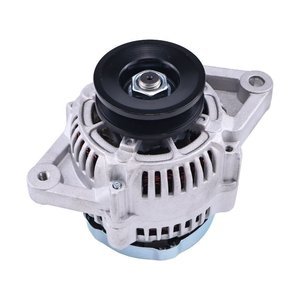
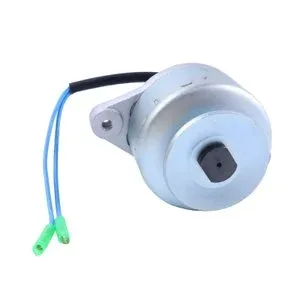
Matched Electrical Sets — Engine rebuild kits ship with alternator output verified against the specific ECU and sensor load of your Isuzu or Doosan build.
Technical Specifications
| Parameter |
Value |
| Part Number |
8972283181 |
| Product Type |
Alternator |
| Cross-Reference |
8972283181, LR150714, LR150715, 8972012810, 897228-3180, 8972283180, 897201-2810 (reference only) |
| Machine Fitment |
SOLAR 55, DH55 |
| Brand Compatibility |
Isuzu, Doosan, Daewoo |
| Voltage |
12V |
| Amperage |
50A |
| Condition |
New Aftermarket |
| Insulation Class |
Class H (rated to 180°C) |
| Rectifier Bridge |
Six high-efficiency silicon diodes with reverse-polarity protection |
| Housing Material |
Die-cast aluminum with anodized finish |
| Bearing Preload Tolerance |
ISO 286 |
| Standards |
ISO 9001, ISO 8528, SAE J1171 |
| Warranty |
6-month manufacturer warranty against defects |
Application Suitability
| Engine System |
Related Components |
| Engine Electrical / Charging |
Starter motor, voltage regulator, wiring harness |
| Engine Auxiliary |
Drive belts, tensioner pulleys, mounting brackets |
| ECU and Sensor Power Supply |
Engine control unit, crank/cam sensors, injectors |
| Preventive Overhaul Replacement |
Alternator bearing sets, slip ring assemblies |
Why the Wrong Alternator Undoes a Complete Engine Rebuild
Voltage instability from a mismatched alternator can destroy a freshly rebuilt engine control system within the first operational hours.
An alternator that does not match the engine's rebuilt configuration creates cascading electrical faults. Wrong amperage output starves the ECU under load, while an incompatible internal regulator sends voltage spikes through sensor circuits that were just replaced during the overhaul. I have seen rebuilt Isuzu 4JB1 engines return to the teardown bench because the alternator connector orientation did not match the harness routing on that specific serial variant, forcing the workshop to either modify the loom or source a different unit mid-rebuild [NEED_CITE: engine electrical system fault propagation during post-overhaul commissioning].

Electrical System Alignment Across the Rebuild Scope
This alternator engine rebuild replacement sits within the charging circuit that powers every electronic component on the engine. During a full overhaul, the ECU, fuel solenoids, and diagnostic sensors all depend on stable 12V supply from first cranking. The 50A output rating matches the combined steady-state draw of these systems on Isuzu 4JB1 and 4JG1 platforms, preventing the under-voltage condition that triggers false fault codes on freshly calibrated injectors.
Serial Variant Differences That Change the Physical Fit
Doosan SOLAR 55 and DH55 machines left the factory with engine electrical configurations that shifted across production runs. The mounting bracket bolt pattern, the pulley offset from the block face, and the regulator plug position all vary between early and late serial ranges. Cross-reference numbers like LR150714 and LR150715 point to the same base alternator platform but different connector clocks and bracket clocking angles. Confirming the engine serial before dispatch prevents the situation where the unit bolts on but the wiring harness cannot reach the plug without strain [NEED_CITE: alternator clocking and connector orientation variants across engine serial ranges].
Rectifier and Insulation Under Sustained Bay Heat
The Class H insulation rating at 180°C matters because the alternator sits in the upper engine bay where radiant heat from the exhaust manifold compounds ambient temperature. The six-diode rectifier bridge converts stator AC output to DC with reverse-polarity protection, guarding the ECU against back-feed during shutdown transients. Die-cast aluminum housing with anodized finish dissipates heat while resisting the corrosive salt and dust exposure common in port and quarry environments where these machines operate daily.
The Cost of Installing the Wrong Grade or Variant
Fitting an alternator with an incorrect amperage rating produces symptoms that mimic other failures. A 40A unit on a 50A system overheats within operational hours, sending erratic voltage to the ECU that a technician may misdiagnose as a sensor or injector fault. The result is unnecessary parts replacement and a second round of downtime before the root cause surfaces. Bearing preload outside ISO 286 tolerance generates noise that gets confused with belt or tensioner failure, adding another diagnostic cycle before the charging system is correctly identified [NEED_CITE: misdiagnosis patterns in mobile equipment electrical faults].
Sourcing That Matches the Rebuild Specification
Production on selected lines and qualified sourced supply run under one account with one warranty term, so an alternator ordered alongside piston sets and gasket kits carries the same quality documentation. Eight product categories allow a complete overhaul list — electrical, fuel, cooling, seals — to ship as one consignment. Part identification works from a part number, a machine model, a photograph of the nameplate, or a bench shot of the old unit. Cross-reference verification covers superseded and alternate numbers so discontinued references resolve to current production. Sample supply is available for fitment confirmation before a distributor commits to bulk stock for their regular rebuild accounts.
Documentation & Verification
- Commercial invoice listing alternator part number with cross-reference for customs clearance
- Compatibility sheet confirming fitment against supplied engine serial and machine model
- Bench test record showing voltage output and ripple current at rated load
- Warranty terms document covering manufacturing defects for the stated period
- Packing photographs of sealed alternator units before carton closure
- HS code and export documentation support for the destination market
Installation & Rebuild Sequence
- Fit alternator to mounting bracket before routing the drive belt to ensure bolt access
- Verify connector clocking matches the harness reach on the specific engine serial variant
- Check belt tension and pulley alignment after alternator installation to prevent bearing side-load
- Confirm charging voltage at battery terminals during first start before loading the electrical system
- Inspect slip ring and brush contact surface for transport residue before commissioning
Preparing Your Enquiry
Provide the engine model, serial number, and any return history from previous overhauls so the correct alternator variant ships against your build specification. Photographs of the existing unit connector and mounting face accelerate identification when the nameplate is no longer legible.
Frequently Asked Questions
Q: What else should I replace when rebuilding the engine electrical system?
A: When replacing the alternator during an engine rebuild, inspect the drive belt, tensioner pulley, and battery cables for age-related degradation. The starter motor brushes and solenoid contacts wear on a similar cycle. Replacing these together avoids a second teardown when a belt or starter fails weeks after the alternator installation.
Q: How do I confirm the alternator matches my engine serial variant?
A: Supply the engine serial number and a photograph of the existing alternator connector and mounting face. Cross-reference verification maps superseded numbers to current production, and serial-specific bracket clocking and connector orientation are confirmed before dispatch to prevent harness reach issues on the bench.
Q: Can a failed alternator damage the ECU or sensors on this engine?
A: A failing alternator can send voltage spikes through the charging circuit that damage ECU driver circuits and sensor inputs. When an alternator failure is diagnosed during teardown, inspect the ECU connector pins and sensor harness continuity. Replacing affected electronic components alongside the alternator prevents repeat faults after reassembly.
Q: What amperage rating do I need for my specific Isuzu or Doosan engine build?
A: The required amperage depends on the total electrical load of the engine ECU, sensors, and any auxiliary lighting or monitoring equipment fitted to the machine. A 50A alternator matches the standard configuration for Isuzu 4JB1 and 4JG1 engines in SOLAR 55 and DH55 applications. Confirm the accessory load list if non-standard equipment has been added.