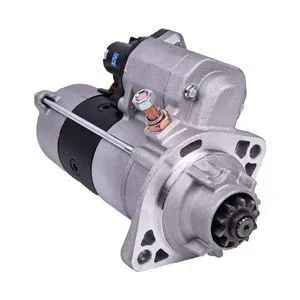
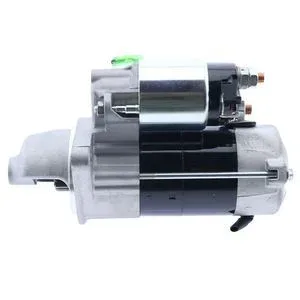
Engine serial variants confirmed — We cross-check Yanmar 3TNV88 and 4JH3E block castings against the starter mounting pattern and ring gear tooth profile before release.
Technical Specifications
| Parameter |
Value |
| Part Number |
129242-77010 |
| Product Type |
Starter Motor |
| Cross-Reference |
129608-77010, 129608-77011, YM129608-77010 (reference only) |
| Machine Fitment |
Yanmar 3TNV82, 3TNV88, 3TNV82A, 3TNE88, 4TNE88, 4TNE84, 3JH25A, 3JH3E, 4JH3E, 4JH4E |
| Voltage |
12V |
| Power Output |
1.4 kW |
| Pinion Teeth |
11T |
| Condition |
New Aftermarket |
| Warranty |
3-12 months against manufacturing defects |
Application Suitability
| Engine System |
Related Components |
| Starting & Auxiliary System |
Flywheel ring gear, battery cables, solenoid switch |
| Engine Block & Internals |
Overhaul gasket kit, main bearings, con-rod bearings |
| Marine Propulsion (JH/YM) |
Heat shield, corrosion-resistant terminal caps |
Diagnosing the Root Cause Behind Starter Failure
Replacing the unit without tracing the fault invites a repeat failure within weeks.
A seized pilot bearing or excessive carbon buildup in the cylinder bores creates drag that the starter motor cannot overcome, leading to overheated windings and burned solenoid contacts [NEED_CITE: Yanmar engine cranking resistance diagnostic procedures]. When a workshop installs a fresh Starter Motor engine rebuild replacement without checking the underlying mechanical resistance, the new component absorbs the same punishing load. In the Yangtze Delta repair circuit, I have pulled apart 3TNV82 blocks where the bores were scored from a previous coolant leak, yet the only action taken was swapping out the starter. The replacement unit followed the original into failure because the friction inside the cylinders remained unresolved. Addressing the starter motor in isolation treats the symptom while ignoring the systemic drag that destroyed it in the first place.

The Starter Motor Within the Auxiliary System Architecture
The starting circuit does not operate in a vacuum. A 12V 11T Starter Motor engine rebuild replacement draws significant amperage during cranking, relying on clean connections and adequate cable gauge to deliver torque to the flywheel. If the auxiliary system has degraded wiring or a weak ground strap, the voltage drop starves the motor, causing sluggish engagement and accelerated brush wear. Rebuilding the engine provides the ideal window to renew the entire starting circuit, ensuring the new component receives the current it requires to spin the 11-tooth pinion cleanly into the ring gear.
Matching Variants Across Engine Generations
Yanmar assigned multiple reference numbers across the TNV and TNE families, meaning a block cast in 2008 might carry a different suffix than one from 2014 despite sharing the 3TNV88 designation. The mounting flange geometry, solenoid terminal orientation, and pinion throw distance can shift between these sub-variants [NEED_CITE: Yanmar engine serial number prefix and suffix decoding]. Procuring a Starter Motor engine rebuild replacement requires verifying the exact engine serial number to ensure the replacement aligns with the specific bell housing casting and ring gear position.
Electrical and Mechanical Specifications Defined
The 1.4 kW rating indicates the continuous cranking power the motor can deliver without thermal damage to the field coils. For a 12V system, this translates to high amperage draw during the initial engagement phase, demanding robust internal contacts. The 11-tooth pinion must match the flywheel ring gear pitch exactly; a worn ring gear with hooked teeth will prevent the starter from disengaging cleanly, potentially shearing pinion teeth on the overrun. Sourcing from ISO-certified manufacturing partners ensures the armature balance and brush gear alignment meet the tolerances required for sustained cranking cycles.
The Cost of Overlooking Systemic Drag
Installing a new starter on an engine with tight main bearings or glazed cylinder walls forces the motor to work beyond its rated capacity. The immediate result is often slow cranking speed, which prevents the engine from reaching the compression ignition threshold. Over time, this excessive load melts the solenoid contacts and weakens the return spring [NEED_CITE: diesel engine cranking circuit failure analysis]. The hidden cost is not just the price of a second starter, but the labor hours spent removing and refitting the unit while the machine remains non-operational, delaying the return to service.
Why Consolidate Your Rebuild Supply
Our facility manages production on selected lines and sources the remainder from qualified ISO-certified partners, placing both under one warranty and one account. When a rebuild shop orders this 11T starter alongside 3TNV88 gasket sets and graded bearing shells, the entire consignment ships together, eliminating the risk of the engine sitting on the bench waiting for one delayed component. We verify cross-references against superseded numbers and confirm compatibility from engine serial numbers or nameplate photographs, ensuring the variant you receive matches the block on your stand. Technical support remains available to confirm grade selection and fitment details before dispatch.
Documentation & Verification
- Commercial invoice listing all overhaul components under one reference
- Cross-reference sheet confirming 129242-77010 interchange numbers (reference only)
- Pre-shipment test record covering cranking torque and current draw
- Warranty terms covering manufacturing defects for 3-12 months
- Packing photographs showing protective terminal caps and pinion cover
- HS code and customs documentation for international engine part shipments
Installation & Rebuild Sequence
- Clean the bell housing mating surface to prevent debris entering the starter nose
- Inspect flywheel ring gear for hooked teeth before mounting the 11T pinion
- Verify battery cable terminals are free of corrosion to support 1.4 kW draw
- Check solenoid throw distance matches the specific 3TNV88 or 4JH3E variant
- Perform a no-load bench test to confirm engagement before final block assembly
Requesting the Correct Variant
Provide the full engine model and serial number stamped on the block identification plate to ensure the starter variant matches your specific Yanmar TNV or marine JH series. If the plate is illegible, supply clear photographs of the old unit's mounting flange and terminal layout. Let us know if the engine has undergone previous overboring or crankshaft grinding so we can confirm the rotating assembly balance remains compatible with the starter's cranking profile.
Frequently Asked Questions
Q: What else should I check when replacing a starter motor on a Yanmar engine?
A: Beyond the unit itself, inspect the flywheel ring gear for worn or hooked teeth that could prevent clean disengagement. Check the battery cable gauge and ground strap for corrosion, as voltage drop will starve a 1.4 kW motor during cranking. Finally, verify the engine rotates freely by hand; excessive mechanical drag from tight bearings will destroy the new starter prematurely.
Q: Why are there so many part numbers listed — which one matches my engine serial?
A: Yanmar updated reference numbers across different production years and engine suffix variants, such as the shift from 3TNE88 to 3TNV88. We use these numbers purely as cross-reference identification tools. Supply your engine serial number, and we will verify which specific flange and solenoid configuration matches your block casting.
Q: Can I order this starter together with an overhaul gasket kit and bearing set?
A: Yes, consolidating the starter motor with gaskets, main bearings, and seal kits under one order ensures the entire engine system is addressed simultaneously. This prevents the block from sitting idle on the rebuild stand while waiting for a single delayed component to arrive from a separate supplier.
Q: What causes a new starter motor to fail prematurely after installation?
A: Premature failure usually stems from unresolved systemic issues rather than the component itself. A dragging engine due to incorrect bearing clearances, a weak battery circuit causing low cranking speed, or a damaged ring gear forcing the 11-tooth pinion to jam will all lead to rapid burnout of the solenoid contacts and field coils.