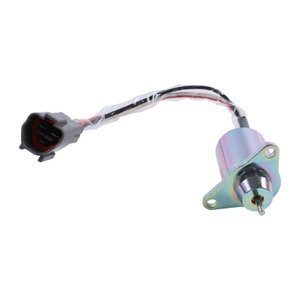
Engine Sequence Variants Confirmed — Coil stroke and flange pattern matched to your specific Yanmar build before dispatch.
Technical Specifications
| Parameter |
Value |
| Part Number |
119233-77932 |
| Product Type |
Stop Solenoid |
| Cross-Reference |
11923377932 (for identification purposes) |
| Machine Fitment |
3TNE68, 3TNE78A, 3TNE82A, 3TNE84, 3TNE88, 3TNM68, 3TNM72, 3TNM74F, 3TNV70, 3TNV74F, 3TNV76, 3TNV80F, 3TNV82A, 3TNV84, 3TNV88, 4TNV88, 2TNV70, TB007, TB014, TB016, TB108, TB125, TB135, TB235, R55-5, R60-5 |
| Electrical Specification |
12V DC |
| Coil Insulation Resistance |
>100 MΩ at 500V DC |
| Sealing Material |
FKM fluoroelastomer O-rings |
| Sealing Temperature Rating |
150°C |
| Operating Temperature Range |
–20°C to +85°C |
| Armature Core Material |
Cold-drawn low-carbon steel |
| Sealing Surface Finish |
Ra 0.8 μm |
| Mounting Flange Thickness Tolerance |
±0.05 mm |
| Electrical Terminals |
Tin-plated brass, 12AWG wire gauge, crimp-and-seal termination |
| Condition |
New Aftermarket |
| Warranty |
3–12 months against manufacturing defects |
| MOQ |
1 piece |
Application Suitability
| Engine System |
Related Components |
| Fuel injection cut-off circuit |
Injection pump shut-off linkage, fuel lines, return hose clamps |
| Electrical control system |
Wiring harness connector, relay, ECU shutdown signal path |
| Engine auxiliary sealing |
Flange gasket, O-ring set, fuel system seal kit |
| Engine overhaul refresh |
Full gasket set, fuel filter, injection nozzle washers |
Why the Same Part Number Fails Again Weeks After Rebuild
Replacing a 12V Fuel Shutdown Solenoid without tracing the root cause of the previous unit's failure invites a repeat teardown.
In the Shandong equipment manufacturing belt, I handled warranty returns where the solenoid was blamed but the actual culprit sat elsewhere — a short in the wiring harness, a sticking relay that kept the coil energized past key-off, or contaminated diesel eating through the armature bore. The machine ran fine at the bench test, then stalled or failed to shut down within a few operating cycles [NEED_CITE: diesel engine auxiliary electrical fault diagnosis methodology]. When a Stop Solenoid engine overhaul replacement goes bad quickly, the failure usually belongs to the system, not the component. This is the pattern that shifted my work from processing claims to building verification checklists before any part ships.

The Fuel Cut-Off Circuit Inside the Yanmar Auxiliary System
This solenoid sits at the intersection of the electrical control system and the mechanical fuel injection assembly. When the ECU or key switch commands shutdown, the coil energizes and pulls the armature to cut fuel delivery. A correct 12V Fuel Shutdown Solenoid engine rebuild requires verifying that the adjacent wiring, relay logic, and injection pump lever all function within specification — otherwise the new unit inherits the same stress that destroyed its predecessor.
Serial Variants That Change Physical Fitment
Within the 3TNE, 3TNV, and 4TNV engine families, the same base identifier can correspond to different body lengths, flange bolt patterns, or armature stroke specifications depending on the production series. Ordering by engine model alone risks receiving a unit that bolts on but does not fully seat or stroke. We cross-check the engine serial number against variant-specific dimensional data before confirming compatibility [NEED_CITE: Yanmar engine serial number variant identification for auxiliary components].
Reading the Specification Sheet for Field Impact
The FKM fluoroelastomer O-rings resist diesel permeation and sustain sealing integrity up to 150°C, which matters because injection pump housings run hot under continuous load. The Ra 0.8 μm sealing surface finish prevents fuel weeping at the flange interface — a rougher finish would allow micro-leaks that show up only after thermal cycling. Tin-plated brass terminals with crimp-and-seal termination resist corrosion in the engine bay environment where moisture and salt exposure degrade standard crimps. The ±0.05 mm flange thickness tolerance ensures the solenoid body seats flush without distorting the gasket under bolt torque [NEED_CITE: diesel fuel system sealing surface finish standards for auxiliary components]. The >100 MΩ coil insulation resistance at 500V DC provides a margin against voltage spikes from the machine's charging system that can puncture weaker insulation over time.
The Cost of Skipping System Diagnostics
When a workshop swaps the solenoid and sends the machine back without checking the harness for chafed insulation or the relay for contact welding, the new coil faces the same overvoltage or continuous-duty condition that burned the last one. The machine returns to the bay within weeks. The customer attributes the repeat failure to part quality rather than incomplete diagnosis. This cycle erodes trust and doubles labor expenditure on a fault that required a multimeter and a wiring diagram to resolve properly [NEED_CITE: electrical system root cause analysis for diesel engine auxiliary components].
What This Supply Channel Covers
Our production and sourcing lines operate under a single warranty account, meaning both self-manufactured and partner-sourced engine auxiliary components carry identical quality terms. Eight product categories let a complete fuel system refresh — solenoid, gaskets, filters, seals — ship as one consignment rather than fragmented deliveries. Minimum order is one piece, so an emergency single-unit requirement does not require padding a purchase. Guangzhou warehouse stock on fast-moving engine auxiliary items allows rapid dispatch for common Yanmar configurations. Part identification works from the number, the machine model, a photograph of the nameplate, or an image of the failed unit — whichever is readable on site. Cross-reference verification covers superseded numbers and alternate listings to catch mismatches before dispatch.
Documentation & Verification
- Commercial invoice listing engine serial and solenoid variant confirmed for your build
- Compatibility and cross-reference sheet marked reference only for 119233-77932
- Coil resistance, actuation stroke, and sealing pressure test record included
- Warranty terms covering manufacturing defects for the stated coverage period
- Packing photographs showing flange protection and terminal cap placement before crating
Installation & Rebuild Sequence
- Clean the injection pump mounting face to bare metal before seating the FKM O-ring to prevent fuel seepage paths
- Verify wiring harness connector pin condition and voltage at the solenoid plug before connecting the new unit
- Torque the mounting flange bolts in sequence to the engine manual specification, respecting the ±0.05 mm tolerance
- Test the shutdown circuit with the engine at operating temperature to confirm full armature stroke and clean fuel cut-off
- Inspect the relay and ECU shutdown signal path for faults that may have caused the prior unit to fail
Request a Fitment Confirmation
Provide the full Yanmar engine model, engine serial number, and any prior overhaul history so we can confirm the correct variant and cross-reference. If the nameplate is unreadable, send photographs of the failed solenoid body, flange, and connector — we will match the specification from visual identification.
Frequently Asked Questions
Q: What other engine auxiliary components should be inspected during a solenoid replacement?
A: Check the injection pump shut-off lever for free movement, inspect the wiring harness connector for corrosion or bent pins, and test the relay controlling the shutdown circuit. A worn gasket on the mounting flange can cause fuel leaks independent of the solenoid itself. Address all adjacent faults in the same service session to prevent a repeat visit.
Q: How do engine serial variants within the same Yanmar family affect fitment?
A: Production series changes can alter solenoid body length, flange bolt hole spacing, or armature stroke. A unit that physically bolts on may not achieve full travel or may protrude into adjacent components. Confirming the engine serial number against variant-specific dimensional data prevents misfit after the injection system is already opened.
Q: What electrical system faults cause premature coil failure?
A: Chafed harness insulation creating intermittent shorts, a relay with welded contacts holding the coil energized beyond its duty cycle, or voltage spikes from a failing alternator regulator can all overheat the coil winding. Diagnosing these conditions before installing the replacement solenoid prevents the new unit from suffering the same damage.
Q: How do I confirm the correct connector type for my specific engine build?
A: Connector pin count, housing shape, and wire gauge vary across Yanmar engine generations even when the solenoid body is identical. Compare the failed unit's connector against the replacement before installation. If the harness side shows damage, replace the connector pigtail to maintain the crimp-and-seal termination integrity.