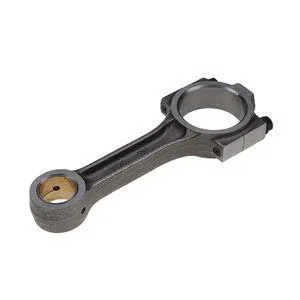
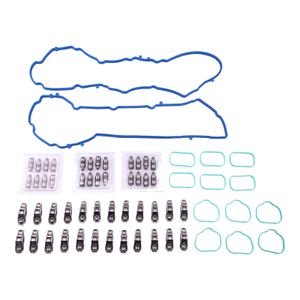
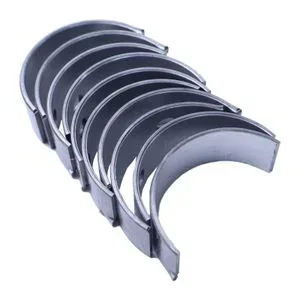
System-Matched Supply — Con rod, bearings, and piston pins dispatched together to the same oversize grade measured from your disassembled 4JG1 or 4JG2 crankshaft.
Technical Specifications
| Parameter |
Value |
| Part Number |
8980139624 |
| Product Type |
Connecting Rod |
| Cross-Reference |
8-98013-962-4, 8972892630, 8972892631, 8980139620, 8980139621, 8980139623 (reference only) |
| Machine Fitment |
75C, 80C Excavator, 4JG1 Engine, 4JG2 Engine |
| Brand Compatibility |
Fits Isuzu, John Deere equipment |
| Condition |
New Aftermarket |
| Warranty |
3-12 months against manufacturing defects |
| Minimum Order |
1 piece |
| Manufacturing Standard |
ISO-certified production |
Application Suitability
| Engine System |
Related Components |
| Crankshaft-piston power conversion |
Con rod bearings, main bearings, thrust washers |
| Cylinder reciprocating assembly |
Piston pins, piston rings, cylinder liners |
| Lubrication feed to big-end journal |
Oil pump, oil filter, gallery seals |
| Engine overhaul kit verification |
Complete gasket set, crankshaft seal kit |
Why the Same Connecting Rod Part Number Ships in Multiple Variants
The correct Connecting Rod engine rebuild depends on measuring your crankshaft journals before ordering, not on trusting the previous build sheet.
A connecting rod that fits a 4JG1 on paper may not suit the same engine family after a regrind. Production batches of Isuzu 4JG1 and 4JG2 engines have gone through dimensional revisions, and a machine that has already been rebuilt once may have undersized journals requiring matched oversize bearings. When the crankshaft has been reground to 0.25 or 0.50, pairing it with a standard-grade rod and standard bearings creates clearance that accelerates wear from the first hour of operation. [NEED_CITE: engine bearing clearance standards for diesel rebuild practice]
I have seen rebuilds where the rod arrived correct but the bearings were still standard size, because the shop assumed the crankshaft had never been touched. The engine lasted weeks before knocking. The real cost is not the rod itself but the teardown, the crankshaft inspection, and the second set of components.

Crankshaft-Piston System Positioning
This connecting rod sits at the center of the reciprocating assembly, converting piston linear motion into crankshaft rotation. In a 4JG1 or 4JG2 rebuild, the rod does not work alone. The big-end bore must match the crankshaft journal diameter after any regrind, while the small-end bore must accept the piston pin with the correct interference or clearance fit. A Connecting Rod engine rebuild succeeds when every component in this chain is ordered against measured dimensions, not assumed specifications.
Oversize Grade and Rebuild History
The crankshaft journal diameter on your engine may no longer be standard. Previous rebuilds, bearing failures, or oil starvation events can damage journals enough to require regrinding. When that happens, the connecting rod bearings must be ordered in the matching oversize grade, and the rod itself must be checked for big-end bore roundness. [NEED_CITE: crankshaft regrind and bearing oversize matching procedure] An engine that has been rebuilt before introduces variables that the factory service manual does not cover, making post-teardown measurement essential before any component order is placed.
Dimensional Inspection and Tolerance Stack
The big-end bore, small-end bore, center distance, and rod weight all fall within specified tolerances that affect bearing crush, oil film thickness, and rotating balance. In a four-cylinder 4JG1 or 4JG2, weight variance between rods creates vibration that transfers to main bearings and the crankshaft itself. Quality inspection records should confirm each of these dimensions for every rod shipped, giving the rebuild shop documented evidence that the component matches the engine's measured requirements. [NEED_CITE: connecting rod dimensional inspection criteria for diesel engines]
The Hidden Cost of Mismatched Grades
When a connecting rod is installed with bearings of the wrong oversize grade, the clearance is either too tight or too loose. Too tight and the bearing starves for oil within minutes of startup. Too loose and the impact loading hammers the crankshaft journal, creating fatigue that no amount of new oil will prevent. The machine runs, the operator works, and the failure appears months later as a spun bearing or a cracked rod cap. The teardown cost, the replacement crankshaft, and the second downtime event all trace back to a grade mismatch that a simple micrometer check would have prevented. [NEED_CITE: connecting rod bearing failure root cause analysis in diesel engines]
Why Source This Component Here
Our own production lines and qualified sourcing partners operate under the same warranty terms, so whether this connecting rod ships from our facility or a certified partner, the quality commitment is identical. Eight product categories mean the con rod bearings, piston pins, main bearings, gasket set, and overhaul hardware all move under one account and one consignment. Minimum order starts at one piece, which matters when a single cylinder needs attention and the rest of the engine is still serviceable. Guangzhou warehouse stock on common Isuzu 4JG-series items supports faster dispatch on urgent rebuild schedules. Part identification works from a part number, a machine model, a photograph of the old rod, or a nameplate image when the stamping is worn. Cross-reference verification covers superseded numbers like 8972892630 and 8972892631, confirming which variant matches your specific engine serial range. A sample can ship ahead of a bulk order so the rebuild shop can confirm fitment before committing to a full engine set.
Documentation & Verification
- Commercial invoice listing part number 8980139624 with cross-reference identifiers for customs clearance
- Con rod dimensional check record covering big-end bore, small-end bore, and center distance
- Bearing grade confirmation sheet matching oversize selection to crankshaft measurement
- Warranty terms document specifying coverage period and manufacturing defect conditions
- Packing photographs showing rod protection and bearing separation before crate closure
- HS code and export documentation support for international engine rebuild shop deliveries
Installation & Rebuild Sequence
- Inspect crankshaft journal diameter and surface condition before selecting bearing oversize grade for the connecting rod
- Confirm con rod bolt specification matches engine serial variant, as 4JG1 and 4JG2 may differ
- Verify big-end bore roundness and resize if out of tolerance before fitting new bearing shells
- Torque rod cap bolts to manufacturer specification using calibrated tooling in correct sequence
- Check side clearance between rod big-end and crankshaft journal web after assembly
- Run initial break-in at reduced load to seat bearings and confirm oil pressure stability
Rebuild Inquiry Guidance
Provide the engine model, engine serial number, and any known rebuild history so we can confirm which connecting rod variant and bearing grade your 4JG1 or 4JG2 requires. If the nameplate is unreadable, send a photograph of the existing rod stamping and the crankshaft journal measurement. For a full overhaul kit, share the teardown measurements so matched components ship together.
Frequently Asked Questions
Q: What oversize grade do I need after a crankshaft regrind?
A: The grade depends on the actual measured journal diameter after machining, not on the regrind label alone. A crankshaft ground to 0.25 undersize requires 0.25 oversize bearings, but the connecting rod big-end bore must also be checked for out-of-round condition. Always measure after disassembly and before placing the component order.
Q: Does the overhaul kit include matched con rod bearings and piston pins?
A: A complete overhaul kit should contain con rod bearings, main bearings, piston rings, thrust washers, and gaskets matched to the same oversize grade. Confirm the kit contents against your teardown measurements, because a generic kit may include standard-size bearings that do not suit a previously reground crankshaft.
Q: Are 4JG1 and 4JG2 connecting rods interchangeable across all serial ranges?
A: These engines share base architecture but may differ in rod length, big-end bore diameter, or bolt specification across production batches. Serial number verification is necessary before confirming interchangeability. Sending the engine serial number or a photograph of the existing rod allows accurate variant identification.
Q: What system fault should I investigate before installing a replacement rod?
A: Connecting rod failure typically traces to oil starvation, over-torqued cap bolts, or incorrect bearing clearance from a previous rebuild. Replacing the rod without addressing the root cause risks repeating the same failure. Inspect the oil pump, filter, and gallery passages, and verify crankshaft journal condition before reassembly.
Q: How do I confirm my engine serial number when the nameplate is unreadable?
A: The serial number may be stamped directly on the engine block in a location separate from the external nameplate. Photograph any visible stampings on the block, the existing connecting rod, or the cylinder head casting number. These identifiers allow cross-reference verification to determine the correct variant for your specific engine build.