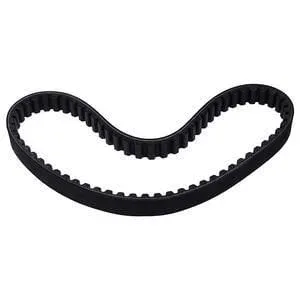
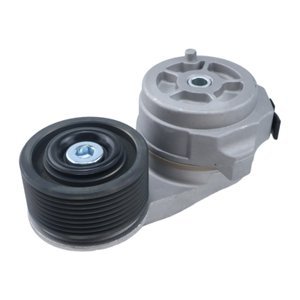
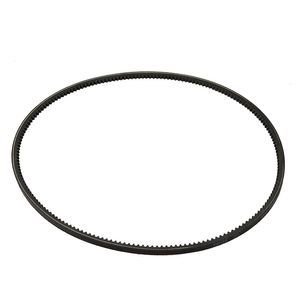
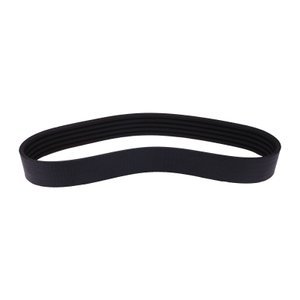
Matched Set Dispatch — Every belt, tensioner, and pulley for the Carrier Vector engine cooling loop verified against serial-variant build sheets before packing.
Technical Specifications
| Parameter |
Value |
| Part Number |
50-00162-25 |
| Product Type |
Belt |
| Cross-Reference |
50-00162-25, 50-00162-20, 50-60288-21, 500016225, 500016220, 50-6028821, 506028821, CA-50-00162-25-AM, CA500016225AM, CP10651, 10651, 50-01180-02, 500118002 (reference only) |
| Machine Fitment |
Vector X4 7500, X4 6600 MT, X2 1800, X2 2100, X2 2100A, X2 2100R, X2 2500A, X2 2500R, Vector, Supra 650, Supra 750 |
| Material |
EPDM rubber compound with high-temperature resistant fabric reinforcement |
| Temperature Range |
Up to 120°C |
| Pitch Tolerance |
±0.15 mm |
| Condition |
New Aftermarket |
| Warranty |
3–12 months against manufacturing defects |
| MOQ |
1 piece |
Application Suitability
| Engine System |
Related Components |
| Carrier Vector X4 / X2 Engine Cooling Loop |
Water pump pulley, tensioner assembly, thermostat housing gasket, coolant hoses |
| Carrier Supra 650 / 750 Engine Drive Circuit |
Idler pulley, alternator drive belt, crankshaft damper, belt guard hardware |
| Reefer Unit Overhaul — Cooling Subsystem |
Complete belt set, seal kits, bearing shells, water pump rebuild kit |
| Cold-Chain Fleet Scheduled Maintenance |
Matched belt and tensioner sets, coolant filters, fan clutch assemblies |
Why the Same Part Number Ships in Multiple Variants Across Carrier Builds
A water pump belt listed under one number often masks pitch or tooth-profile differences between engine serial prefixes.
I have seen Carrier Supra units pull into Chilean mine-site workshops with shredded belts, and the replacement pulled from stock was technically the right number but the wrong variant for that engine generation. The unit runs again for a few hundred hours, then the same failure repeats. The belt itself was not defective — the pitch tolerance mismatch caused micro-slip under thermal load, and the resulting heat destroyed the cord structure from the inside. [NEED_CITE: synchronous belt pitch tolerance standards for diesel-driven refrigeration compressors]
This is the system-level problem: a water pump belt 50-00162-25 engine replacement is not a commodity swap. The Carrier Vector and Supra families span multiple engine builds, and the belt specification shifts with the serial range. An engine rebuild shop quoting an overhaul must confirm the exact engine variant before releasing the belt from stores, or the entire cooling-system rebuild is compromised before the unit leaves the bench.

The Cooling Loop as a System — Not a Single Part
This belt sits inside the Carrier refrigeration unit's engine cooling circuit, driving the water pump that maintains thermal stability across the diesel block. When the belt degrades, the water pump slows or stops, and coolant temperature climbs — often triggering thermal shutdown or, in worst cases, cylinder scoring before the operator notices. The belt is the cheapest component in that failure chain, but its failure produces the most expensive consequence.
A water pump belt 50-00162-25 engine replacement must therefore be specified alongside the tensioner condition, the water pump bearing state, and the pulley alignment. Replacing only the belt while leaving a worn tensioner bearing in place means the new belt inherits the same radial instability that destroyed its predecessor.
Serial Variants and the Superseded Number Problem
Carrier has revised the engine build across the Vector X2, X4, and Supra series multiple times, and superseded part numbers reflect those revisions. The cross-reference list above covers several number generations — 50-00162-20, 50-60288-21, and others — each tied to a specific production window or engine configuration. [NEED_CITE: Carrier refrigeration unit engine serial variant identification methods]
Before ordering, the engine serial prefix must be confirmed against the fitment list. A Vector X2 2100A may require a different pitch length than a Vector X2 2500R, even though both carry the same base model designation. Our technical team verifies superseded and alternate numbers against the serial range to ensure the variant that ships matches the engine on the bench.
EPDM Compound, Fabric Reinforcement, and Pitch Precision Under Load
The EPDM rubber compound resists ozone cracking and thermal degradation up to 120°C, which is the upper envelope the belt sees when the engine compartment runs hot in port-side reefer operations. The fabric reinforcement layer protects the tooth surface from oil mist contamination — a common condition inside Carrier engine enclosures where crankcase breather residue settles on the drive circuit.
The ±0.15 mm pitch tolerance ensures synchronous engagement with the water pump pulley teeth. Beyond that tolerance, the belt either rides the tooth flanks under load, generating heat, or seats loosely and develops backlash noise that accelerates wear on both the belt and the driven pulley. Tensile cord placement within the belt body distributes radial stress evenly during RPM transitions from idle to full engine speed, preventing the localized cord fatigue that causes sudden snap failures. [NEED_CITE: EPDM belt compound thermal stability testing protocols for mobile refrigeration]
What Happens When the Root Cause Is Not Addressed
A belt that fails prematurely almost always points to something else in the drive system — a seized idler bearing, a misaligned pulley, or a tensioner spring that has lost its calibration. Swapping the belt without diagnosing the upstream fault means the new belt enters service already overloaded. The workshop sees the same machine back in the bay weeks later, and the customer loses confidence in both the part and the repair.
In a fleet context, repeated belt failures across multiple Carrier units suggest a systematic issue — incorrect tensioner specification during a prior overhaul, or a batch of pulleys with worn tooth profiles that no new belt can properly engage. The cost is not the belt. The cost is the cargo temperature excursion, the rejected load, and the unplanned second teardown. [NEED_CITE: refrigeration unit drive system root-cause analysis best practices]
System-Matched Supply from an Engine Rebuild Perspective
Our production and sourcing cover engine-system components under one account, meaning the water pump belt ships alongside the tensioner assembly, the water pump rebuild kit, the thermostat gasket, and any other items the overhaul list demands — all verified against the same engine serial number. Single-piece orders are accepted, so a workshop needing one belt for a down unit today can add the full matched set for next month's scheduled rebuild without re-opening a new supplier qualification.
Cross-reference verification covers superseded and alternate numbers, reducing the risk of a variant mismatch reaching the bench. Sample units are available for fitment validation before bulk commitment, allowing rebuild shops to confirm tooth engagement and tracking on the actual pulley set before releasing the full order. Technical support is available to discuss grade, variant, and system compatibility based on engine serial data and, where needed, photographs of the existing drive arrangement.
Documentation & Verification
- Commercial invoice listing each belt variant with serial-range fitment notes
- Cross-reference sheet mapping superseded OEM numbers (reference only) to shipped part
- Dimensional inspection record covering pitch length and tooth profile verification
- Quality test data on tension, flex cycle, and thermal stability included on request
- Packing photographs showing sealed packaging and part-number labels before dispatch
- HS code and customs documentation support for international cold-chain parts shipments
Installation & Rebuild Sequence
- Verify engine serial prefix against fitment table before unsealing the belt packaging
- Inspect water pump pulley teeth and idler bearing for wear; replace if profile is degraded
- Route the belt following the Carrier service manual diagram; confirm no twist in span
- Set tensioner to specification; check belt tracking at idle before applying load
- Run engine through a full thermal cycle; re-check tension and alignment when warm
Requesting the Correct Variant
Provide your Carrier engine model, serial number prefix, and any prior rebuild history so we can confirm the exact belt variant and matched tensioner specification for your unit. If the nameplate is damaged or painted over, send a photograph of the existing belt and pulley arrangement — our technical team can work from images to identify the correct configuration.
Frequently Asked Questions
Q: What other engine system components should be inspected or replaced when changing this belt?
A: The tensioner assembly, idler pulley bearing, water pump shaft seal, and pulley tooth condition should all be evaluated during a belt change. A worn tensioner bearing causes radial instability that destroys the new belt prematurely. We supply matched sets covering the complete drive circuit so the overhaul addresses the system, not just the failed component.
Q: How do engine serial variants affect belt specification within the same Carrier model?
A: Carrier revised engine builds across the Vector and Supra ranges, and belt pitch or tooth profile may differ between serial prefixes even under the same model number. Providing your engine serial number allows us to confirm the exact variant. The cross-reference list covers multiple superseded numbers tied to different production windows.
Q: What root causes beyond normal wear lead to premature belt failure in refrigeration units?
A: Common root causes include a seized idler bearing, pulley misalignment, tensioner spring fatigue, and oil mist contamination degrading the rubber compound. Replacing the belt without addressing the upstream fault results in repeat failure. Our approach is to diagnose the system and supply the matched components needed for a lasting repair.
Q: Can I order a matched set of belts and tensioners for a complete engine system overhaul?
A: Yes. We supply the water pump belt alongside tensioners, idler pulleys, water pump rebuild kits, and gasket sets — all verified against your engine serial number. Single-piece emergency orders and complete overhaul kits are handled under the same account, with one consolidated dispatch and one warranty.
Q: How do I confirm my Carrier unit's exact engine build for correct part selection?
A: Provide the engine serial number from the nameplate. If the plate is illegible, photographs of the existing belt part number, pulley arrangement, and engine block casting marks allow our technical team to identify the correct build variant and cross-reference the appropriate part number for your unit.