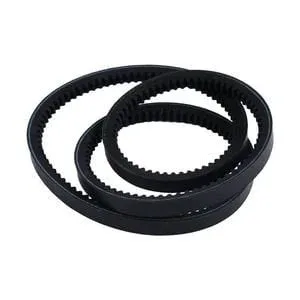
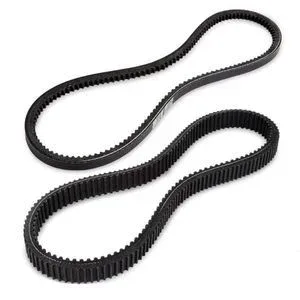
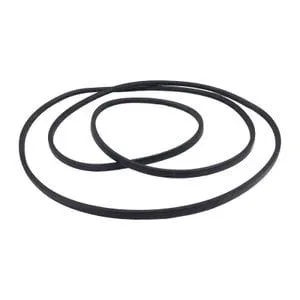
Engine Serial Variants Verified — Each V-Belt 9001A-96003 order cross-references your Toyota 4Y build record before dispatch to confirm accessory drive configuration.
Technical Specifications
| Parameter |
Value |
| Part Number |
9001A-96003 |
| Product Type |
Belt |
| Cross-Reference |
9001A96003 (reference only) |
| Machine Fitment |
02-7FG30, 02-7FGJ35, 02-7FGK30, 40-7FG15, 40-7FG20, 40-7FG23, 40-7FG25, 40-7FGK20, 40-7FGK25, 42-7FG15, 42-7FG18, 42-7FG20, 42-7FG25, 42-7FGK20, 42-7FGK25, 7FG30, 7FGJ35, 7FGK30, 7FGN30, 7FGCSU20, 7FGCU15, 7FGCU18, 7FGCU20, 7FGCU25, 7FGCU30, 7FGCU32, 7FGU15, 7FGU18, 7FGU20, 7FGU25, 7FGU30, 7FGU32, 8FG18B, 8FG25B, 8FG30B, 8FGCSU20, 8FGCU15, 8FGCU18, 8FGCU20, 8FGCU25, 8FGCU30, 8FGCU32, 8FGU15, 8FGU18, 8FGU20, 8FGU25, 8FGU30, 8FGU32, FGZN20, FGZN25, FGZN30, 02-7FGF30, 02-7FGJF35, 42-7FGF15, 42-7FGF18, 42-7FGF20, 42-7FGF25, 02-8FGF15, 02-8FGF18, 02-8FGF20, 02-8FGF25, 02-8FGF30, 02-8FGJF35, 02-8FGKF20, 30-8FG10, 30-8FG15, 30-8FG20, 30-8FG25, 30-8FG30, 30-8FGJ35, 30-8FGN15, 30-8FGN20, 30-8FGN25, 30-8FGN30, 32-8FG10, 32-8FG15, 32-8FG18, 32-8FG20, 32-8FG25, 32-8FG30, 32-8FGJ35, 32-8FGK20, 32-8FGK25, 32-8FGK30, 32-8FGF15, 32-8FGF18, 32-8FGF20, 32-8FGF25, 32-8FGFJ35, 32-8FGN15, 32-8FGN20, 32-8FGN25, 32-8FGN30 |
| Part Name |
V-Belt |
| Engine Compatibility |
Toyota 4Y engine |
| Condition |
New Aftermarket |
| Warranty |
6-month warranty against manufacturing defects |
| MOQ |
1 piece |
| Standards |
ISO 9001, JIS D 4101, ISO 4184 |
Application Suitability
| Engine System |
Related Components |
| Accessory Drive — Alternator Circuit |
Alternator pulley, alternator bracket bolts, alternator bearing |
| Accessory Drive — Coolant Circulation |
Water pump, water pump gasket, thermostat housing seal |
| Crankshaft Front Seal Area |
Crankshaft pulley, front main seal, harmonic balancer |
| Belt Tensioning Assembly |
Manual tensioner arm, tensioner pivot bolt, adjustment bracket |
| Scheduled Overhaul Kit |
Full gasket set, seal kit, matched belt-and-tensioner set |
Why the Same V-Belt Part Number Fails Across Different 4Y Builds
A single V-Belt engine replacement for Toyota 4Y must match the specific accessory drive configuration tied to your engine serial number, not just the forklift model on the nameplate.
In Shandong rebuild shops, I have handled warranty claims where a belt that fit one 7FG25 unit shredded within hours on another 7FG25 that left the factory six months later. The forklift model badge was identical, but Toyota revised the alternator bracket geometry and pulley spacing between production runs. The belt rode at an angle on the mismatched pulley set, generating edge heat and throwing the accessory drive out of alignment. These are not rare occurrences — accessory drive configuration variants within the 4Y family are well documented across rebuild circles [NEED_CITE: Toyota 4Y engine accessory drive configuration variants across production runs]. When a rebuild shop stocks one belt number without verifying the engine serial, the result is repeat teardowns, misdiagnosed root causes, and frustrated fleet operators who blame the belt manufacturer instead of the selection process.

Accessory Drive System Context and Adjacent Wear Items
This V-Belt 9001A-96003 operates within the Toyota 4Y accessory drive system, transferring crankshaft torque to the alternator and water pump simultaneously. Under the high-cycle loading typical of distribution centers and marine terminals, the belt transmits continuous torsional force through a compact pulley arrangement. When one driven component develops bearing play — particularly the alternator or water pump — the resulting pulley wobble transfers directly to the belt sidewalls, producing asymmetric wear that mimics a tension fault. A V-Belt engine replacement for Toyota 4Y should always be evaluated alongside the condition of every pulley it contacts.
Engine Serial Variants and What They Change in the Belt Path
Toyota produced the 4Y engine across multiple forklift generations — from the early 7FG series through the 32-8FG lineup — and the accessory drive layout shifted between these platforms. Pulley center distances, bracket mounting hole patterns, and tensioner adjustment ranges all differ. Before confirming an order, the engine serial number and forklift model must be checked together. I have seen rebuilds in Shandong workshops where a crankshaft had been ground to undersize during a previous overhaul, yet the shop ordered standard-dimension accessories without verifying the build record. The same principle applies here: the accessory drive components must match the actual engine state, not the original factory specification [NEED_CITE: engine rebuild dimensional verification practices for industrial powertrains].
Dimensional Tolerance and Material Specification Under Thermal Load
The belt construction uses a chloroprene rubber compound with aramid cord reinforcement. Chloroprene resists the oil mist and elevated temperatures present in a forklift engine bay during continuous shift operation. Aramid cords provide dimensional stability under tension — the pitch length does not stretch meaningfully over the service interval, which keeps alternator output voltage and coolant flow rate within spec. For dual-pulley systems like the 4Y accessory drive, pitch length tolerance directly affects how evenly load distributes across the belt cross-section. A belt that sits slightly high or low in the pulley groove creates harmonic flutter at operating RPM, accelerating sidewall cracking and reducing the interval before the next unplanned stop.
The Hidden Cost of Skipping System-Level Diagnosis
Replacing a failed belt without inspecting the tensioner pivot, pulley bearings, and bracket alignment turns a scheduled maintenance task into a repeat failure cycle. The belt is often the symptom, not the cause. In fleet environments running multiple 7FG and 8FG units, I have documented cases where three consecutive belt changes were performed before a worn tensioner arm was identified as the root cause. Each teardown costs labor hours and extends machine downtime. When the accessory drive system is diagnosed as a whole — belt, tensioner, pulleys, seals — the repair is done once and the machine returns to service [NEED_CITE: accessory drive system diagnostic procedures for industrial forklift engines].
Why Engine Rebuild Shops Source This Belt Through XUNPO
Eight product categories under one account means a complete 4Y overhaul kit — gaskets, seals, pistons, bearings, belts, and filters — ships as one consignment rather than arriving from four different suppliers on different schedules. Every V-Belt 9001A-96003 order includes a cross-reference verification against the engine serial, catching superseded numbers and variant-specific fitment issues before dispatch. Single-piece minimum order quantity allows a shop to confirm fitment on one unit before committing to fleet-scale stock. Our technical team reviews the engine build record to confirm the correct accessory drive configuration, and batch-level quality inspection records accompany each shipment. Sample supply is available for fitment confirmation before bulk orders are placed.
Documentation & Verification
- Commercial invoice listing V-Belt 9001A-96003 with HS code for customs clearance
- Cross-reference sheet mapping 9001A96003 interchange references to verified Toyota 4Y accessory drive variants
- Dimensional inspection record confirming pitch length and cross-section tolerance per JIS D 4101
- Six-month warranty terms covering manufacturing defects on the chloroprene and aramid construction
- Packing photographs documenting belt condition and protective packaging before dispatch
Installation & Rebuild Sequence
- Verify crankshaft pulley runout and alternator bracket alignment before routing the new V-Belt 9001A-96003
- Clean all pulley grooves of old belt residue and oil contamination to ensure proper sidewall seating
- Set tension to specification using the adjustment bracket, then recheck after initial warm-up cycle
- Inspect water pump and alternator bearings for play that could transfer vibration to the new belt
- Run the engine under no-load conditions and observe belt tracking for harmonic flutter or lateral drift
Request a Fitment-Verified Quote
Send us your forklift model, engine serial number, and any previous overhaul records. We will cross-reference the accessory drive configuration, confirm whether superseded part numbers apply to your specific 4Y build, and return a matched parts list covering the belt and all adjacent wear items in one quotation.
Frequently Asked Questions
Q: What other accessory drive components should be replaced along with this belt?
A: The tensioner arm, pulley bearings, and bracket hardware should all be inspected during a belt change. If any component shows wear, replacing them together with the V-Belt 9001A-96003 prevents repeat failures. XUNPO supplies matched tensioners, pulleys, and seals for the Toyota 4Y accessory drive system in a single consolidated order.
Q: How do I confirm the correct belt variant for my specific 4Y engine serial number?
A: Provide your engine serial number and forklift model to our technical team. We cross-reference the accessory drive configuration against Toyota production records, identifying any bracket revisions or pulley spacing changes that affect belt selection. This verification is included with every order before dispatch.
Q: Can I source matched tensioners and pulleys together in one order?
A: Yes. XUNPO carries the full accessory drive component range for Toyota 4Y engines across all eight product categories. Belt, tensioner, pulleys, and seals ship as one consignment under one account with unified warranty terms, eliminating split freight and mismatched arrival times.
Q: What system-level checks should be done before installing a new belt?
A: Check crankshaft pulley runout, alternator bearing play, water pump shaft condition, and tensioner pivot freedom. Clean all pulley grooves thoroughly. Confirm that the bracket mounting bolts are torqued to specification. These steps ensure the new belt operates under correct alignment and tension from first startup.
Q: How do I identify the root cause if belts are failing prematurely on my fleet?
A: Premature belt failure typically traces to pulley misalignment, worn tensioner components, or oil contamination from a leaking front main seal. Document the failure pattern — edge wear, sidewall cracking, or glazing — and cross-reference with the engine serial to rule out configuration-specific issues. Our technical team supports fleet-level root cause analysis.