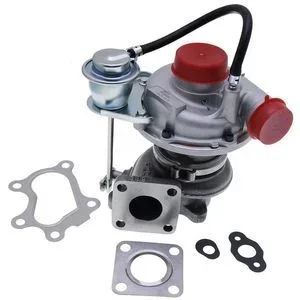
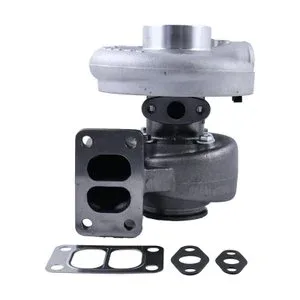
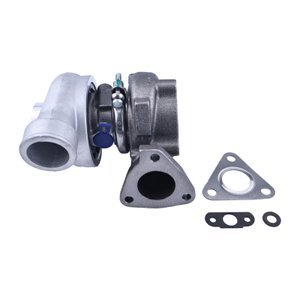
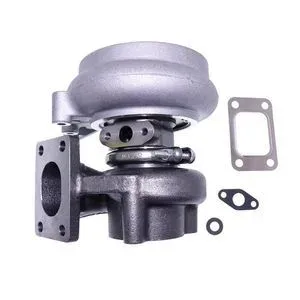
Complete System Match — Every turbo kit ships with verified oil feed, drain gaskets, and intake seals matched to your C2.2 or 3024C engine serial variant.
Technical Specifications
| Parameter |
Value |
| Part Number |
513-6823 |
| Product Type |
Turbocharger |
| Cross-Reference |
513-6823, CA317-0981, 317-0981, CA513-6823, CA442-9826, 442-9826, 239-0230, 282-5179, 308-2308, 324-0237, 10R-9578 (reference only) |
| Machine Fitment |
CAT 216B, 226B, 226B3, 232B, 242B, 247B, 247B3, 257B |
| Turbo Model |
RHF4-46001P8.5NHBRL323CAZ |
| Engine Fitment |
CAT C2.2, CAT 3024C |
| Condition |
New Aftermarket |
| Turbine Wheel Material |
Inconel 718 (source value — verify against manufacturer catalog) |
| Journal Bearing Clearance |
±0.005 mm (source value — verify against manufacturer catalog) |
| Compressor Housing |
CNC-machined volute geometry |
| Warranty |
6-month standard warranty (extendable to 12 months per application) |
| MOQ |
1 piece |
| Standards |
ISO 9001, SAE J1349 |
Application Suitability
| Engine System |
Related Components |
| Intake and Exhaust |
Oil feed line, oil return gasket, exhaust manifold gasket |
| Lubrication System |
Engine oil filter, oil supply hose, crankcase breather |
| Air Induction |
Air filter element, intake hose clamps, pre-cleaner assembly |
| Emission Control |
Wastegate actuator, boost pressure sensor, exhaust piping |
Why the Same RHF4 Turbocharger Part Number Ships in Multiple Variants
Confirming the engine serial number is the only reliable way to avoid mounting misalignment and oil port mismatch.
When a C2.2 engine comes into the shop with a seized turbo, the immediate instinct is to order by the plate number. But across different production runs of the CAT 3024C platform, the same base turbo model can carry different flange configurations or oil feed orientations. I have pulled turbos where the oil drain port sat at a slightly different clocking position, making the existing return line unusable without an adapter. An RHF4 turbocharger engine rebuild fails not because the unit is defective, but because the variant was wrong for that specific serial range [NEED_CITE: engine serial variant identification standards for diesel turbochargers].
The System Behind the Failure
A turbo sits at the intersection of the intake, exhaust, and lubrication systems. When journal bearings score, the root cause is rarely the turbo itself. Contaminated oil from a bypassed filter, a coked oil supply line, or a failing air filter letting silica into the compressor side — these system faults destroy the replacement unit just as they destroyed the original. Addressing an RHF4 turbocharger engine rebuild at the system level means replacing the oil feed line, verifying the drain path is clear, and installing a fresh air filter as part of the same job. This is where sourcing from a single supplier covering all eight engine sub-systems prevents the situation where the turbo arrives but the matched gasket set is on backorder from somewhere else.
Serial Variants and Mounting Configuration
The CAT C2.2 and 3024C engines have been produced across multiple machine generations, from the 216B through the 257B skid steer loaders. Turbo mounting bolt patterns and wastegate actuator bracket positions can shift between these generations even when the core turbo model designation stays the same [NEED_CITE: turbocharger mounting configuration differences across engine generations]. Providing the full engine serial number allows cross-referencing against superseded part numbers — a number like 317-0981 may have been superseded by 442-9826, which then routes to the current 513-6823 identifier. Each step in that chain can correspond to a physical change in gasket surface finish or bolt hole spacing.
What the Specifications Mean in the Bay
The Inconel 718 turbine wheel material handles the thermal cycling inherent in skid steer duty — these machines idle at low load, then spike to full boost in seconds during trenching or grading. A CNC-machined compressor housing volute geometry maintains consistent airflow characteristics, which matters when the engine management expects specific boost curves. The sealing surface finish requirement ensures the mating flanges hold under vibration without relying on excessive gasket compression that could crack the housing over time.

The Cost of Treating Turbo Failure as an Isolated Event
Swapping the turbo without tracing the oil feed restriction means the new journal bearings run dry within the first hours of operation. I have seen rebuilds where the shop replaced the turbo, fired the engine, and had it back with scored bearings before the first oil change interval. The wasted labor pulling the unit a second time, the second set of gaskets, the second oil fill — these costs compound quickly [NEED_CITE: repeat turbocharger failure causes in compact diesel engines]. A matched kit approach — turbo, gaskets, oil line, filter — in one consignment eliminates the gap between diagnosis and complete repair.
Why Source This RHF4 Turbocharger Here
Production on selected turbo lines runs in-house while sourced units come from ISO 9001 certified partners, all carrying identical warranty terms under one account. Eight engine sub-system categories mean the turbo, manifold gaskets, oil lines, and air filters consolidate into a single shipment. One-piece minimum order allows emergency single-unit purchases without inflated freight from split orders. Cross-reference verification covers the full supersession chain from legacy numbers to the current 513-6823 identifier. Technical confirmation on serial-specific variant matching prevents ordering errors before the unit ships.
Documentation & Verification
- Commercial invoice listing turbo part number, cross-reference chain, and matched kit contents
- Fitment sheet confirming engine serial compatibility and variant-specific mounting notes
- Dimensional inspection record covering flange bolt pattern and oil port orientation
- Quality bench test data including shaft play and compressor wheel balance check
- Packing photographs showing turbo and gasket kit before crate closure
- HS code and customs classification for turbocharger and associated seal kits
Installation & Rebuild Sequence
- Verify oil feed line internal diameter and replace if carbon buildup is visible at either fitting
- Prime the turbo bearing housing with clean engine oil before connecting the supply line
- Torque exhaust manifold and turbo mounting fasteners to specification in the prescribed sequence
- Confirm wastegate actuator rod length matches the original to maintain correct boost threshold
- Run the engine at idle for the initial break-in period before applying load
Request a System-Matched Quote
Provide your engine model, full serial number, and any previous rebuild history so we can confirm the correct turbo variant and assemble the matched gasket and oil line kit. If the nameplate is unreadable, a photograph of the existing turbo data plate and mounting flange is sufficient for identification.
Frequently Asked Questions
Q: What gaskets and seals should ship with this turbo for a complete install?
A: A proper installation kit includes the exhaust manifold-to-turbo gasket, oil drain flange gasket, oil feed line banjo bolt washers, and intake hose clamps. We assemble these based on your specific engine serial number to ensure the gasket thickness and bolt hole spacing match your C2.2 or 3024C variant. Shipping everything together prevents the turbo sitting on the bench waiting for a missing seal.
Q: How do C2.2 engine serial variants affect turbo fitment?
A: Different production runs of the C2.2 and 3024C may carry variations in oil port clocking, mounting bolt spacing, or wastegate bracket position. The base turbo model stays the same, but the physical interface can shift. Providing the engine serial number lets us verify which superseded part number applies and confirm the variant matches your block before dispatch.
Q: What system faults typically cause RHF4 turbo failure on this engine?
A: The most common root causes are oil starvation from a restricted feed line, contaminated oil bypassing a degraded filter, and foreign object damage from a failed air filter element. Replacing the turbo without addressing these upstream faults leads to repeat failure. A system-level approach checks oil supply pressure, replaces filtration components, and inspects the intake path.
Q: Can I order a matched turbo plus gasket plus filter kit in one consignment?
A: Yes. Because we cover eight engine sub-system categories under one account, the turbo, all associated gaskets, the oil feed line, and the air filter element ship as a single consignment. This eliminates split deliveries and ensures every component needed for the rebuild arrives together, so the machine is not waiting on a second shipment.
Q: How do I verify the correct turbo when the nameplate is unreadable?
A: Send a photograph of the turbo from multiple angles showing the compressor housing, oil port positions, and mounting flange. Combined with your machine model — for example, a 226B3 skid steer — we can cross-reference the physical features against known configurations and confirm the correct unit before you commit to the order.