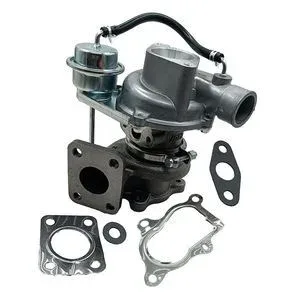
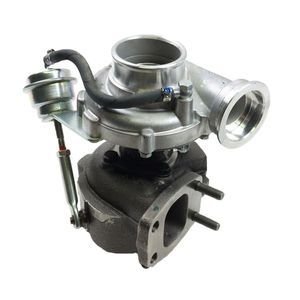
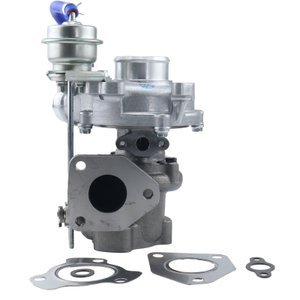
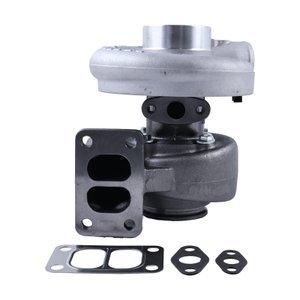
Matched System Kits — Boost pressure and journal bearing play verified against engine oil circuit specifications before dispatch.
Technical Specifications
| Parameter |
Value |
| Part Number |
1J716-17010 |
| Cross-Reference |
1J716-17010 (reference only), 1J71617010 (reference only) |
| Machine Fitment |
Kubota SVL65-2, SVL65-2C |
| Product Type |
Turbocharger |
| Condition |
New Aftermarket |
| Turbine Housing Material |
Ni-Resist ductile iron (ASTM A436 Grade 2) |
| Compressor Wheel Material |
Forged 7075-T6 aluminum |
| Boost Pressure Verification |
1.8 bar |
| Rotational Balance Test |
Up to 120,000 RPM |
| Journal Bearing Radial Play |
≤0.03 mm |
| Sealing Surface Finish |
SAE J1926-1 (Ra ≤0.8 μm) |
| Journal Bearing Pre-lubrication |
ISO VG 32 synthetic oil |
| Warranty |
3–12 months against manufacturing defects |
| MOQ |
1 piece |
| Standards |
ISO 9001, ASTM A436 Grade 2, SAE J1926-1 |
Application Suitability
| Engine System |
Related Components |
| Air Intake & Boost Delivery |
Intercooler hoses, intake manifold gaskets, air filter elements |
| Lubrication Circuit (Feed & Return) |
Oil feed lines, return hoses, oil filter, crankcase breather |
| Exhaust & Emission Control |
Exhaust manifold gaskets, EGR valve and cooler, DPF differential pressure sensor |
| Engine Overhaul (Top End) |
Valve stem seals, injector sleeves, cylinder head gasket set |
Why a Turbocharger Engine Rebuild Replacement Fails Weeks After Installation
A new turbo is only as reliable as the oil and air circuits feeding it.
In high-dust mining and quarry environments, replacing a failed turbocharger without tracing the root cause is a pattern I have seen repeated across dozens of compact track loaders. The machine returns to the site, runs under load for a few hundred hours, and comes back with the same black smoke and low boost symptoms. The journal bearings score because contaminated oil or a restricted feed line was never addressed. The compressor wheel erodes because a torn intake hose was bypassing the air filter [NEED_CITE: diesel engine intake air filtration efficiency standards for off-highway equipment]. This turbocharger engine rebuild replacement is designed to perform within the Kubota SVL65-2 and SVL65-2C engine system, but it cannot compensate for upstream faults left unresolved during the overhaul.
Positioning the Turbocharger Within the Intake and Exhaust System
The turbocharger sits at the intersection of three engine systems: intake air delivery, exhaust gas energy recovery, and pressurized oil lubrication. On the Kubota SVL65-2 platform, exhaust gases drive the Ni-Resist ductile iron turbine, which spins the forged aluminum compressor wheel to deliver measured boost to the intake manifold. This turbocharger engine rebuild replacement interacts directly with the intercooler, the EGR circuit, and the oil feed and return lines. Any restriction, leak, or pressure loss in these adjacent systems alters the operating conditions the turbo was balanced for, accelerating wear or causing immediate failure upon startup.
Matching Replacement Components to the Rebuild Scope
When the engine is already on the bench for a top-end overhaul or a turbo-specific repair, the surrounding consumables should be evaluated as a matched set. Intake and exhaust gaskets compress and lose sealing ability after one heat cycle. Oil feed lines develop internal delamination that restricts flow without visible external damage. The air filter housing and ducting should be inspected for cracks or loose clamps that allow unfiltered air into the compressor [NEED_CITE: ISO 5011 air cleaner test methods for heavy-duty mobile machinery]. Sourcing these associated seals, gaskets, and hoses alongside the turbocharger ensures the rebuild addresses the system, not just the symptom.
Reading the Specifications That Determine Service Life
The turbine housing is cast from Ni-Resist ductile iron meeting ASTM A436 Grade 2, a material selected for its resistance to thermal fatigue and oxidation at sustained exhaust gas temperatures. The compressor wheel is machined from forged 7075-T6 aluminum, which maintains structural integrity at the verified rotational balance speed of up to 120,000 RPM. Journal bearing radial play is held to ≤0.03 mm, a tolerance that requires clean oil at correct pressure to sustain the hydrodynamic film. The sealing surfaces are finished to SAE J1926-1 with a roughness average of Ra ≤0.8 μm, preventing oil leakage into the intake or exhaust tract. Pre-lubrication with ISO VG 32 synthetic oil protects the bearings during the critical first seconds of engine startup before the oil pump builds full circuit pressure.
The Cost of Skipping System-Level Diagnosis
Installing a turbocharger without verifying the oil feed circuit or replacing the intake gasket set frequently results in a repeat visit to the workshop within a short service window. The new unit ingests debris from a failing intake hose, or starves for oil because a collapsed return line creates backpressure in the bearing housing. The result is not a defective part — it is a defective diagnosis. Downtime accumulates, labor hours double, and the machine owner loses confidence in the repair [NEED_CITE: root cause analysis methodology for turbocharger failures in diesel powertrains]. Addressing the full system during the initial teardown prevents these compounding costs.
Sourcing Engine System Components From a Single Account
This turbocharger and its associated overhaul components are supplied under unified quality control and warranty terms, whether produced in our own facility or sourced from qualified ISO-certified manufacturing partners. The eight-category product range means intake gaskets, oil line kits, air filters, and exhaust hardware ship in one consignment, eliminating split freight and mismatched lead times. Part identification is confirmed from the machine model, engine serial number, or a photograph of the existing nameplate. Cross-reference verification covers superseded numbers and alternate references. A sample unit can be supplied for fitment confirmation before a bulk commitment is made, and the technical team remains available to verify compatibility and grade selection against your engine serial variant.
Documentation & Verification
- Commercial invoice and packing list referencing turbocharger part number and engine application
- Cross-reference sheet for 1J716-17010 (reference only) with superseded and alternate numbers
- Quality inspection record showing boost pressure test and rotational balance results
- Warranty terms covering manufacturing defects with documented claim procedure
- Packing photographs showing turbocharger and matched gasket kit before crate closure
- HS code and customs documentation support for international engine parts shipments
Installation & Rebuild Sequence
- Verify oil feed and return line condition and flow capacity before turbocharger mounting
- Pre-lube journal bearings with ISO VG 32 synthetic oil through the feed port prior to first start
- Torque intake and exhaust flange fasteners to engine manufacturer sequence and specification
- Confirm boost pressure at rated RPM and check for oil or air leaks at all sealing surfaces
- Run initial break-in cycle at varying load to seat journal bearings and verify wastegate response
Requesting a Matched Rebuild Quote
Provide the engine model, engine serial number, and any known overhaul history or previous rebuild grades so we can confirm the correct turbocharger specification and identify the full set of associated gaskets, filters, and oil circuit components your job requires.
Frequently Asked Questions
Q: What other components should be inspected or replaced when installing a new turbocharger?
A: The oil feed and return lines, intake and exhaust manifold gaskets, air filter element and housing, and crankcase breather should all be inspected. Contaminated oil or restricted intake airflow are common root causes of turbocharger failure. Replacing these associated components during the rebuild prevents repeat failure and protects the warranty on the new unit.
Q: How do I confirm the correct turbo specification for my engine serial variant?
A: Provide the full engine serial number from the nameplate or registration record. Kubota SVL65-2 and SVL65-2C engines may have variant-specific turbocharger configurations across production runs. Our technical team cross-references the serial against fitment records, including superseded part numbers, to confirm the correct unit before dispatch.
Q: What oil system conditions cause premature turbocharger failure?
A: Oil starvation from a restricted feed line, contaminated oil from a failed filter or excessive blow-by, and oil coking from extended idle shutdowns without cool-down periods all damage journal bearings. The bearing radial play tolerance of ≤0.03 mm requires clean oil at correct pressure. A system-level oil circuit inspection is essential before installation.
Q: Does the turbocharger come with installation gaskets and hardware?
A: The turbocharger is supplied as a standalone unit. Intake and exhaust flange gaskets, oil feed and return line seals, and mounting hardware can be sourced as matched kits from the same account. Consolidating these items into one order ensures compatibility and avoids delays from separate shipments arriving at different times.
Q: How do I verify boost pressure and performance after installation?
A: After break-in, measure boost pressure at the intake manifold with a calibrated gauge at rated engine RPM under load. The verified specification for this unit is 1.8 bar. Compare against the engine manufacturer baseline and check for deviations indicating intake leaks, exhaust restrictions, or wastegate malfunction requiring further adjustment.