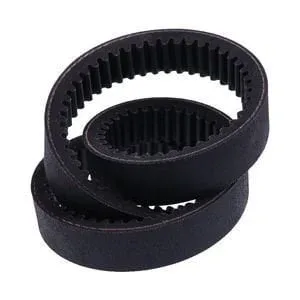
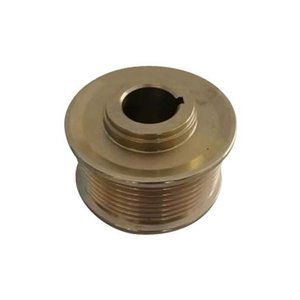
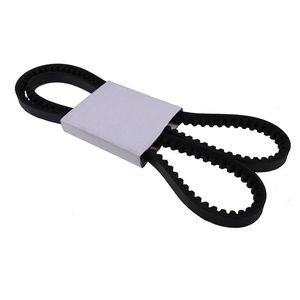
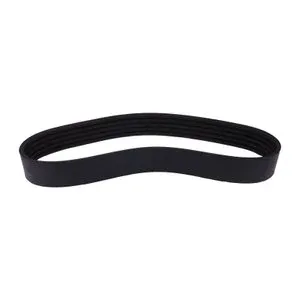
System-Matched Belt Kits — every transaxle variation belt ships with verified cross-reference data and matched tensioner recommendations for the specific Husqvarna or Ariens transmission serial range.
Technical Specifications
| Parameter |
Value |
| Product Type |
Belt |
| Part Number |
587086101, 532426740, 580486301, 584973901, 21548469, 21548408, 21549005, 587884401, 587884501, 426740, GT 37401, GT37401 |
| Cross-Reference (reference only) |
587086101, 532426740, 580486301, 584973901, 21548469, 21548408, 21549005, 587884401, 587884501, 426740, GT 37401, GT37401 |
| Machine Fitment |
Husqvarna 917.289081, 917250830, 917203780, 917203850, 917203910, 917203920, 917203930, 917253790, 917253792, 917289080; Transmission 580486201 (2014–06), 582491201 (2017–12); Ariens 936048–936095 series, RS800-SD-F, RS800-SD-P |
| Tensile Cord Material |
Aramid |
| Rubber Compound |
EPDM |
| Operating Temperature Range |
–20°C to +90°C |
| Profile Type |
Trapezoidal |
| Profile Angle Tolerance |
±0.15° |
| Surface Finish |
Micro-textured |
| Condition |
New Aftermarket |
| Standards |
ISO 9001, ISO 4184, SAE J1490 |
| Warranty |
3–12 months against manufacturing defects |
| MOQ |
1 piece |
Application Suitability
| Engine System |
Related Components |
| Hydrostatic drive belt path |
Tensioner assembly, idler pulley, drive sheave |
| Transaxle input engagement |
Variable-speed pulley halves, return spring |
| Secondary drive circuit |
Deck belt, mandrel bearings, spindle housings |
| Preventive seasonal overhaul |
Full belt kit, tensioner spring, pulley bushings |
Why a New Transaxle Variation Belt Fails Before the Season Ends
The belt is rarely the root cause — the surrounding drive components are.
In my years handling warranty claims across Latin America, the pattern repeated constantly: a fresh transaxle variation belt installed on a worn tensioner or a glazed drive sheave would slip, overheat, and fracture within weeks. The customer blamed the belt. The real failure lived in the pulley groove that had worn past tolerance or the idler bearing that introduced lateral runout. Replacing the belt alone without inspecting the full hydrostatic belt path means the new belt inherits the same destructive forces that destroyed the previous one [NEED_CITE: hydrostatic drive belt failure root cause analysis in outdoor power equipment].
A recurring transaxle variation belt replacement cycle usually traces back to three missed checks: tensioner arm pivot wear, pulley groove depth degradation, and sheave face contamination from oil or debris.

The Belt's Position Inside the Hydrostatic Drive System
This transaxle variation belt sits at the critical interface between the engine output and the hydrostatic transmission input. It transfers variable torque loads that shift continuously as the operator adjusts ground speed, which means the belt experiences cyclic tension peaks far beyond what a standard deck belt encounters. Matching this belt with the correct tensioner setting and verifying the transaxle input shaft condition prevents the slippage that generates destructive heat inside the belt cord structure.
What the Transmission Serial Number Changes
Husqvarna and Ariens used multiple transmission builds across overlapping model years — units like 580486201 and 582491201 share external dimensions but differ in pulley groove geometry and tensioner spring rates. A transaxle variation belt that seats correctly in one transmission variant may ride too high or too low in the sheave of another, causing edge wear or incomplete engagement. Confirming the exact transmission serial number against the service manual eliminates the guesswork that leads to premature belt failure [NEED_CITE: transmission serial variant identification for hydrostatic lawn tractor drivetrains].
How Aramid Cords and EPDM Compound Handle the Load
Aramid tensile cords resist elongation under the continuous variable-torque pulses that hydrostatic transmissions generate, maintaining consistent belt length and therefore predictable speed control throughout the operating shift. EPDM rubber compound tolerates UV saturation, ozone exposure, and the temperature swings between a hot engine compartment and ambient conditions during seasonal mowing cycles. The trapezoidal profile with micro-textured surface increases the friction coefficient against pulley walls, reducing the heat buildup that degrades rubber compounds over extended hydrostatic operation. Profile angle tolerance held within ±0.15° ensures the belt wedges fully into the sheave groove rather than riding on the edges where wear accelerates.
The Cost of Skipping the Drive Path Inspection
Installing a new transaxle variation belt without checking pulley alignment, tensioner pivot play, and sheave face condition leads to repeat failures that compound downtime across a fleet. Each return visit for another belt swap means additional labor hours, additional freight for emergency parts, and lost mowing revenue during peak season windows. A single overlooked worn idler bearing can destroy a replacement belt in fewer operating hours than the original lasted, turning what should have been a routine service into a recurring warranty dispute [NEED_CITE: fleet maintenance cost impact of incomplete belt drive system overhaul].
Why Procurement Through This Channel Works
Own production lines and qualified sourced supply operate under one warranty account, so a belt ordered alongside tensioners, pulleys, and seal kits carries identical coverage terms. Eight product categories mean the complete drive system overhaul list — belts, bearings, springs, and hardware — consolidates into a single shipment rather than arriving from separate vendors on mismatched timelines. Minimum order from one piece allows a single emergency replacement without forcing a bulk commitment. Cross-reference verification covers superseded numbers and alternate references, catching the identification errors that cause wrong-part shipments. Sample supply lets you confirm fitment on the actual machine before committing to a fleet-wide order across mixed Husqvarna and Ariens models.
Documentation & Verification
- Commercial invoice listing each belt part number with cross-reference identification clearly marked
- Compatibility sheet mapping OEM reference numbers (reference only) to specific Husqvarna and Ariens transmission serials
- Dimensional inspection record confirming trapezoidal profile angle and belt length tolerance
- Warranty terms covering manufacturing defects across both self-produced and sourced belt lines
- Packing photographs showing belt coiling method and protective packaging before crate closure
- HS code and export documentation support for customs clearance in destination markets
Installation & Rebuild Sequence
- Route the transaxle variation belt through the full pulley path following the service manual diagram, verifying each idler and tensioner position
- Clean all pulley grooves and sheave faces with solvent to remove oil residue and rubber deposits before belt contact
- Set tensioner spring preload to the specification for your exact transmission serial variant, not a generic value
- Cycle the hydrostatic control through full speed range by hand before engine start to seat the belt evenly in variable pulleys
- Run the engine at idle for initial break-in, then inspect belt tracking and tension after the first operating hour
Confirm Your System Before Ordering
Provide your exact machine model number, transmission serial number, and any visible OEM reference from the old belt. If the nameplate is worn or painted over, send a photograph of the machine and the transmission housing — our technical team can identify the correct transaxle variation belt variant and matched components from image alone. Include any rebuild history or prior belt replacements so we can flag whether an oversize pulley or adjusted tensioner might be required.
Frequently Asked Questions
Q: What other components should I inspect or replace when changing the transaxle variation belt?
A: Check the tensioner arm pivot for play, measure pulley groove depth against service manual specifications, and inspect the drive sheave faces for glazing or oil contamination. Replace the tensioner spring if it shows permanent set. Addressing these items during the belt swap prevents the new belt from inheriting the failure conditions that destroyed the previous one.
Q: My machine has a different transmission serial number — does the same belt fit?
A: Not necessarily. Transmissions like 580486201 and 582491201 share external dimensions but can differ in pulley groove geometry and tensioner calibration. Provide your exact transmission serial so we can verify whether the same transaxle variation belt applies or a variant-specific part number is required for correct engagement.
Q: Multiple OEM reference numbers are listed — how do I confirm which one applies to my specific unit?
A: These numbers represent superseded and alternate references across different production years and model configurations. Share your machine model and serial number or a photograph of the old belt markings. We cross-reference each listed number (reference only) against your specific build to confirm the correct match before shipping.
Q: What causes a new belt to fail prematurely even after correct installation?
A: The most common root causes are worn tensioner pivots introducing lateral runout, contaminated sheave faces causing localized slippage, and misaligned pulleys forcing the belt to track against groove edges. A belt that fails within weeks of installation usually signals an unresolved issue in the surrounding drive path rather than a belt material defect [NEED_CITE: common causes of premature belt failure in hydrostatic drive systems].