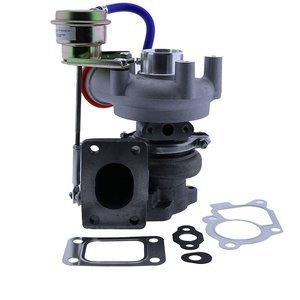
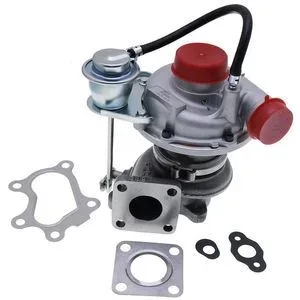
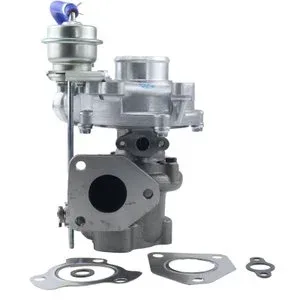
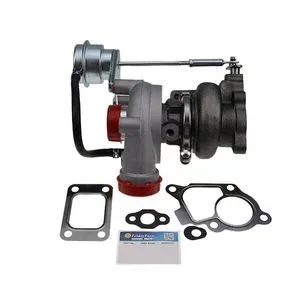
Matched System Kits — TD04L4 turbo paired with intake, oil feed, and exhaust gaskets so the C3.3B rebuild addresses the fault, not just the failed component.
Technical Specifications
| Parameter |
Value |
| Part Number |
436-1920 |
| Product Type |
Turbocharger |
| Cross-Reference |
436-1920, CA436-192, 436-192, 436192 (for identification purposes only) |
| Machine Fitment |
308, 308.5, 308E2 CR, 308E2 SR, 309, 310, 236D, 236D3, 242D, 242D3, 246D, 246D3, 257D, 257D3, 259D, 259D3, 262D, 262D3, 277D, 279D, 279D3, 287D, 289D, 289D3, AP300F, AP355F, 906M, 907M, 908M |
| Turbo Model |
TD04L4, TD04L4-09TK3-5.0 |
| Engine Fitment |
C3.3B |
| Condition |
New Aftermarket |
| Turbine Wheel Material |
Forged steel |
| Housing Coating |
Ceramic-coated |
| Bearing Type |
Journal bearing with hardened bronze bushings |
| Dimensional Tolerance |
±0.02 mm |
| Standards |
ISO 9001, ISO 8573-1 Class 2, SAE J1995 |
Application Suitability
| Engine System |
Related Components |
| Intake and Boost |
Turbocharger, intake manifold gaskets, air filter, boost pressure sensor |
| Lubrication Supply |
Oil feed line, oil drain tube, oil filter, crankcase breather |
| Exhaust and Emission |
Exhaust manifold gasket, downpipe clamp, EGR cooler (where fitted) |
| Top-End Overhaul |
Cylinder head gasket, valve stem seals, injector sleeve seals |
Why Replacing the Turbo Alone Invites a Repeat Failure on the C3.3B
A seized or damaged turbo is the symptom; the root cause usually lives upstream in the oil feed or intake loop.
I have watched TD04L4 turbos fail on compact loaders and excavators within weeks of a fresh swap. The pattern is nearly always the same: a clogged oil feed screen starves the journal bearing, or a split intake hose lets abrasive dust into the compressor wheel. The new turbo goes onto the engine while the fault that killed the last one remains untouched [NEED_CITE: common root causes of turbocharger failure in diesel off-highway engines]. An engine rebuild that covers only the turbo itself leaves the shop exposed to a comeback. Addressing the Turbocharger 436-1920 engine rebuild as a system job means replacing the gaskets, verifying oil supply cleanliness, and confirming the air filtration path is intact before the unit sees its first hour of boost.
The Intake and Oil Loop That Decides Turbo Life
The TD04L4 on the C3.3B sits at the junction of three circuits: pressurized oil supply, crankcase vapor return, and filtered intake air. A Turbocharger 436-1920 engine rebuild that ignores any one of these circuits is incomplete. Matched intake and exhaust gaskets seal the flanges to the correct torque spec, preventing the air leaks that skew air-fuel ratio and drive exhaust gas temperatures past safe limits. Oil feed lines must be flushed or replaced, because carbonized residue from the previous failure will score the new journal bearing surfaces within the first operating cycle.

Matching Gaskets, Lines, and Filters to the Rebuild Scope
Every C3.3B variant across the skid steer, compact track loader, and mini excavator platforms shares the same base turbo architecture but may differ in oil port orientation and compressor housing clocking. Confirming the exact engine serial before ordering ensures the replacement drops in without adapter plates or clocking adjustments. The gasket set must cover the turbine inlet flange, oil feed banjo, oil drain flange, and compressor outlet, because reusing any of these seals risks a boost leak or oil weep that mimics turbo failure. Air filter replacement is non-negotiable; a filter that passed a visual inspection may still pass enough sub-micron dust to erode compressor blades progressively [NEED_CITE: air filtration efficiency standards for turbocharged diesel engines in dusty environments].
Reading the Specifications That Matter at Rebuild Time
The forged steel turbine wheel handles the thermal cycling typical of quarry loading and demolition work, where exhaust temperatures swing rapidly between idle and full-load operation. Ceramic-coated housing surfaces resist the carbon adhesion that gradually narrows the turbine scroll and reduces boost response. Journal bearings with hardened bronze bushings depend entirely on clean oil at stable pressure, which is why the oil feed circuit must be verified before the turbo is mounted. The ±0.02 mm dimensional tolerance on mating surfaces means the manifold flange and block face must be checked flat, because even minor warping from a previous overheat event will prevent a leak-free seal.
What a Missed Root Cause Costs the Shop
Sending a machine back out with a new turbo and the same contaminated oil feed line almost guarantees a return visit. The journal bearing fails first, then the shaft play destroys the compressor wheel, and the engine ingests metal fragments that travel downstream into the intercooler and intake manifold [NEED_CITE: secondary damage from turbocharger shaft failure in diesel engines]. The repair bill then expands from a turbo swap to a full top-end teardown, intake cleaning, and possible injector replacement. Shops that treat the Turbocharger 436-1920 engine rebuild as a system-level job avoid this cascade and protect their reputation with the equipment owner.
Why Engine Rebuild Shops Source This Turbo Here
Our own production lines and qualified sourced partners carry the same quality inspection and warranty terms, so a TD04L4 turbo ships under one accountable supply chain. Eight product categories mean the gasket set, oil feed line, air filter, and boost sensor can all consolidate under a single account and a single dispatch. Orders start from one piece, so a shop verifying fitment on an unfamiliar C3.3B variant can order a sample before committing to shelf stock. Part identification works from a part number, machine model, photograph of the nameplate, or a shot of the old turbo flange. Cross-reference verification covers superseded numbers and alternate references, reducing the risk of a wrong-clocking unit arriving on the bench. A technical team confirms compatibility and dimensional grade before the order is released.
Documentation & Verification
- Commercial invoice and packing list referencing 436-1920 and engine serial
- Cross-reference sheet listing CA436-192 and 436-192 as interchange reference only
- Dimensional inspection record covering flange flatness and oil port alignment
- Warranty terms stating six-month coverage against manufacturing defects
- Packing photographs showing turbo orientation and protective caps on ports
- HS code and customs classification support for international engine parts shipments
Installation & Rebuild Sequence
- Verify C3.3B engine serial to confirm oil port orientation matches the TD04L4 housing
- Flush oil feed and drain lines or replace them to remove carbon residue from the previous unit
- Install new intake and exhaust manifold gaskets with correct torque sequence
- Pre-lube journal bearings with clean engine oil before the first cranking cycle
- Run the engine at idle and check boost pressure and oil weep at all flange joints
- Monitor exhaust gas temperature during the first hour to confirm correct air-fuel ratio
Requesting a Fitment-Confirmed Quote
Provide the engine serial number, machine model, and any available rebuild history so the correct turbo clocking and gasket set are confirmed. Photographs of the old turbo nameplate and oil port orientation speed up identification when part numbers are worn or painted over. Shops planning shelf stock for multiple C3.3B platforms can request a sample unit for bench-fitment verification before placing a bulk order.
Frequently Asked Questions
Q: What gaskets and seals should be replaced together with the turbo?
A: The complete set includes the turbine inlet flange gasket, compressor outlet seal, oil feed banjo washer, and oil drain flange gasket. Reusing any of these after a previous turbo failure risks boost leaks or oil weeps that mimic a defective new unit. We supply matched gasket kits alongside the turbo so the rebuild covers every sealing point.
Q: How do I confirm whether my C3.3B variant uses this turbo clocking?
A: Provide the engine serial number and machine model. The C3.3B across skid steer, compact track loader, and mini excavator platforms may differ in oil port orientation and compressor housing clocking. Our technical team cross-references the serial against build records and sends a fitment confirmation before dispatch.
Q: Do I need to inspect oil feed lines before installing a replacement turbo?
A: Yes. Carbon buildup or debris from the failed turbo will score the journal bearings of the new unit within the first operating hours. Flush the oil feed and drain lines with solvent, or replace them outright. Confirm clean oil flow at the banjo fitting before mounting the replacement turbocharger.
Q: Is the air filter part of the recommended rebuild kit?
A: A new air filter is strongly recommended. A used filter may appear clean but still pass sub-micron dust that erodes compressor blades progressively. We include the correct air filter in the turbo-plus-gasket bundle so the entire intake loop is addressed in one order.
Q: Can I get a sample turbo to verify fitment before ordering for the shop?
A: Yes. We supply single-piece samples so you can bench-fit the unit against the C3.3B block, confirm oil port orientation, and verify flange alignment before committing to a bulk order. Sample lead time and dispatch details are confirmed at inquiry.