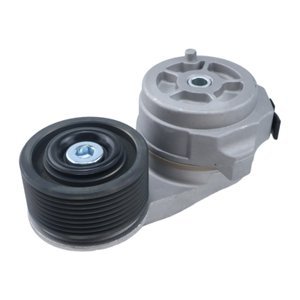
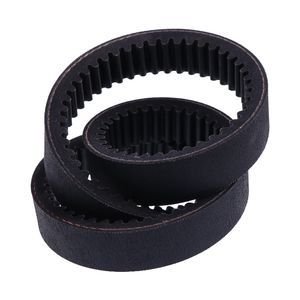
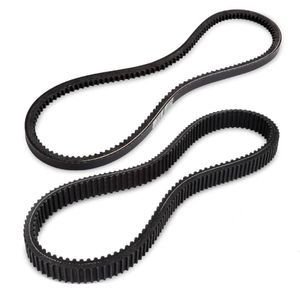
Matched-Set Dispatch — Every belt, pulley, spring, and fastener in this assembly ships verified as a single kit against the engine build sheet.
Technical Specifications
| Parameter |
Value |
| Part Number |
7257359 |
| Product Type |
Belt Tensioner |
| Cross-Reference |
3GM12110, 59CM835, 7CM12140, 7273503, 7196910, 7201887, 7273604, 6564692, 7152658, 53DM12, 7167165, 7274780, 7145358 (reference only) |
| Machine Fitment |
Bobcat S510, S530, S550, S560, S570, S590, S595, T550, T590, T595 |
| Material |
EPDM with Aramid Fiber Reinforcement |
| Assembly State |
New Aftermarket |
| Kit Contents |
Drive Belt, Bolt, Bracket, Bushing, Counterweight, Gasket, Nut, Pulley, Rocker Arm, Spring |
| Warranty |
3-12 months against manufacturing defects |
| Quality Standard |
ISO 9001 |
Application Suitability
| Engine System |
Related Components |
| Accessory Belt Drive |
Alternator mounting brackets, idler pulleys, serpentine routing guides |
| Front Engine Cover Service |
Front crankshaft seal, cover gasket set, timing cover fasteners |
| Cooling System Interface |
Water pump pulley alignment, fan hub bearing, thermostat housing |
| Scheduled Overhaul Refresh |
Complete engine gasket kit, main bearings, piston ring sets |
Why Replacing Only the Belt Guarantees a Callback
A Belt Tensioner Assembly engine replacement addresses the entire load path, not just the visible rubber. When a worn tensioner pulley or fatigued spring is left in place, the new belt absorbs the misalignment and fails prematurely. [NEED_CITE: accessory belt drive system failure modes in skid steer loaders]
The failure lives in the system, not the single component.
I have pulled tensioners off Bobcat S590 units in Riyadh where the previous mechanic swapped only the belt. Three weeks later, the machine was back down with shredded belt cords and a scored pulley face. The root cause was a seized bushing in the rocker arm that nobody inspected. A matched kit eliminates that diagnostic gap by forcing the entire wear interface to be renewed at once.

The Belt Drive as a System, Not a Spare Part
The accessory drive on these Bobcat loaders transmits crankshaft torque to the alternator, water pump, and hydraulic pump drives. A Belt Tensioner Assembly engine replacement sits at the center of that load network. If the spring force has degraded or the pulley bearing has developed radial play, the belt slips under peak hydraulic demand — which is exactly when the machine needs full accessory output. Treating this as a system-level service event means inspecting every driven component for bearing play and alignment before the new kit goes on.
Engine Serial Variants and Overbuild History
Bobcat loaders in the S510 through S595 range were built across multiple engine generations, and the tensioner geometry changed between early and late serial blocks. A unit that has been through a previous overhaul may also have non-standard clearances or aftermarket brackets that alter belt routing. [NEED_CITE: engine serial variant identification procedures for compact loader powerplants] Confirming the engine serial number and any rebuild history before ordering prevents receiving a kit whose bracket bolt pattern or pulley offset does not match the block in front of you. This is where cross-reference numbers like 7273503 or 7196910 can point to legitimate alternate assemblies — but only verification against the physical engine confirms which variant is correct.
Material Selection Under Thermal Load
The EPDM compound with aramid fiber reinforcement is specified for this application because the belt runs within inches of the exhaust manifold on these compact loader engine bays. EPDM resists heat aging and ozone cracking across the operating temperature envelope, while the aramid cords carry tensile load without stretching under the cyclic shock of hydraulic pump engagement. The precision-machined pulley maintains belt tracking under fluctuating loads — a stamped steel pulley with runout would walk the belt off-center within a few hundred hours. The included gasket seals the tensioner bracket mating surface to prevent oil ingress into the belt path, which is a common secondary failure when the front cover seal has been disturbed during prior service.
What Happens When the Kit Is Incomplete
Sending a machine back out with a new belt on a tired tensioner spring means the belt runs slack at low RPM and snaps under load. I have seen this pattern repeat on T590 track loaders working grading contracts — the operator blames the belt quality when the real issue is a spring that lost its rate after years of thermal cycling. [NEED_CITE: spring fatigue and tension decay in high-temperature engine compartments] An incomplete refresh also leaves the old bushing in the rocker arm, which may have worn an oval bore that allows the pulley to tilt under load. That tilt concentrates wear on one belt edge, and the belt sheds ribs until it jumps the pulley grooves entirely. The downtime cost of a second teardown dwarfs the price difference between a partial and complete kit.
Why This Supply Route Works for Rebuild Shops
Our own production lines and qualified sourced partners operate under one warranty and one quality protocol, so a tensioner kit sourced through this channel carries the same inspection standard regardless of which facility produced the individual components. The eight-category catalog means a rebuild shop ordering this assembly can add the front seal, gasket set, and bearing shells to the same consignment. [NEED_CITE: consolidated aftermarket supply chain benefits for engine overhaul facilities] Single-piece minimums mean a one-off emergency rebuild does not require committing to shelf stock. The Guangzhou warehouse holds common configurations for fast dispatch, and the technical team verifies engine serial compatibility and oversize grades before the kit ships.
Documentation & Verification
- Commercial invoice listing each kit component by line item for customs and receiving checks
- Cross-reference sheet mapping 7257359 to alternate numbers marked reference only
- Dimensional inspection record covering pulley runout, spring rate, and bracket bore
- Warranty terms covering manufacturing defects for 3 to 12 months post-installation
- Packing photographs documenting kit completeness before crate closure
- HS code and export documentation support for destination-country clearance
Installation & Rebuild Sequence
- Clean the front cover mating surface and inspect for warpage before bracket mounting
- Verify pulley alignment with adjacent driven accessories using a straight-edge check
- Torque bracket and rocker arm fasteners to the engine service manual specification
- Route the EPDM belt per the factory diagram and confirm spring engagement under load
- Run the engine at idle for a warm-up cycle and recheck belt tracking and tension
Requesting the Correct Assembly
Provide the engine model, serial number, and any known overhaul history so we can confirm which tensioner variant matches your block. If the nameplate is unreadable, send a photograph of the existing bracket bolt pattern and pulley offset. We will cross-check against the reference numbers and return a confirmed fitment before the kit ships.
Frequently Asked Questions
Q: What exactly ships in the tensioner assembly kit and will it match my engine build?
A: The kit includes the drive belt, pulley, bracket, spring, bushing, rocker arm, counterweight, gasket, and all mounting fasteners. Each kit is verified against the engine serial number you provide, so the bracket pattern and pulley offset match the specific block variant in your machine.
Q: Should I replace just the belt or the full tensioner assembly during engine service?
A: Replacing the belt alone on a fatigued tensioner leads to repeat failure because the spring, bushing, and pulley bearing all degrade on a similar timeline. The full assembly renewal ensures every wear interface in the belt drive system is refreshed together, eliminating premature comebacks.
Q: How do engine serial variants affect which tensioner assembly fits my loader?
A: Bobcat loaders in this model range span multiple engine generations with different bracket geometries and pulley offsets. Providing your engine serial number allows us to confirm which assembly variant is correct and avoid shipping a kit whose bolt pattern or belt routing does not match your block.
Q: What other engine components should I inspect when replacing the belt drive system?
A: Check the front crankshaft seal, water pump bearing play, alternator bracket condition, and fan hub for radial movement. Any worn component in the accessory drive network will load the new belt unevenly and shorten its service life, so address adjacent faults during the same service event.
Q: How do I confirm the correct reference number when multiple cross-references are listed?
A: The cross-reference numbers listed for identification purposes cover alternate part numbers assigned across production years and superseded revisions. Send your existing part number or a photograph of the old assembly, and we will verify which reference maps to the exact variant your engine requires.