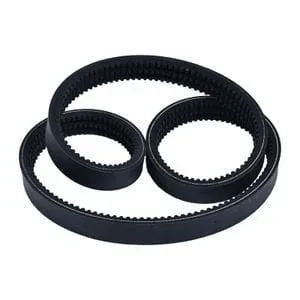
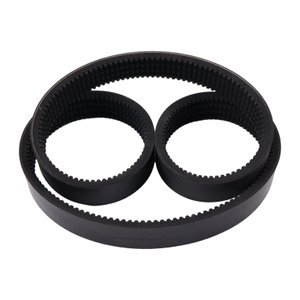
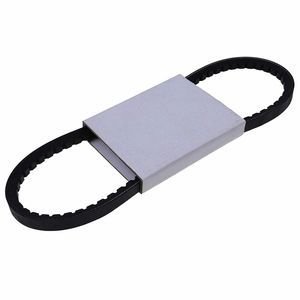
Matched Set Dispatch — belt length and groove profile verified against Bobcat loader engine serial variants before shipment.
Technical Specifications
| Parameter |
Value |
| Part Number |
6726898 |
| Product Type |
Belt |
| Cross-Reference |
6726898 (reference only) |
| Machine Fitment |
Bobcat 753, 763, 773, S130, S150, S160, S175, S185, S205, T140, T180, T190 |
| Design Type |
Flat, cogged drive belt with 3 grooves |
| Length |
57.4 inches (1458 mm) |
| Width |
1.19 inches (30.2 mm) |
| Material |
Fiber-loaded backing with additional cord support |
| Condition |
New Aftermarket |
| Warranty |
3–12 months against manufacturing defects |
| Quality Standard |
ISO 9001 |
Application Suitability
| Engine System |
Related Components |
| Engine-driven hydraulic pump drive |
Hydraulic pump mounting flange, drive pulley, tensioner assembly |
| Auxiliary front-end accessory drive |
Idler pulley, crankshaft pulley, water pump pulley |
| Torque transfer under cyclic loading |
Pump shaft bearing, pulley alignment hardware, belt guard |
| Scheduled overhaul belt service |
Complete seal kit for hydraulic pump, adjacent gaskets and O-rings |
Why Replaced Drive Pump Belts Fail Again Within Weeks
The failed belt is usually the symptom, not the cause.
When a drive pump belt breaks or slips shortly after installation on a Bobcat skid steer or track loader, the root fault typically sits in the adjacent driveline. I have seen machines returned to the teardown bench three times before anyone measured the pulley runout or checked the hydraulic pump shaft bearing for axial play. A worn pump bearing allows the shaft to orbit, forcing the belt to track off-center until it rides the pulley flange and shreds the cord. Replacing the belt without addressing that bearing is simply paying for a second failure [NEED_CITE: engine accessory drive failure root cause analysis for mobile hydraulic equipment].
A Drive Pump Belt engine rebuild replacement must therefore be spec'd alongside the components it physically contacts. The cogged profile transfers torque to a hydraulic pump that operates under high cyclic loading at construction and demolition sites. If the tensioner spring has lost its calibrated force, the belt will slip on startup when hydraulic system pressure is highest — generating heat, accelerating wear, and producing the squeal that operators report before the machine goes down.

The Hydraulic Pump Drive System and Its Adjacent Wear Points
This drive pump belt sits at the front of the Bobcat engine assembly, wrapping around the crankshaft pulley and the hydraulic pump drive pulley to transfer rotational force directly into hydraulic output. In the machines listed — from the 753 through the T190 — the belt condition directly governs hydraulic system pressure stability and the responsiveness of loader functions. When planning a Drive Pump Belt engine rebuild replacement, the adjacent idler, tensioner arm, and pump shaft seal should all be on the same overhaul line item [NEED_CITE: Bobcat loader hydraulic pump drive maintenance intervals].
What Engine Serial Variants Mean for Belt Fitment
Across the Bobcat S-series and T-series loaders, engine serial ranges shifted over production years, and pulley diameters changed accordingly. A belt specified by length and groove count may appear correct on paper yet sit too loose or too tight on a machine built at the boundary between two engine builds. Confirming the engine serial number — not just the loader model — prevents ordering a belt that physically fits the pulley but operates outside its designed tension window. This verification matters most when replacing an entire belt-drive set during an overhaul, where mismatched tension across multiple belts accelerates individual failure.
Reading the Specification Against the Duty Cycle
The 57.4-inch length and 1.19-inch width define the belt's contact patch on the pulley. The flat, cogged design with three grooves increases surface grip and allows the belt to flex around smaller-diameter pulleys without the cracking that solid-back belts develop under heat. The fiber-loaded backing with additional cord support resists the tensile fatigue that cyclic start-stop operation imposes — every time a Bobcat loader cycles its hydraulic functions under load, the belt absorbs a torque spike. At quarry and demolition sites where abrasive dust infiltrates the engine bay, the cog profile also sheds debris more effectively than a smooth V-belt, reducing the grit-induced wear that shortens service intervals.
The Hidden Cost of Skipping the Root-Cause Check
Sending a machine back to the jobsite with only a new belt — and the same worn tensioner, glazed pulley, or loose pump bearing — guarantees a repeat visit. Each return tears down labor hours already billed, extends the machine's downtime into a second week, and erodes the shop's credibility with the fleet operator. A belt that fails early almost always leaves forensic evidence: uneven wear on one edge points to pulley misalignment, heat discoloration along the back signals chronic slippage, and separated cords near the splice indicate shock loading from a sticking hydraulic valve. Reading these clues before ordering the replacement avoids paying for the same repair twice [NEED_CITE: belt wear pattern diagnostics for hydraulic drive systems].
Why Source This Belt Through Our Engine System Desk
Our production lines and qualified sourced supply operate under one warranty and one quality standard, so a drive pump belt ordered alongside a hydraulic pump seal kit ships from the same inspection checkpoint. We stock across eight categories, meaning a complete overhaul list — belts, seals, gaskets, bearings — consolidates into a single consignment rather than arriving in mismatched batches. Part identification runs from a stamped number, a machine model, or a photograph of a worn nameplate. Cross-reference verification covers superseded part numbers that earlier catalogs may not reflect. A sample can ship ahead of a bulk order so your teardown team confirms fitment on the bench before committing a fleet quantity.
Documentation & Verification
- Commercial invoice itemizing belt part number, quantity, and matched components in same shipment
- Cross-reference sheet listing OEM interchange numbers (reference only) and verified Bobcat model coverage
- Dimensional inspection record confirming belt length, width, and groove count before dispatch
- Warranty terms covering manufacturing defects for 3 to 12 months from receipt
- Packing photographs documenting belt condition and protective wrapping before crate closure
- HS code and customs documentation support for international shipment
Installation & Rebuild Sequence
- Clean all pulley grooves with solvent and inspect for scoring before routing the new belt.
- Check hydraulic pump shaft bearing for axial and radial play; replace if movement exceeds specification.
- Route the belt following the factory diagram; confirm full seating in all three grooves before applying tension.
- Set tensioner to the calibrated value and verify deflection at the longest unsupported span.
- Run the engine at idle for a break-in period, then re-check tension after thermal expansion stabilizes.
- Log belt tension and pulley alignment readings for the machine's next scheduled service interval.
Request a System-Matched Quote
Provide your Bobcat loader model, engine serial number, and any known rebuild history so we can confirm the correct belt specification and flag adjacent components that should ship in the same overhaul package.
Frequently Asked Questions
Q: What other components should be replaced when servicing the drive pump belt?
A: The tensioner assembly, idler pulley, and hydraulic pump shaft seal should all be inspected and typically replaced at the same time. A worn tensioner cannot maintain calibrated force, and a leaking pump seal contaminates the new belt surface. Replacing these together during a Drive Pump Belt engine rebuild replacement prevents a second teardown within weeks.
Q: How do engine serial variants within the same Bobcat model affect belt fitment?
A: Bobcat shifted engine suppliers and pulley sizes across production years for the same loader model. Two S175 machines may require different belt lengths depending on the engine serial range. Providing the engine serial number — not just the loader model — ensures the correct 57.4-inch or alternate specification ships.
Q: What system-level faults commonly cause premature belt failure beyond the belt itself?
A: Pulley misalignment, worn hydraulic pump bearings allowing shaft orbit, and degraded tensioner springs all load the belt unevenly. Abrasive dust ingress at quarry sites accelerates groove wear. Diagnosing these faults before installing a replacement belt avoids the repeat failure cycle that costs additional downtime and labor [NEED_CITE: premature belt failure root causes in mobile equipment].
Q: Can a sample be supplied for fitment confirmation before bulk ordering?
A: Yes. A single drive pump belt can ship as a fitment sample so your rebuild team verifies groove engagement, length, and pulley contact on the bench before a fleet-quantity order is placed. This step is recommended when replacing belts across multiple machines of the same model series.
Q: How do I verify the correct belt when the existing part number is worn off?
A: Send a photograph of the worn belt showing groove count, approximate width, and the pulleys it wraps around, along with the Bobcat machine model and engine serial number. We cross-reference against the verified fitment list and confirm the correct specification before shipping.